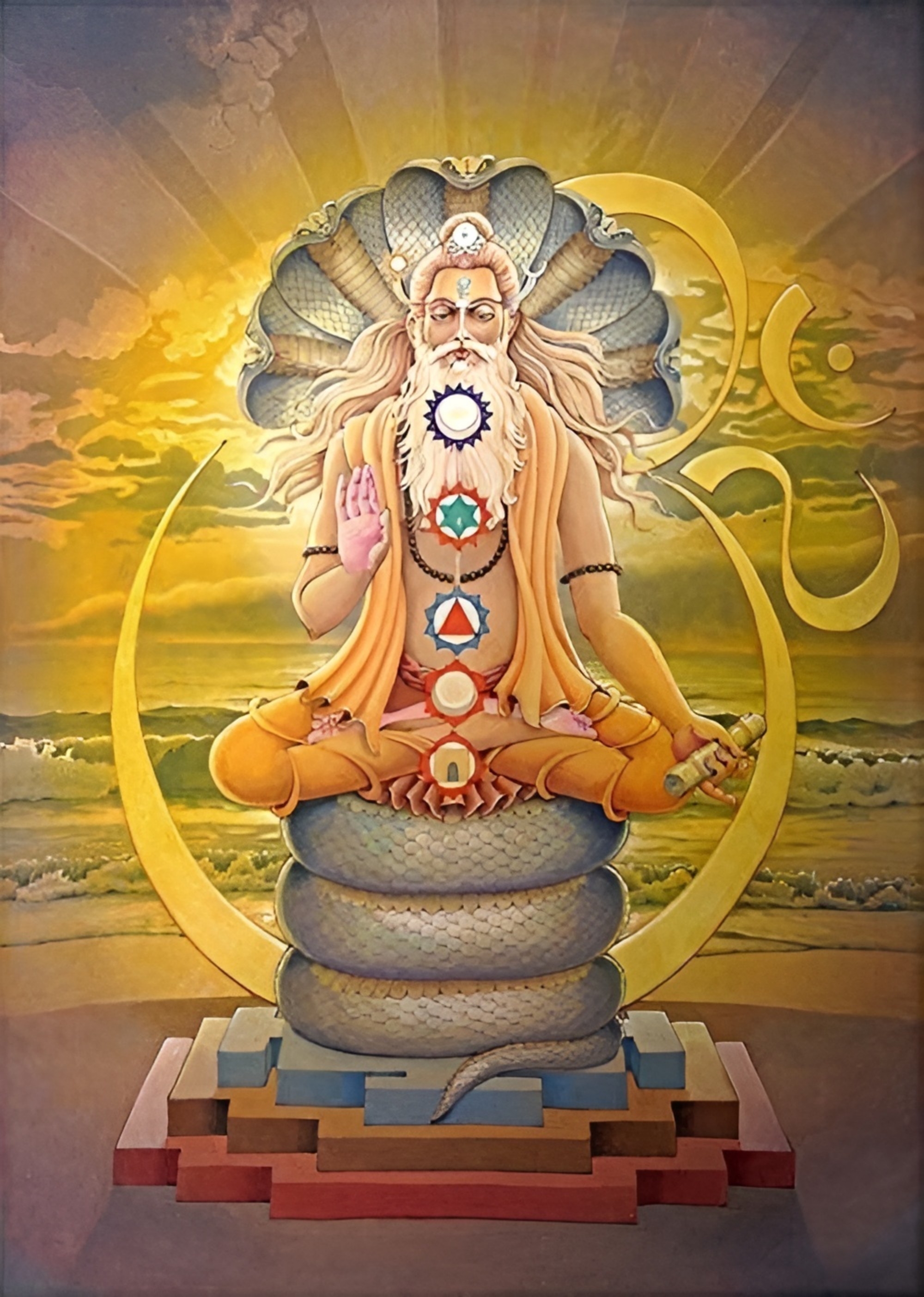
Unveiling the Inner Landscape: The Journey Beyond Obstacles
Patanjali's profound assertion, "From this comes the realization of the inner self and the removal of obstacles," invites us to explore the intricate relationship between self-awareness and the barriers that hinder our spiritual growth. At its core, this quote emphasizes that true understanding of oneself is not merely an intellectual exercise but a transformative journey that clears the path to deeper realization. The stakes are high; without this inner clarity, we remain ensnared by the very obstacles we seek to transcend, perpetuating cycles of confusion and suffering.
Delving deeper, we find that Patanjali's words resonate with the essence of yoga itself—a discipline that encourages us to peel back the layers of our conditioned existence. The realization of the inner self is not a destination but a continuous unfolding, a process that requires both courage and commitment. As we engage with our inner landscape, we begin to identify and dismantle the obstacles that obscure our true nature, ultimately leading us toward a more authentic and liberated existence.
The image / the metaphor
The imagery in Patanjali's quote evokes a sense of journeying inward, where the "inner self" serves as both a destination and a guiding light. The verbs "realization" and "removal" suggest an active engagement with our inner world, highlighting that this process is not passive. Instead, it requires us to confront the obstacles—be they fears, attachments, or misconceptions—that cloud our perception and inhibit our growth. The felt sense of this journey is one of liberation, as we gradually shed the weight of these burdens and step into a more expansive understanding of who we are.
Metaphorically, the "inner self" can be likened to a hidden treasure buried beneath layers of sediment. Each obstacle represents a layer that must be excavated, revealing the brilliance of our true essence. This excavation is not merely about removing barriers; it is also about nurturing the soil of our being, allowing the seeds of potential to flourish. In this light, the journey becomes a sacred act of both discovery and cultivation, where the realization of the inner self is intertwined with the ongoing process of personal growth.
In the speaker's tradition
Patanjali's teachings are deeply rooted in the tradition of yoga, which encompasses a holistic approach to self-realization. Central to this tradition is the concept of dharma, or one's rightful path, which aligns closely with the realization of the inner self. As we navigate our unique journeys, we encounter various obstacles that challenge our understanding of dharma, compelling us to engage in practices that foster clarity and insight. This interplay between self-awareness and the removal of obstacles is echoed in other spiritual traditions, such as the Buddhist notions of sunyata (emptiness) and prajna (wisdom), which emphasize the importance of transcending illusions to uncover the true nature of reality.
In the Yoga Sutras, Patanjali outlines a systematic approach to achieving this realization through the eight limbs of yoga, which serve as a guide for overcoming obstacles. The practice of meditation, for instance, is a vital tool for cultivating inner awareness and clarity. By quieting the mind and turning our attention inward, we can begin to discern the patterns that obstruct our path, ultimately leading us toward a deeper understanding of our true selves. This process of kenosis, or self-emptying, allows us to release attachments and embrace the fullness of our being.
Living the teaching
Consider a modern scenario where an individual grapples with self-doubt in their professional life. This person may feel trapped by the obstacles of fear and insecurity, which prevent them from pursuing their true passions. By engaging with Patanjali's teaching, they can begin to explore the roots of these feelings, perhaps through journaling or meditation, allowing them to confront and dismantle the barriers that hold them back. As they cultivate a deeper awareness of their inner self, they may find the courage to take bold steps toward their aspirations, transforming their relationship with both their work and themselves.
In the context of relationships, the realization of the inner self can also play a pivotal role. Imagine two partners who struggle with communication, often allowing misunderstandings to create distance between them. By applying Patanjali's insights, each individual can embark on a journey of self-exploration, identifying the fears and insecurities that contribute to their difficulties. As they work to remove these obstacles, they may discover a newfound capacity for empathy and understanding, ultimately fostering a deeper connection and enriching their relationship.
A reflection
As we contemplate Patanjali's wisdom, we are invited to reflect on our own inner landscapes. What obstacles do we encounter in our pursuit of self-realization, and how might we begin to dismantle them? In this moment of inquiry, we can ask ourselves: "What is one belief or fear that stands between me and my true self, and how can I begin to address it?" This question serves as a catalyst for deeper exploration, guiding us toward the transformative journey of uncovering our authentic selves.


