The Return to Source: Understanding Liberation Through the Gunas
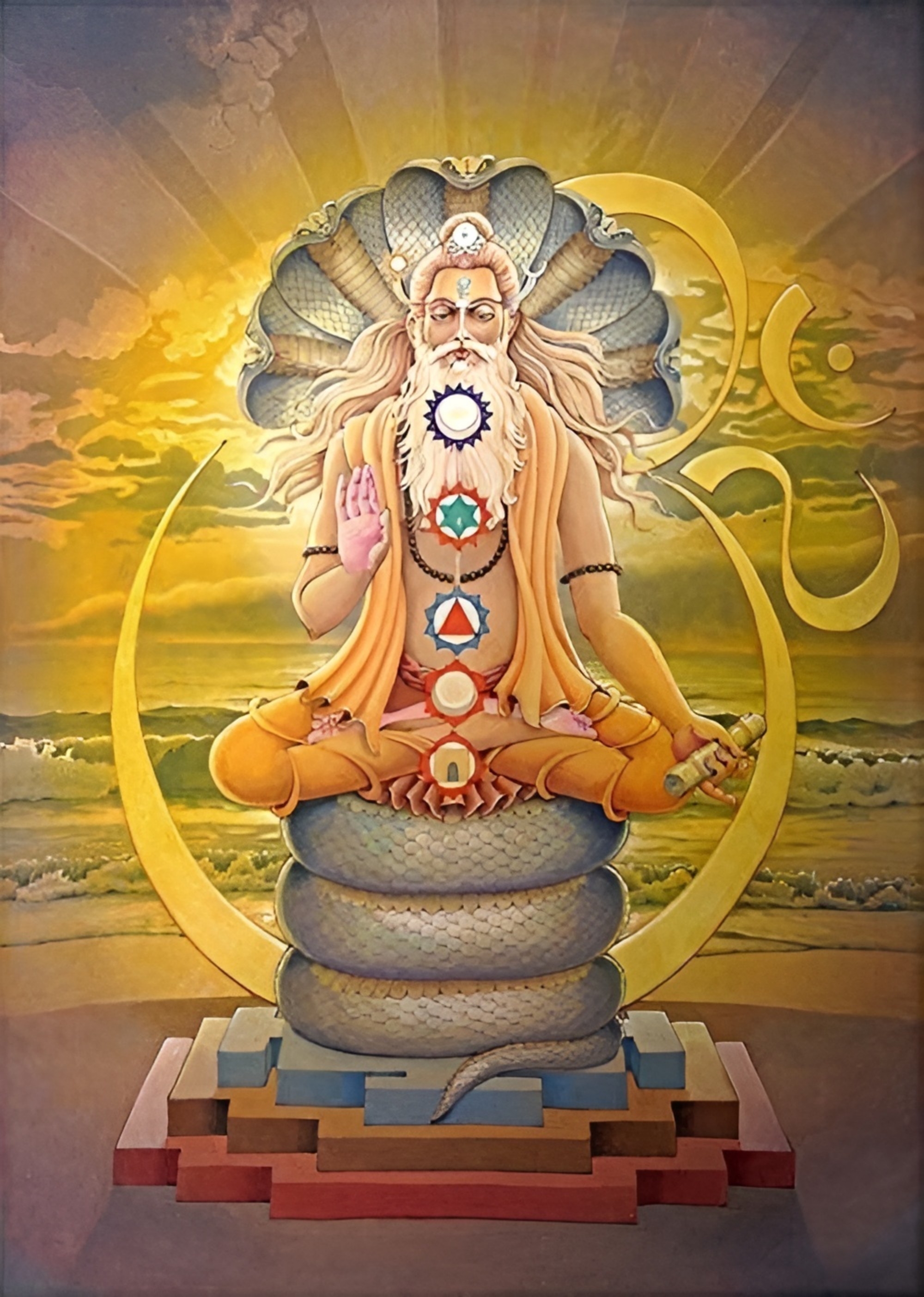
Patanjali's profound assertion, "Liberation is when the gunas — having served their purpose — return to their source," invites us into a contemplative exploration of the nature of existence and the journey toward spiritual freedom. In this statement, the gunas, or qualities of nature, are seen as transient forces that shape our experiences and perceptions. Their eventual return to their source signifies a release from the cycles of attachment and suffering, a theme that resonates deeply within the practice of yoga and the quest for liberation.
This quote encapsulates the essence of yoga philosophy, where the interplay of the gunas—sattva (purity), rajas (activity), and tamas (inertia)—influences our thoughts, emotions, and actions. Understanding this dynamic is crucial for anyone seeking to transcend the limitations imposed by these qualities. By recognizing the gunas as tools for growth rather than permanent fixtures of our identity, we can begin to navigate our lives with greater awareness and intention, ultimately leading us back to our true nature.
The image / the metaphor
The imagery in Patanjali's quote evokes a sense of cyclical movement and transformation. The gunas, likened to the elements of nature, serve a purpose in our lives, shaping our experiences and guiding our actions. The verbs "serve" and "return" suggest a journey, one that is both purposeful and inevitable. This return to source implies a relinquishing of the ego and the transient attachments that bind us, allowing for a reconnection with the essence of our being.
Diving deeper into the metaphor, we can see the gunas as both teachers and obstacles on our path. They are the forces that challenge us to grow, to confront our desires and fears, yet they also represent the distractions that can lead us away from our true selves. The return to source is not merely a passive act; it requires active engagement with these qualities, a conscious decision to let go of what no longer serves us and to embrace the stillness that lies beyond the fluctuations of the mind.
In the speaker's tradition
Patanjali's teachings are rooted in the rich tradition of yoga, which emphasizes the importance of understanding the self in relation to the universe. The concept of dharma, or one's duty, plays a crucial role in this framework, as it guides individuals in aligning their actions with their true nature. The idea of kenosis, or self-emptying, resonates here as well, suggesting that liberation involves a shedding of the self to make space for the divine essence within. This interplay of self and source is echoed in various spiritual traditions, including the Buddhist notions of sunyata (emptiness) and the Sufi concept of fana (annihilation of the self).
In the Yoga Sutras, Patanjali emphasizes the importance of discernment (prajna) in navigating the complexities of life. This discernment allows practitioners to recognize the impermanent nature of the gunas and to cultivate a deeper understanding of their true selves. The journey toward liberation is thus framed as a process of awakening to the reality of existence, where the return to source signifies not an end, but a profound beginning.
Living the teaching
Consider a modern scenario where the teaching of liberation through the gunas can be applied: a person caught in the relentless pursuit of success and validation in their career. This individual may find themselves driven by rajas, the quality of activity, leading to burnout and dissatisfaction. By recognizing this pattern and allowing the gunas to return to their source, they can step back, reflect on their true motivations, and realign their actions with their deeper values, ultimately finding a more fulfilling path.
In the context of relationships, the teaching can manifest in moments of conflict. When two individuals are caught in a cycle of blame and misunderstanding, they may be operating from the gunas of tamas and rajas, leading to inertia and chaos. By embracing the idea of liberation, they can choose to pause, reflect, and return to their source of love and compassion. This shift not only transforms their interaction but also deepens their connection, allowing for a more harmonious relationship grounded in mutual understanding.
A reflection
As we contemplate Patanjali's words, we are invited to reflect on our own lives: What attachments or patterns are we holding onto that no longer serve our growth? In what ways can we allow the gunas to return to their source, creating space for deeper understanding and liberation? This inquiry encourages us to engage with our experiences thoughtfully, fostering a sense of awareness that can lead us back to our true essence.


