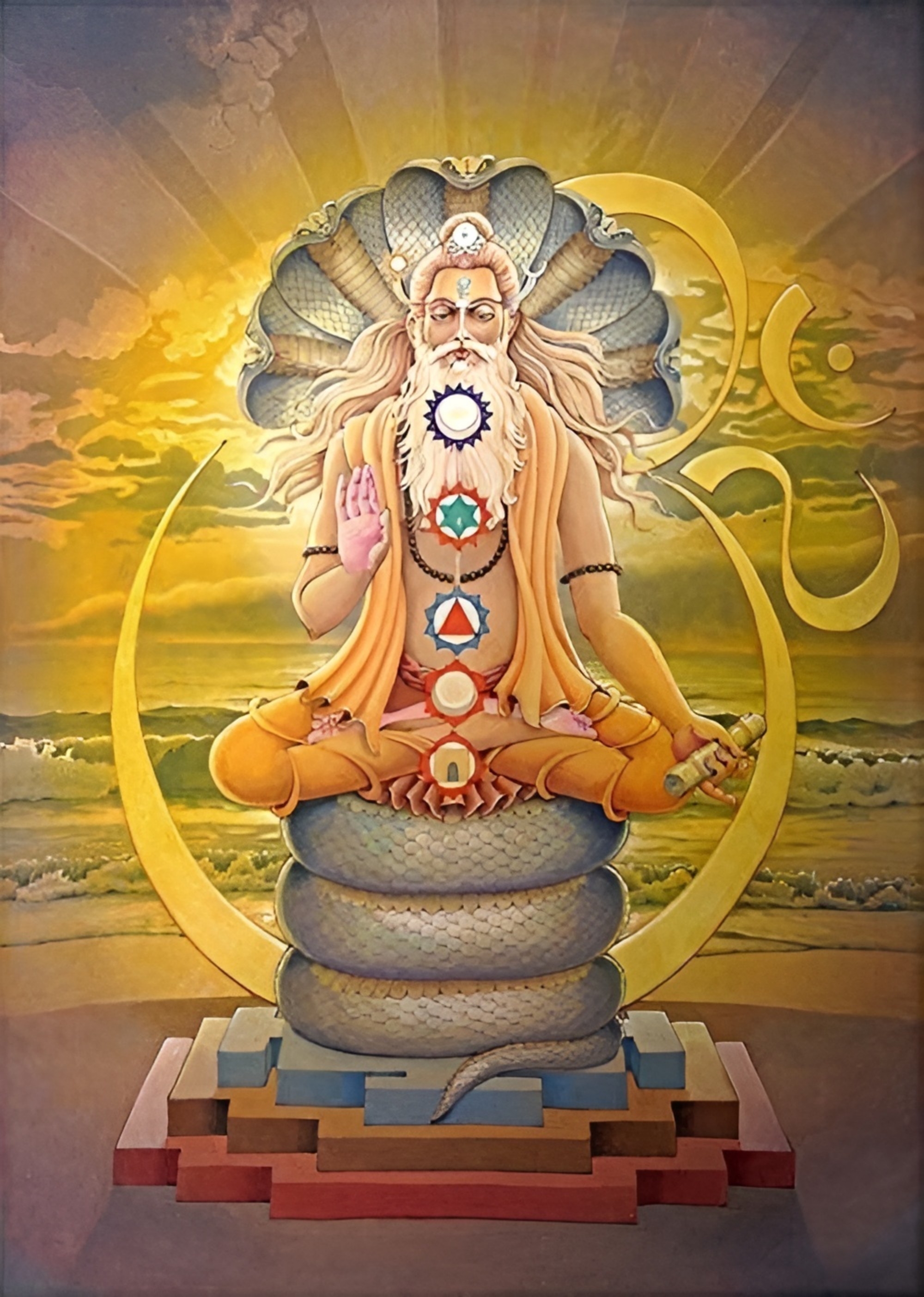
The Steadiness of Contemplation: Finding Calm Amidst Grief
Patanjali's assertion that "by the contemplation on objects which are not subject to grief, the mind becomes steady" invites us to explore the profound relationship between our thoughts and emotional states. In essence, he suggests that by focusing our attention on stable, untroubled aspects of existence, we can cultivate a steadiness within ourselves. This teaching is particularly relevant in a world often fraught with turmoil and uncertainty, where the mind can easily become a battleground of conflicting emotions.
In a deeper sense, Patanjali's words challenge us to consider the nature of our focus and its impact on our mental well-being. The practice of contemplation, as he describes, is not merely a passive observation but an active engagement with the essence of what is unchanging and serene. This invites us to reflect on the objects of our contemplation—are they transient and fleeting, or do they embody a deeper, more enduring truth? The stakes are high; our mental steadiness can influence our overall quality of life, shaping how we navigate challenges and interact with the world around us.
The image / the metaphor
Patanjali's quote conjures a vivid image of the mind as a vessel, capable of being filled with either turbulent waters or calm, clear reflections. The verbs "contemplation" and "becomes steady" suggest a dynamic process, where the act of focusing on stable objects transforms the mind's inherent nature. This imagery evokes a sense of agency; we are not merely passive recipients of our thoughts but active participants in shaping our mental landscape.
Diving deeper into the metaphor, we can see that the "objects which are not subject to grief" represent the eternal truths and principles that transcend the vicissitudes of life. These could be concepts such as love, compassion, or the interconnectedness of all beings. By anchoring our contemplation in these stable truths, we cultivate a mental environment that fosters resilience and peace, allowing us to weather the storms of grief and suffering with greater ease.
In the speaker's tradition
Patanjali's teachings are rooted in the ancient tradition of yoga, which emphasizes the importance of mental clarity and emotional stability as pathways to spiritual liberation. Concepts such as dharma, or righteous living, and prajna, or wisdom, are integral to this tradition. By aligning our contemplation with objects that embody these principles, we not only stabilize our minds but also align ourselves with the greater cosmic order, fostering a sense of purpose and direction in our lives.
Moreover, the notion of kenosis, or self-emptying, resonates with Patanjali's teaching. By letting go of attachments to transient objects that evoke grief, we create space for deeper understanding and connection to the eternal. This is echoed in the Yoga Sutras, where Patanjali emphasizes the importance of cultivating a mind that is free from distractions and disturbances, allowing for the realization of one's true nature.
Living the teaching
Consider a modern scenario where this teaching can be applied: a person grappling with the loss of a loved one. In the midst of grief, it can be challenging to find moments of peace. However, by consciously choosing to contemplate memories that evoke joy or the love shared with that person, rather than solely focusing on the pain of loss, one can begin to cultivate a steadiness that allows for healing. This practice of shifting focus can transform the experience of grief into a more balanced emotional journey.
Another application of this teaching might arise in the context of a difficult relationship. When faced with conflict, it is easy to become consumed by negative emotions and thoughts. By redirecting our contemplation toward the qualities we appreciate in the other person or the shared values that brought us together, we can foster a sense of steadiness that enables constructive dialogue and deeper understanding. This practice not only enhances our emotional resilience but also nurtures the relationship itself.
A reflection
As we reflect on Patanjali's profound insight, we are invited to consider: What are the objects of my contemplation, and do they contribute to my mental steadiness or lead me into turmoil? This question encourages us to examine our thought patterns and the nature of our focus, guiding us toward a more intentional and peaceful existence. In a world where grief and suffering are inevitable, the choice of what we contemplate can be a powerful tool for cultivating inner calm and resilience.


