The Art of Letting Go: Embracing Practice and Non-Attachment
Patanjali's assertion that "practice and non-attachment are the means to control these modifications" invites us to explore the intricate relationship between our mental fluctuations and our ability to cultivate a serene mind. In essence, he suggests that through dedicated practice and the relinquishment of attachment, we can navigate the tumultuous waters of our thoughts and emotions. This teaching holds profound significance in our modern lives, where distractions abound and the mind often feels like a chaotic storm.
Delving deeper, we recognize that Patanjali's wisdom is not merely a call to action but a profound invitation to transformation. The duality of practice and non-attachment serves as a guiding compass, leading us toward a state of inner peace and clarity. In a world that often equates self-worth with achievement and possession, this teaching challenges us to reconsider our relationship with both our desires and our efforts, urging us to find balance and harmony within ourselves.
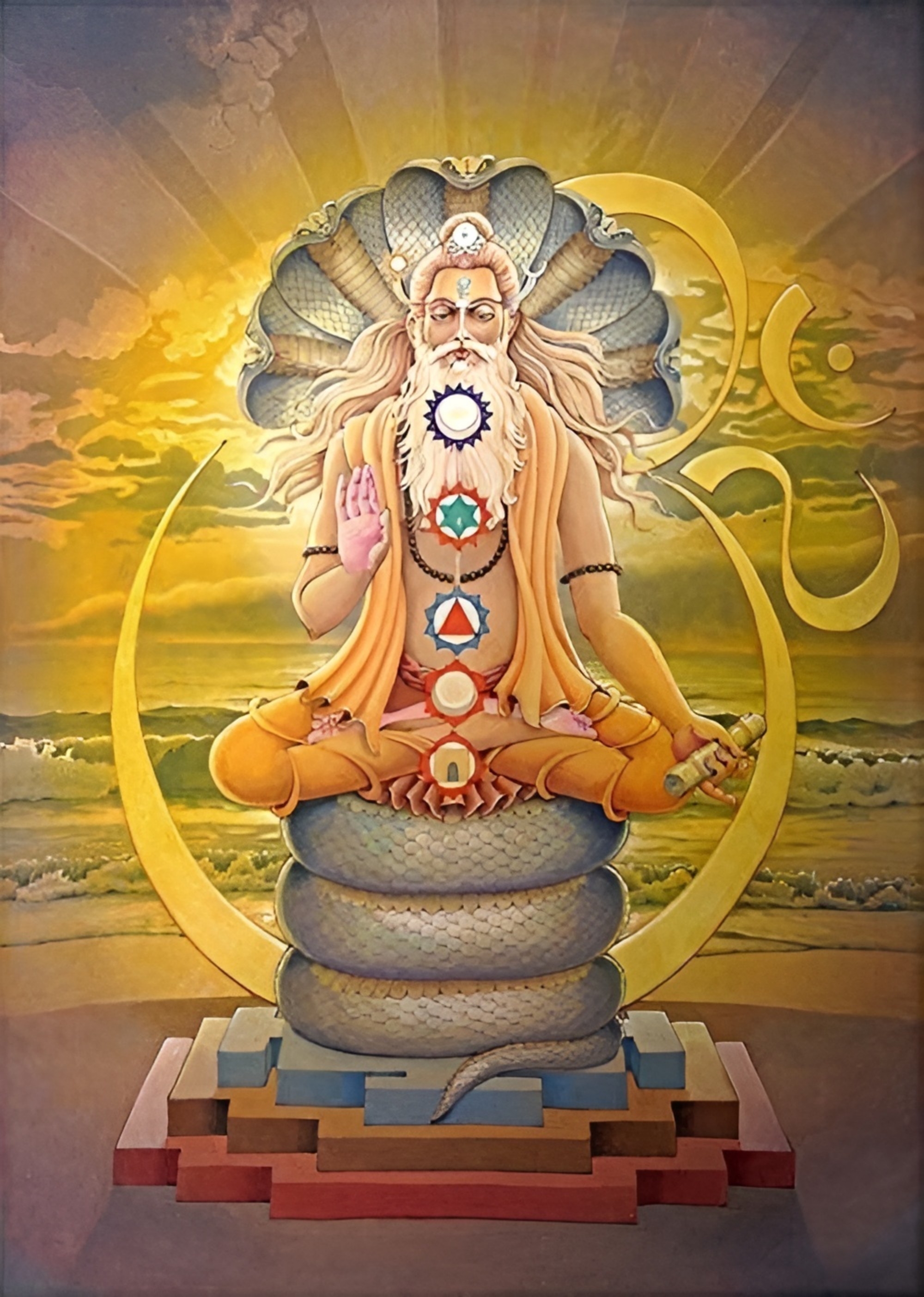
The image / the metaphor
The imagery within Patanjali's quote evokes a sense of dynamic interplay between action and surrender. "Practice" conjures visions of disciplined effort, a steady commitment to cultivating mindfulness and awareness. It suggests a rhythmic dance, where one engages actively with the mind, honing the ability to observe thoughts without becoming entangled in them. Conversely, "non-attachment" introduces a gentle release, a softening of the grip on outcomes and expectations, allowing for a more fluid experience of life.
As we explore this metaphor further, we can see how practice and non-attachment function as two wings of a bird, each necessary for flight. Without practice, we risk stagnation, remaining tethered to our habitual patterns of thought. Yet, without non-attachment, our efforts may become burdensome, weighed down by the desire for specific results. Together, they create a harmonious balance, enabling us to soar above the fluctuations of the mind and experience a deeper sense of freedom.
In the speaker's tradition
Patanjali's teachings are rooted in the rich tradition of yoga, which emphasizes the importance of self-discipline and the pursuit of inner truth. Concepts such as dharma, or one's rightful duty, and prajna, the wisdom that arises from deep understanding, resonate with the essence of his quote. In this context, practice becomes a means of aligning oneself with one's dharma, while non-attachment reflects the understanding that true fulfillment lies not in external validation but in the cultivation of inner peace.
Moreover, the Yoga Sutras themselves serve as a guide to navigating the complexities of the mind. In Sutra 1.2, Patanjali defines yoga as the cessation of the fluctuations of the mind. This foundational idea underscores the importance of both practice and non-attachment as essential tools for achieving this state of stillness. By engaging in consistent practice while simultaneously letting go of the need for specific outcomes, we can gradually quiet the mind and experience the profound stillness that lies beneath the surface.
Living the teaching
Consider a modern scenario where this teaching finds relevance: the workplace. In a fast-paced environment, the pressure to perform can lead to anxiety and stress. By applying Patanjali's wisdom, one might commit to a daily practice of mindfulness, such as meditation or focused breathing, to cultivate a sense of calm amidst the chaos. Simultaneously, embracing non-attachment to promotions or recognition allows for a more authentic engagement with one's work, fostering creativity and collaboration rather than competition and fear.
In the realm of relationships, the application of practice and non-attachment can be equally transformative. Imagine navigating a conflict with a loved one; the urge to cling to one's perspective can create tension and distance. By practicing active listening and empathy, one can remain present in the moment, while non-attachment to being "right" opens the door to deeper understanding and connection. This approach not only alleviates the weight of conflict but also nurtures a more compassionate and loving bond.
A reflection
As we contemplate Patanjali's profound insight, we are invited to reflect on our own lives: How can we cultivate a practice that nurtures our inner peace while simultaneously letting go of our attachments to outcomes? This question encourages us to explore the delicate balance between effort and surrender, prompting us to examine where we might be holding on too tightly or where we might benefit from a more disciplined approach. In this inquiry lies the potential for profound transformation and growth.


