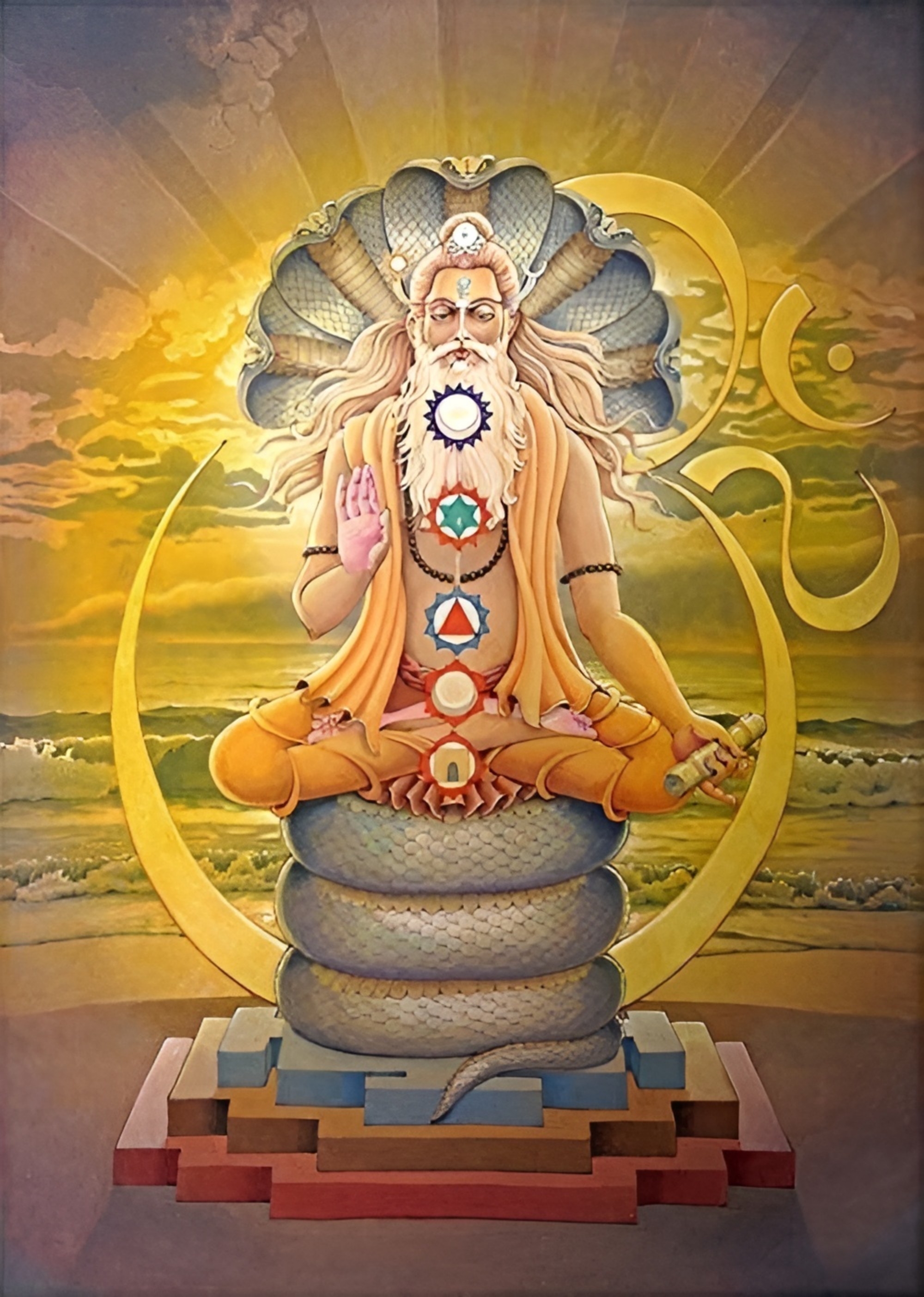
The Witness Within: Unveiling Pure Consciousness
Patanjali's assertion that "the seer is pure consciousness, witnessing the modifications of the mind" invites us to explore the profound nature of our inner experience. This quote encapsulates a fundamental aspect of yoga philosophy, emphasizing the distinction between the observer and the observed. In a world often dominated by the chaos of thoughts and emotions, understanding this relationship is crucial for cultivating a deeper sense of self-awareness and inner peace.
As we delve into this teaching, we recognize that the essence of our being transcends the fluctuations of the mind. The seer, or the witness, represents an unchanging consciousness that observes the myriad thoughts, feelings, and sensations that arise within us. This perspective not only empowers us to detach from the incessant chatter of the mind but also encourages us to embrace a more profound understanding of our true nature. By embodying the role of the witness, we can navigate the complexities of life with greater clarity and equanimity.
The image / the metaphor
The imagery in Patanjali's quote evokes a sense of stillness amidst the storm of mental activity. The term "seer" suggests a presence that is both aware and detached, akin to a calm lake reflecting the ever-changing sky. The verbs "witnessing" and "modifications" further illustrate this dynamic interplay between consciousness and the mind's fluctuations. Here, the seer stands as an observer, unperturbed by the waves of thought that rise and fall, allowing us to appreciate the transient nature of our mental states.
Diving deeper into this metaphor, we can envision the seer as a lighthouse amidst turbulent seas. While the waves of thought may crash and swirl, the lighthouse remains steadfast, illuminating the path for those navigating the waters of existence. This metaphor highlights the importance of cultivating a stable inner presence, one that can observe without becoming entangled in the emotional currents that often lead us astray. By embodying this witness consciousness, we can learn to respond to life's challenges with wisdom rather than reactivity.
In the speaker's tradition
Patanjali's teachings are rooted in the ancient tradition of yoga, which emphasizes the pursuit of self-realization and the understanding of one's true nature. Central to this philosophy is the concept of dharma, or one's rightful path, which encourages individuals to align their actions with their higher purpose. The notion of kenosis, or self-emptying, resonates with the idea of the seer, as it invites us to let go of our attachments to the mind's modifications and embrace a more expansive consciousness. This journey towards self-awareness is also reflected in the Buddhist concepts of sunyata (emptiness) and prajna (wisdom), which emphasize the importance of recognizing the impermanent nature of thoughts and emotions.
In the Yoga Sutras, Patanjali elaborates on the nature of consciousness and its relationship to the mind. For instance, in Sutra 1.3, he states, "Then the seer abides in its own nature," suggesting that true liberation arises when we identify with the witness rather than the fluctuations of the mind. This profound understanding invites practitioners to cultivate a sense of inner stillness, allowing them to experience life from a place of clarity and insight. By recognizing the seer within, we can transcend the limitations of our thoughts and emotions, ultimately leading to a more authentic and fulfilling existence.
Living the teaching
Consider a modern scenario where this teaching can be applied: imagine a moment of frustration during a challenging work project. The mind may race with self-doubt, anxiety, and a myriad of negative thoughts. By embodying the role of the witness, one can step back and observe these thoughts without judgment, recognizing them as mere modifications of the mind rather than definitive truths. This practice of witnessing allows for a more grounded response, fostering resilience and clarity in the face of adversity.
In the context of relationships, the teaching of the seer can be equally transformative. During a heated argument, emotions may run high, and the mind may become clouded with reactive thoughts. By cultivating the awareness of the witness, individuals can pause and observe their emotional responses, creating space for compassion and understanding. This shift in perspective not only enhances communication but also deepens the connection between partners, allowing for a more harmonious and loving relationship.
A reflection
As we contemplate Patanjali's profound insight, we are invited to explore the nature of our own consciousness. How often do we find ourselves entangled in the modifications of the mind, losing sight of the witness within? In moments of stress or emotional turmoil, can we pause to observe our thoughts and feelings without becoming identified with them? This contemplative inquiry encourages us to embrace the role of the seer, fostering a deeper connection to our true selves and the world around us.


