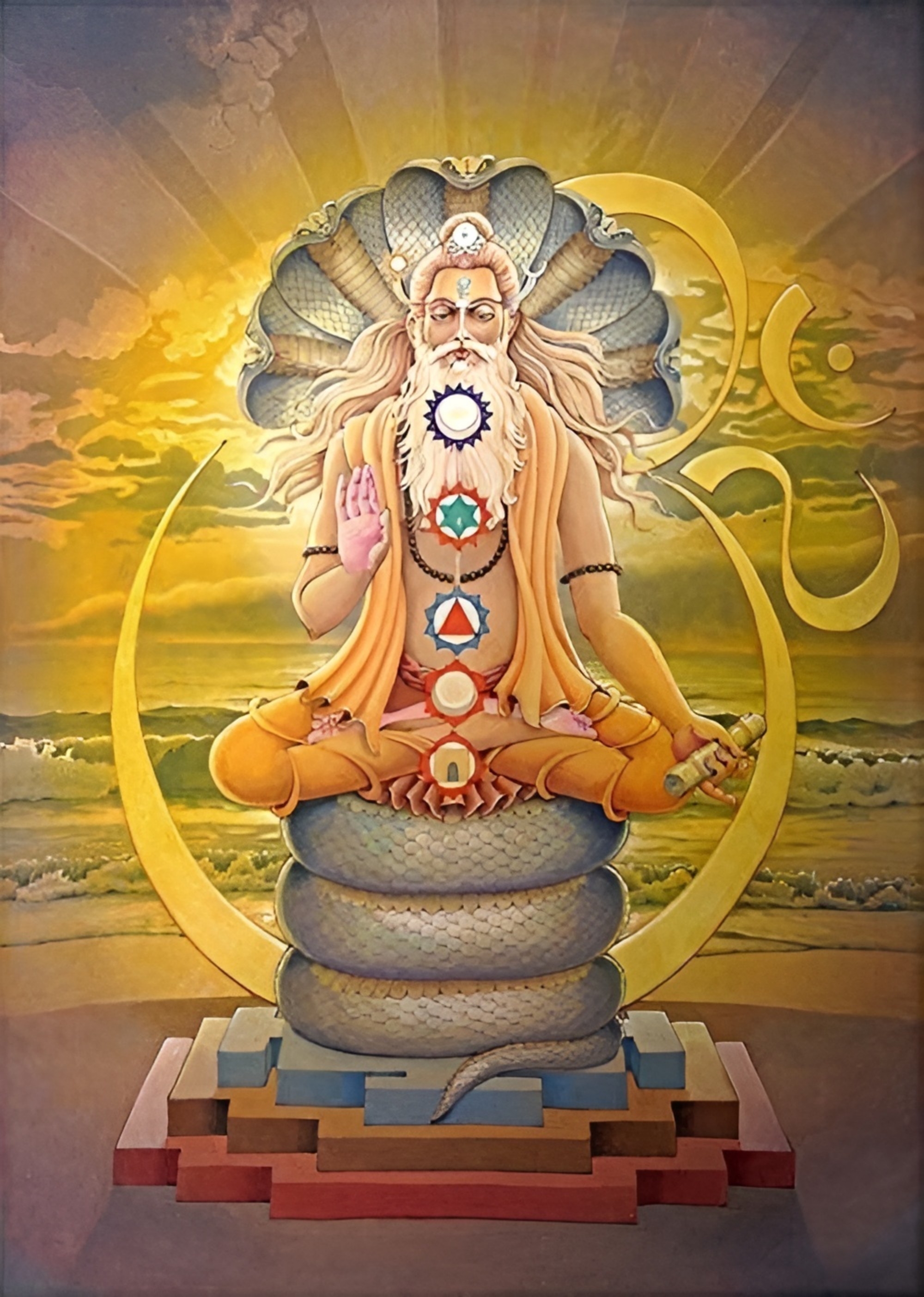
Transcending the Illusion of Duality
In the profound words of Patanjali, "Then one is no longer disturbed by dualities," we encounter a pivotal insight into the nature of human experience and the path of yoga. This statement invites us to consider the ways in which our lives are often governed by opposing forces—joy and sorrow, success and failure, love and hate. The stakes of this teaching are high; to transcend dualities is to find a state of equanimity that allows us to navigate life with grace and clarity. In a world rife with conflict and division, this wisdom offers a pathway to inner peace and mastery over our emotional landscape.
Delving deeper, we recognize that dualities are not merely external phenomena but also internal struggles that shape our perceptions and reactions. The disturbance caused by these dualities can lead to suffering, confusion, and a sense of disconnection from our true selves. Patanjali's assertion suggests that through the practice of yoga, one can cultivate a state of being that is unshaken by these fluctuations. This mastery over duality is not an escape from reality but rather an embrace of a more profound understanding of existence, where the transient nature of life is acknowledged and accepted.
The image / the metaphor
Patanjali's quote evokes a vivid imagery of a calm lake, undisturbed by the winds that may ripple its surface. The verbs "disturbed" and "no longer" suggest a transition from a state of agitation to one of tranquility. This imagery encapsulates the essence of yoga as a practice that seeks to still the mind and body, allowing for a deeper connection to the self. The felt sense of this transformation is one of liberation, where the weight of dualities no longer burdens the spirit, and clarity emerges from the chaos.
Going deeper into the metaphor, we can envision the dualities as clouds that obscure the sun. When we are caught in the storm of conflicting emotions and thoughts, we lose sight of our inherent light and wisdom. Patanjali's teaching encourages us to recognize that these clouds are temporary; they come and go, but the sun—the essence of who we are—remains constant. By cultivating awareness and practicing detachment, we can learn to observe these clouds without being swept away by them, ultimately allowing the sun to shine through once more.
In the speaker's tradition
Patanjali's insights are deeply rooted in the tradition of yoga, which emphasizes the importance of self-realization and the pursuit of dharma, or one's true path. The concept of kenosis, or self-emptying, resonates here, as it invites practitioners to let go of attachments and preconceived notions that bind them to dualistic thinking. Similarly, the Buddhist notion of sunyata, or emptiness, aligns with Patanjali's teaching, suggesting that the perceived separateness of dualities is an illusion that can be transcended through mindful awareness and compassion.
In the Yoga Sutras, Patanjali elaborates on the practice of meditation and the cultivation of prajna, or wisdom, as essential tools for overcoming dualities. The sutras guide practitioners toward a state of samadhi, where the mind becomes still and the distinction between self and other dissolves. This state of unity is not merely an abstract concept but a lived experience that transforms how we engage with the world around us, fostering a sense of interconnectedness and peace.
Living the teaching
Consider a modern scenario where this teaching finds resonance: a workplace filled with competition and rivalry. In such an environment, one might feel constantly pitted against colleagues, leading to stress and anxiety. By applying Patanjali's wisdom, an individual can learn to view these challenges not as threats but as opportunities for growth and collaboration. This shift in perspective allows for a more harmonious workplace, where the focus is on collective success rather than individual gain, ultimately fostering a sense of community and shared purpose.
In the realm of personal relationships, the teaching of transcending dualities can be particularly transformative. Imagine a conflict with a loved one, where emotions run high and misunderstandings abound. By embracing Patanjali's insight, one can approach the situation with a sense of equanimity, recognizing that both perspectives hold validity. This awareness opens the door to compassionate dialogue, allowing for healing and deeper connection. In daily practice, cultivating mindfulness through meditation or breathwork can support this journey, helping individuals to remain centered amidst the ebb and flow of relational dynamics.
A reflection
As we contemplate Patanjali's profound statement, we are invited to reflect on our own relationship with dualities. In what areas of your life do you find yourself disturbed by opposing forces? Consider how embracing the wisdom of non-attachment and equanimity might transform your experience. What practices can you incorporate into your daily routine to cultivate a deeper sense of peace and mastery over the fluctuations of life?


