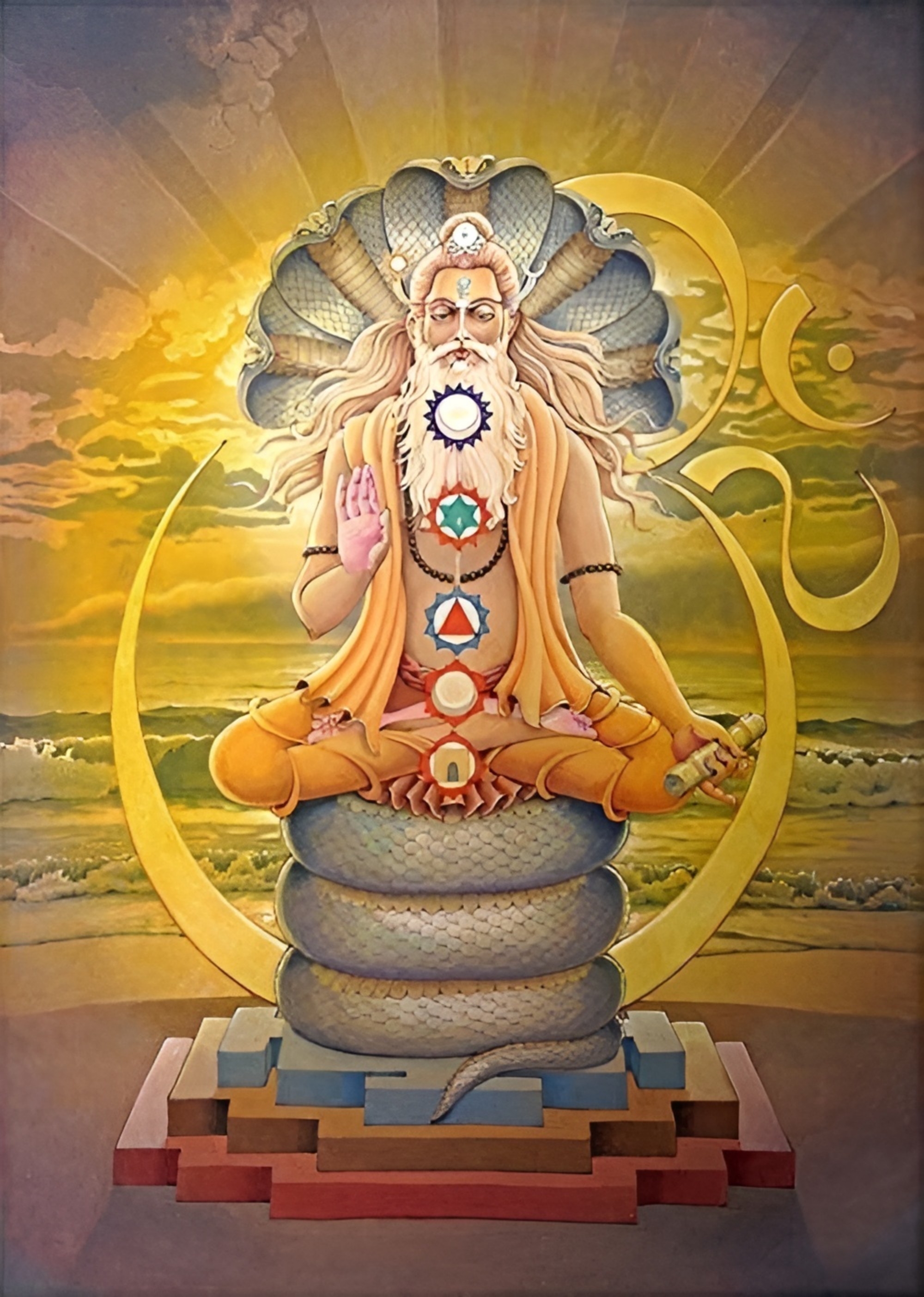
Transcending the Path: The Essence of Highest Yoga
Patanjali's assertion that "This is the highest yoga — that which goes beyond all means" invites us to explore a profound dimension of spiritual practice. In essence, he suggests that true liberation transcends the techniques and methodologies often associated with yoga. This perspective challenges us to reconsider our relationship with the practices we engage in, urging us to seek a deeper understanding of what it means to be liberated from the confines of our conditioned existence.
To grasp the significance of this statement, we must delve into the nature of yoga itself. Traditionally viewed as a series of practices aimed at achieving physical, mental, and spiritual well-being, yoga can sometimes become an end in itself. Patanjali, however, points us toward a higher realization — one that exists beyond the structured approaches and rituals. This invitation to transcend means not only elevates our understanding of yoga but also encourages us to embrace a more expansive view of our spiritual journey.
The image / the metaphor
The imagery in Patanjali's quote evokes a sense of liberation that is both exhilarating and daunting. The phrase "goes beyond all means" suggests a journey that is not confined by the limitations of technique or methodology. It conjures a vision of a vast, open landscape where the seeker is free to explore without the constraints of prescribed paths. The verbs chosen here — "goes beyond" — imply movement and progression, yet they also hint at a state of being that is already present, waiting to be realized.
Diving deeper into this metaphor, we can see that the "means" refer not only to the physical practices of yoga but also to the mental constructs and beliefs that often bind us. In this context, the highest yoga becomes a state of pure awareness, where the practitioner is not merely executing a series of postures or breathing techniques but is instead engaging in a profound communion with the essence of existence itself. This state of being transcends the dualities of success and failure, right and wrong, allowing for a more holistic experience of life.
In the speaker's tradition
Patanjali's teachings are rooted in the rich tradition of yoga philosophy, which emphasizes the importance of self-realization and liberation (moksha). Concepts such as dharma (righteous duty) and prajna (wisdom) are integral to understanding the broader implications of his statement. The notion of kenosis, or self-emptying, resonates here as well; it suggests that to truly experience the highest yoga, one must relinquish the ego and the attachment to the means of practice. This aligns with the Buddhist concept of sunyata, or emptiness, which teaches that liberation arises from letting go of our clinging to form and identity.
In the Yoga Sutras, Patanjali outlines the eight limbs of yoga, which serve as a guide for practitioners. However, the ultimate goal, as he indicates, is to transcend these very limbs. This echoes the teachings found in other spiritual traditions, such as the Sufi concept of fana, where the seeker dissolves the self into the divine. By situating Patanjali's quote within this broader context, we can appreciate the universality of the quest for liberation that transcends cultural and philosophical boundaries.
Living the teaching
Imagine a modern scenario where an individual is deeply engaged in their yoga practice, attending classes regularly and diligently following a structured routine. While these practices may bring physical benefits and a sense of community, the individual may find themselves feeling unfulfilled or stagnant. Patanjali's teaching serves as a gentle reminder that true liberation lies not in the adherence to a regimen but in the ability to let go of attachment to the practice itself. This shift in perspective can lead to a more profound experience of yoga, one that is rooted in presence rather than performance.
Consider also the dynamics of a relationship where one partner feels the weight of expectations and the need to perform. In such a situation, embracing the essence of Patanjali's teaching can foster a deeper connection. By moving beyond the means of communication and the roles each person plays, both partners can cultivate a space of authenticity and vulnerability. This practice of letting go of preconceived notions allows for a more genuine expression of love and understanding, ultimately leading to a more liberated and fulfilling relationship.
A reflection
As we contemplate Patanjali's profound assertion, we are invited to reflect on our own lives and practices. What does it mean for us to transcend the means by which we seek fulfillment and liberation? In what areas of our lives do we cling to methods or beliefs that may be limiting our experience of true freedom? Allowing ourselves to sit with these questions can open pathways to deeper understanding and transformation, guiding us toward the essence of the highest yoga.


