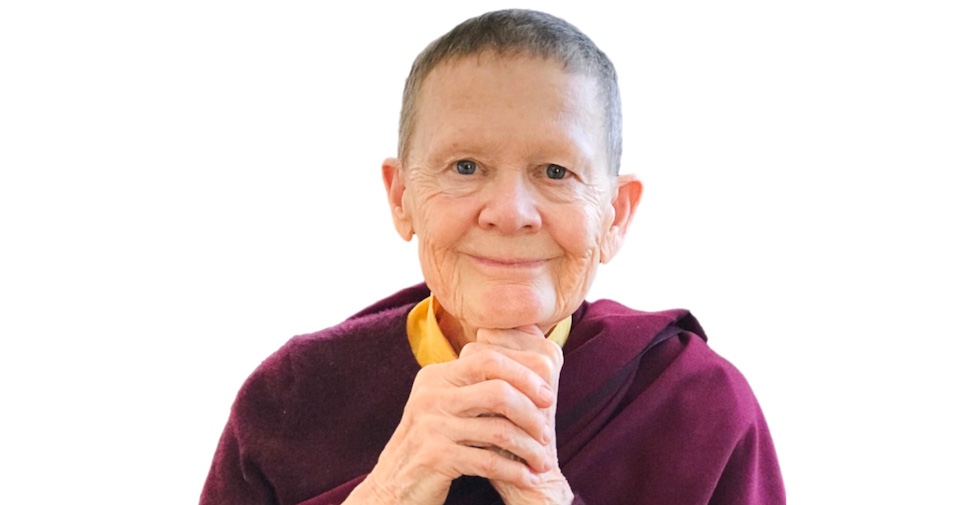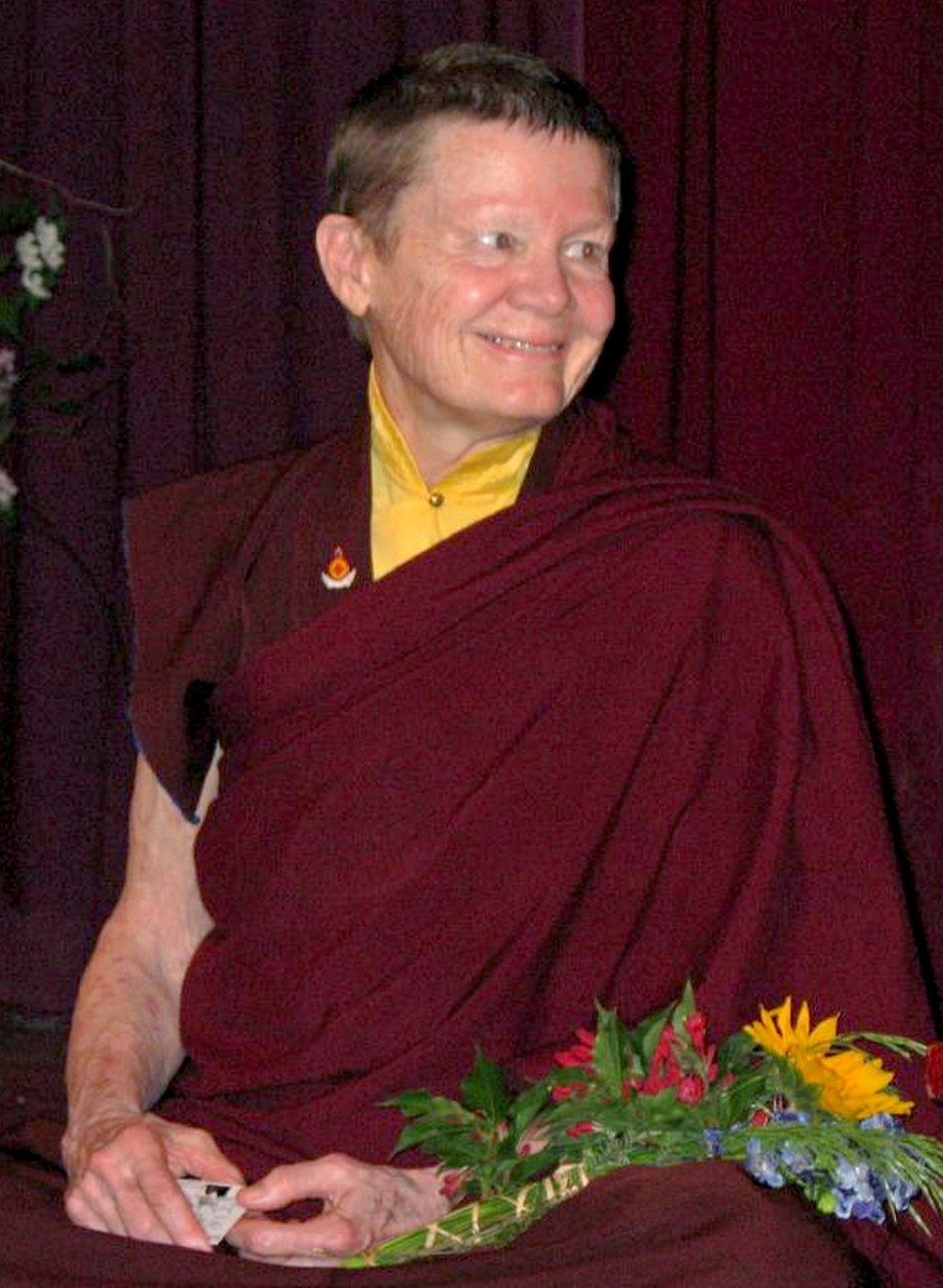
Grounded in Recognition: The Essence of Refuge
Pema Chödrön's assertion that "refuge is the recognition that we are already grounded" invites us to explore the profound truth that our sense of stability and safety is not something we must seek externally. Instead, it is an inherent quality within us, waiting to be acknowledged. This understanding is crucial, especially in times of turmoil or uncertainty, as it offers a pathway to inner peace and resilience. Recognizing our groundedness allows us to navigate life's challenges with a sense of calm and clarity.
In a world that often feels chaotic and unpredictable, the idea of being grounded can seem elusive. Yet, Chödrön's words remind us that this grounding is not contingent upon external circumstances; it is a recognition of our true nature. By turning inward and cultivating awareness, we can find refuge in the stability that exists within us. This teaching encourages us to embrace our present experience, no matter how difficult, and to trust in our capacity to remain anchored amidst the storms of life.
The image / the metaphor
The imagery in Chödrön's quote evokes a sense of sanctuary and safety, suggesting that refuge is not a distant destination but a state of being that we can access at any moment. The verb "recognition" implies an active engagement with our inner landscape, a conscious acknowledgment of the ground beneath our feet. This grounding is not merely physical; it encompasses emotional and spiritual dimensions, inviting us to feel secure in our own skin and in our experiences.
Diving deeper into the metaphor, we can see that grounding represents a connection to our authentic selves, a foundation that remains steadfast even when external conditions shift. This recognition is akin to the roots of a tree, which provide stability and nourishment, allowing the tree to flourish despite the winds that may blow. By understanding that we are already grounded, we can cultivate a sense of belonging and peace that transcends the transient nature of our circumstances.
In the speaker's tradition
Pema Chödrön's teachings are deeply rooted in the Buddhist tradition, where the concept of refuge is central to the path of awakening. In Buddhism, taking refuge often refers to seeking safety in the Three Jewels: the Buddha, the Dharma, and the Sangha. However, Chödrön invites us to consider a more internalized understanding of refuge, one that emphasizes the recognition of our inherent stability and wisdom. This aligns with the Buddhist notion of *sunyata*, or emptiness, which teaches that our perceptions of instability are often illusions created by our minds.
Living the teaching
Consider a modern scenario where this teaching can be applied: a person facing job loss. In the immediate aftermath, feelings of fear and instability may arise, leading to a frantic search for external solutions. However, by recognizing that they are already grounded—through their skills, experiences, and inner resilience—they can find a sense of refuge within themselves. This recognition allows them to approach the situation with clarity, enabling them to explore new opportunities rather than being paralyzed by fear.
A reflection
As we contemplate Pema Chödrön's profound insight, we are invited to reflect on our own experiences of grounding and refuge. In moments of uncertainty or distress, how can we cultivate a deeper recognition of our inherent stability? What practices can we engage in to nurture this awareness and allow it to guide us through life's challenges? By exploring these questions, we can begin to embody the essence of refuge that Chödrön so beautifully articulates, finding peace in the recognition of our groundedness.