Embracing the Uncomfortable: The Wisdom of Staying
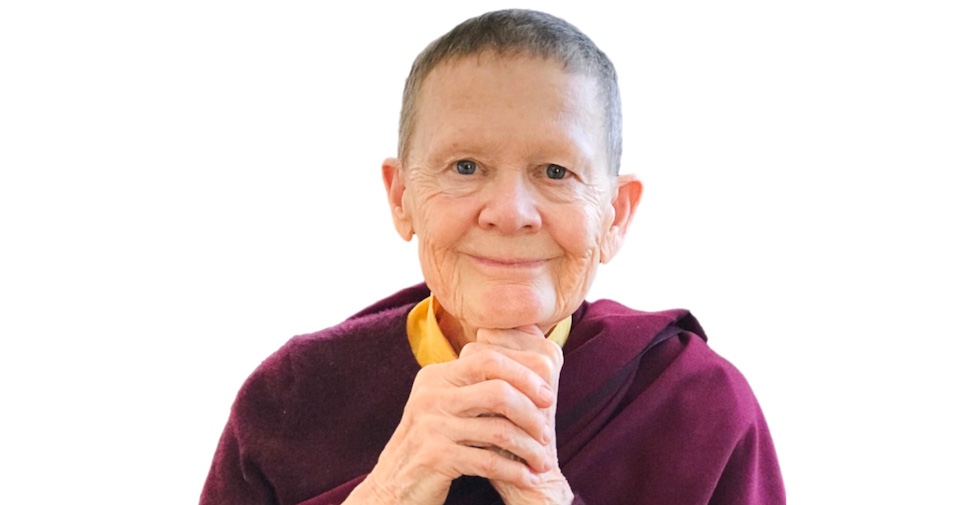
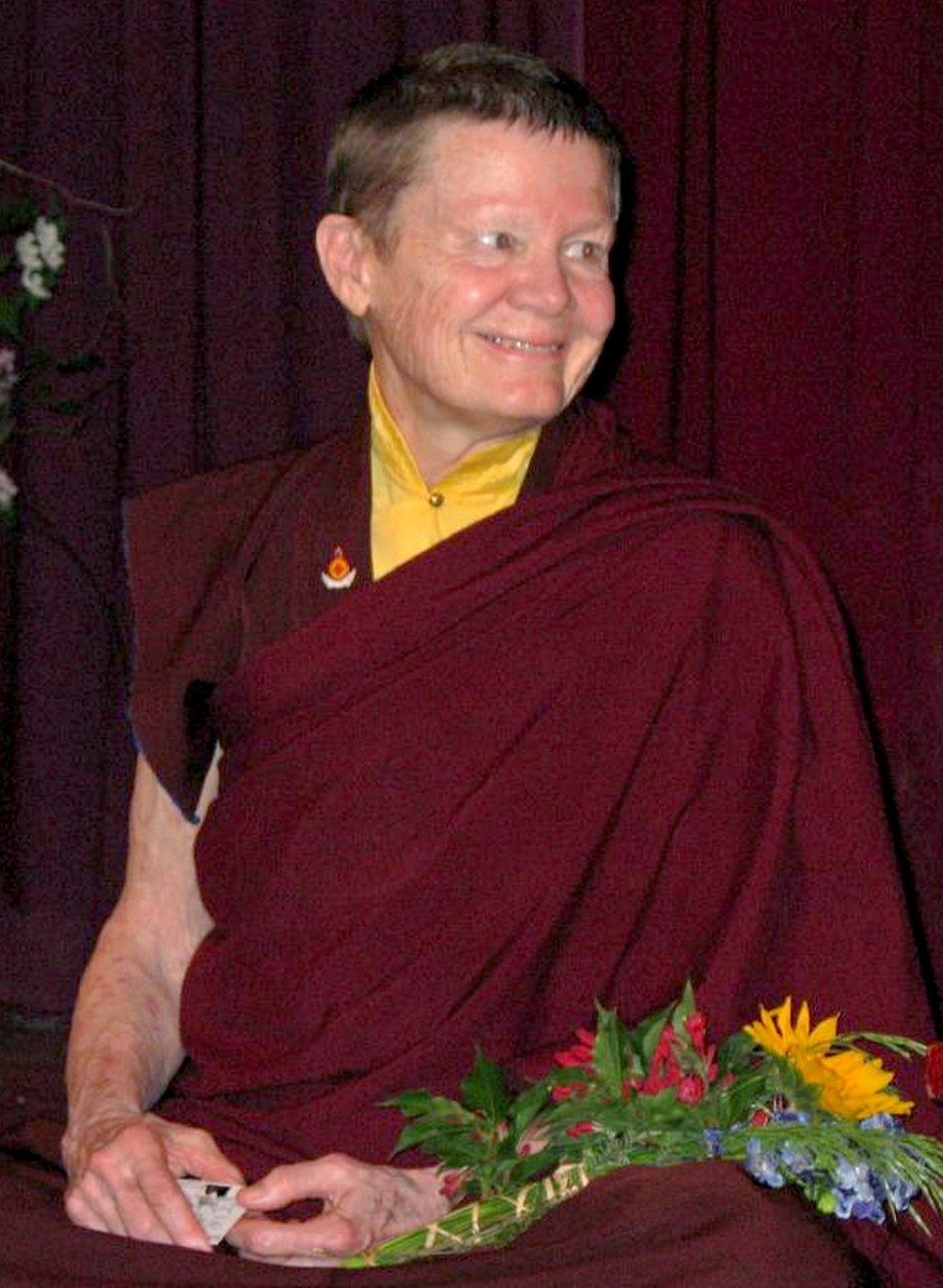
Pema Chödrön invites us to "sit with what you're trying to escape," a profound call to confront our discomfort rather than flee from it. In a world that often glorifies distraction and avoidance, this teaching challenges us to cultivate presence and awareness in the face of our struggles. By embracing our discomfort, we can transform it into a source of insight and growth, ultimately leading to a more authentic and fulfilling life. This invitation to stay with our experiences is not merely a suggestion; it is a pathway to deeper understanding and compassion for ourselves and others.
Chödrön's words resonate deeply in a culture that frequently prioritizes quick fixes and superficial solutions. The act of sitting with our discomfort requires courage and vulnerability, as it asks us to confront the very emotions and situations we often wish to escape. This process of staying can lead us to a profound realization: our struggles are not obstacles to be avoided but integral parts of our human experience. By engaging with our discomfort, we open ourselves to the possibility of transformation and healing, allowing us to cultivate a sense of presence that enriches our lives.
The image / the metaphor
The imagery in Chödrön's quote evokes a sense of stillness and introspection. The verb "sit" suggests a deliberate choice to pause and engage with our inner landscape, while "escape" highlights the instinctual urge to flee from discomfort. This juxtaposition creates a powerful tension between action and stillness, inviting us to explore the space between our impulses and our capacity for presence. The act of sitting implies a willingness to be with ourselves, to observe our thoughts and feelings without judgment, and to allow them to unfold in their own time.
Diving deeper into the metaphor, "sitting" can be seen as a practice of mindfulness, where we cultivate awareness of our thoughts and emotions without the need to change or escape them. This practice encourages us to develop a compassionate relationship with our discomfort, recognizing it as a teacher rather than an adversary. By embracing this metaphor, we can begin to understand that our struggles are not separate from us; they are woven into the fabric of our existence, offering valuable lessons and insights if we are willing to engage with them fully.
In the speaker's tradition
Pema Chödrön's teachings are rooted in the Buddhist tradition, which emphasizes the importance of presence and awareness in the face of suffering. Concepts such as dharma, or the path of truth, and sunyata, the notion of emptiness, resonate deeply with her invitation to sit with discomfort. In Buddhism, suffering is seen as an inherent part of life, and the practice of staying with our experiences allows us to cultivate wisdom and compassion. This approach aligns with the idea of kenosis, or self-emptying, where we let go of our preconceived notions and attachments, creating space for new insights to emerge.
In her book "When Things Fall Apart," Chödrön draws upon the teachings of the Buddha and other spiritual traditions to illustrate the transformative power of embracing our discomfort. She encourages readers to view their struggles as opportunities for growth, echoing the sentiment found in the Heart Sutra, which teaches that form is emptiness and emptiness is form. This profound understanding invites us to recognize that our discomfort is not separate from our true nature; rather, it is an integral part of our journey toward awakening and liberation.
Living the teaching
Consider a modern scenario where this teaching can be applied: a person facing anxiety about an upcoming job interview. The instinct may be to distract oneself with social media or to overprepare in a frantic attempt to control the situation. However, by choosing to sit with the anxiety—acknowledging it, breathing into it, and allowing it to be present—this individual can cultivate a sense of calm and clarity. This practice of staying with discomfort can transform anxiety into a source of insight, revealing underlying fears and desires that can be addressed with compassion.
Another application of this teaching might arise in the context of a difficult relationship. When conflicts arise, the temptation may be to withdraw or lash out, seeking to escape the discomfort of vulnerability. However, by choosing to sit with the feelings of hurt or anger, one can begin to understand the deeper emotions at play. This process of staying allows for honest communication and the potential for healing, fostering a deeper connection and understanding between individuals. In both scenarios, the act of sitting with discomfort becomes a transformative practice that nurtures growth and connection.
A reflection
As we contemplate Pema Chödrön's invitation to "sit with what you're trying to escape," we are called to reflect on our own lives. What discomfort are you currently avoiding, and how might embracing it lead to greater understanding and compassion? This question invites us to explore the richness of our experiences, encouraging us to cultivate a practice of presence that honors our struggles as integral to our journey. In this way, we can begin to transform our relationship with discomfort, allowing it to guide us toward deeper wisdom and connection.