Inhabiting the Essence of Our Lives
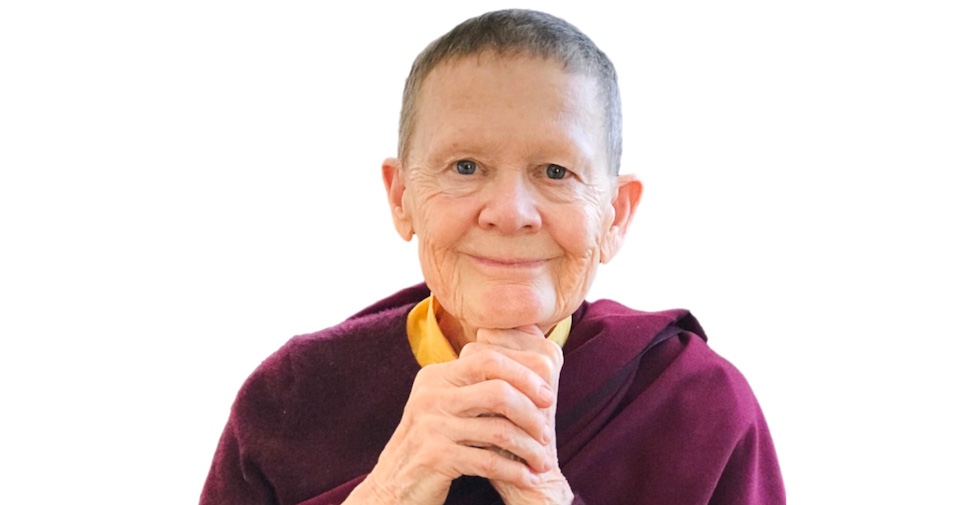
Pema Chödrön's poignant observation, "The trouble is that you do not know how to inhabit your own life," invites us to reflect on the profound disconnect many of us experience between our inner selves and the world around us. This statement resonates deeply in a culture often characterized by distraction and disconnection, urging us to confront the reality that we may be merely existing rather than truly living. The stakes are high; without the ability to inhabit our own lives, we risk missing the richness of our experiences and the depth of our relationships.
Inhabiting our lives fully means embracing the present moment, acknowledging our thoughts and feelings, and engaging with the world authentically. Chödrön's words serve as a gentle yet firm reminder that life is not merely a series of events to be endured but a vibrant tapestry to be woven with intention and awareness. To inhabit our lives is to cultivate presence, to be aware of our breath, our emotions, and the sensations that arise within us, allowing us to connect more deeply with ourselves and others.
The image / the metaphor
The imagery in Chödrön's quote evokes a sense of estrangement, as if we are mere spectators in our own existence. The verb "inhabit" suggests a deep, intimate engagement with life, akin to living in a home that is both familiar and nurturing. To inhabit implies not just physical presence but emotional and spiritual resonance, a full-bodied experience of being alive. The trouble arises when we find ourselves disconnected, as if we are watching our lives unfold from a distance, unable to touch the essence of our own experiences.
Diving deeper into this metaphor, we can envision life as a vast landscape, rich with opportunities for exploration and discovery. To inhabit this landscape means to walk its paths with awareness, to feel the earth beneath our feet, and to breathe in the air that surrounds us. It is an invitation to engage with the fullness of our existence, to embrace both the joys and the sorrows, and to recognize that each moment holds the potential for awakening and transformation.
In the speaker's tradition
Pema Chödrön's teachings are rooted in the Buddhist tradition, where concepts such as mindfulness, presence, and the nature of suffering play pivotal roles. The idea of "inhabiting" one's life aligns closely with the Buddhist practice of mindfulness, or "sati," which encourages us to be fully present in each moment. This practice allows us to observe our thoughts and feelings without judgment, fostering a deeper understanding of our true selves and the impermanence of life.
In her work, Chödrön often references the concept of "sunyata," or emptiness, which invites us to let go of rigid identities and preconceived notions of self. By embracing emptiness, we can begin to inhabit our lives more fully, recognizing that our experiences are fluid and ever-changing. This perspective echoes the teachings found in the Heart Sutra, where the realization of emptiness leads to liberation from suffering and a deeper connection to the world around us.
Living the teaching
Consider a modern scenario where this teaching might resonate: a busy professional caught in the whirlwind of deadlines and meetings. In this context, the individual may find themselves physically present at work but mentally preoccupied with future tasks or past regrets. By practicing mindfulness and consciously choosing to inhabit the present moment, they can transform their experience, finding joy in the simple act of engaging with colleagues, savoring a cup of coffee, or appreciating the beauty of a sunset after a long day.
In relationships, the challenge of inhabiting our lives can manifest as emotional distance or miscommunication. Imagine a couple navigating a difficult conversation, where one partner feels unheard and the other is distracted by their own thoughts. By cultivating presence and actively listening, they can bridge the gap between them, creating a space for vulnerability and connection. This practice of inhabiting the moment allows for deeper intimacy and understanding, fostering a relationship that thrives on authenticity and shared experience.
A reflection
As we contemplate Chödrön's insight, we are invited to ask ourselves: How often do I truly inhabit my own life? This question encourages us to reflect on our daily experiences, our relationships, and our emotional landscapes. In a world filled with distractions, how can we cultivate a deeper sense of presence, allowing ourselves to fully engage with the richness of our lives? By exploring this question, we open ourselves to the possibility of transformation and a more profound connection to our own existence.