The Warrior's Embrace of Uncertainty
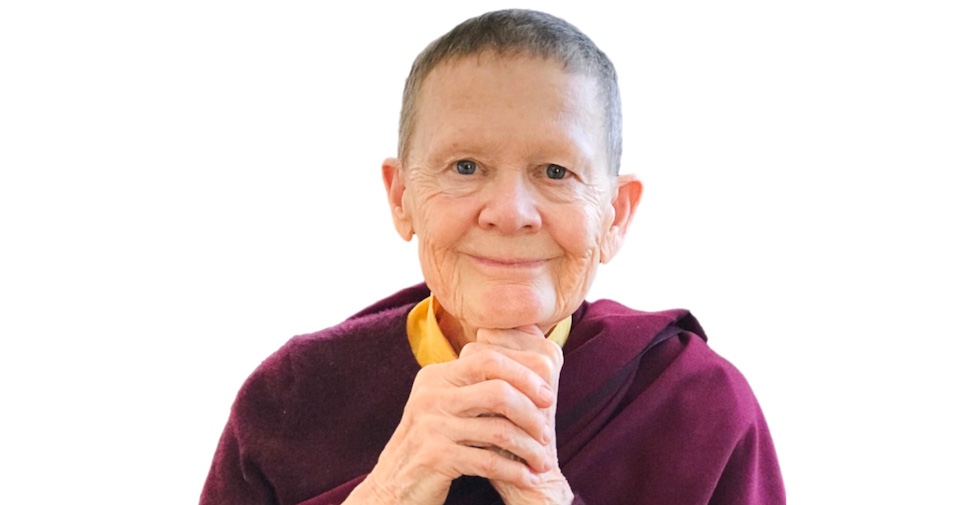
Pema Chödrön's assertion that "to be a warrior is to make peace with not knowing" invites us to reconsider our relationship with uncertainty. In a world that often prizes certainty and control, this perspective challenges us to find strength in vulnerability. The stakes are high; our ability to navigate the unknown can determine the quality of our lives and the depth of our relationships. Embracing unknowing is not merely an act of resignation but a courageous acceptance that opens the door to profound personal growth and connection.
Chödrön's words resonate deeply in a culture that often equates knowledge with power. To be a warrior, in this context, is to cultivate a mindset that welcomes ambiguity rather than shuns it. This approach requires a radical shift in how we perceive challenges and adversities, transforming them from sources of fear into opportunities for learning and compassion. By making peace with not knowing, we not only liberate ourselves from the constraints of certainty but also foster a more authentic and resilient way of being in the world.
The image / the metaphor
The imagery of a "warrior" conjures notions of strength, courage, and resilience. Yet, Chödrön juxtaposes this archetype with the concept of "not knowing," creating a paradox that invites deeper contemplation. The warrior is not merely a fighter; they are someone who engages with life’s uncertainties with grace and openness. The verbs "make" and "peace" suggest an active process, indicating that this acceptance is not passive but requires intention and effort. It is a dynamic interplay between strength and vulnerability, where the warrior learns to navigate the tumultuous waters of existence without the need for a map.
Diving deeper into the metaphor, we see that the warrior's journey is not about conquering the unknown but rather about coexisting with it. This coexistence fosters a sense of equanimity, allowing the warrior to remain grounded amidst chaos. The act of making peace with unknowing transforms fear into curiosity, enabling us to approach life with a sense of wonder rather than dread. In this light, the warrior becomes a symbol of resilience, embodying the capacity to face life’s uncertainties with an open heart and a clear mind.
In the speaker's tradition
Pema Chödrön's teachings are deeply rooted in the Buddhist tradition, where concepts such as *sunyata* (emptiness) and *prajna* (wisdom) play pivotal roles. The notion of *sunyata* invites us to recognize the impermanence and interdependence of all things, suggesting that our attachment to certainty is ultimately an illusion. By embracing *prajna*, we cultivate a wisdom that allows us to see beyond the surface of our fears and anxieties, recognizing that the unknown is a natural part of the human experience. This understanding aligns with the warrior's path, which is characterized by a willingness to confront the unknown with courage and compassion.
In her book, *The Places That Scare You*, Chödrön draws upon the teachings of the Buddha, emphasizing the importance of mindfulness and presence in navigating uncertainty. She encourages us to cultivate a sense of openness and curiosity, reminding us that the path to enlightenment is often fraught with challenges. This perspective echoes the teachings found in the *Dhammapada*, where the Buddha speaks of the importance of facing fear and doubt with a calm and steady mind. By integrating these teachings into our lives, we can embody the warrior spirit that Chödrön so eloquently describes.
Living the teaching
Consider a modern scenario where this teaching might resonate: a professional facing an unexpected job loss. The initial reaction may be one of panic and uncertainty, as the individual grapples with the fear of the unknown. However, by embracing the warrior's mindset, they can begin to see this challenge as an opportunity for growth and reinvention. Rather than clinging to the past or fearing the future, they can approach this moment with curiosity, exploring new paths and possibilities that may have previously seemed daunting. This shift in perspective allows them to navigate the transition with grace, ultimately leading to a more fulfilling and authentic career.
This teaching also finds application in personal relationships, particularly during times of conflict or misunderstanding. Imagine a couple facing a significant disagreement; the instinct may be to seek immediate resolution or to retreat into defensiveness. However, by embodying the warrior's acceptance of not knowing, they can create space for open dialogue and vulnerability. This willingness to embrace uncertainty fosters deeper intimacy and understanding, allowing both partners to explore their feelings and perspectives without the pressure of needing to "win" the argument. In this way, making peace with not knowing becomes a powerful tool for healing and connection.
A reflection
As we contemplate Chödrön's profound insight, we are invited to reflect on our own relationship with uncertainty. How often do we find ourselves clinging to the illusion of control, resisting the natural ebb and flow of life? In what areas of our lives might we benefit from embracing the warrior's spirit, allowing ourselves to be vulnerable and open to the unknown? As you ponder these questions, consider the ways in which making peace with not knowing could transform your experiences and relationships, inviting a deeper sense of freedom and authenticity into your life.