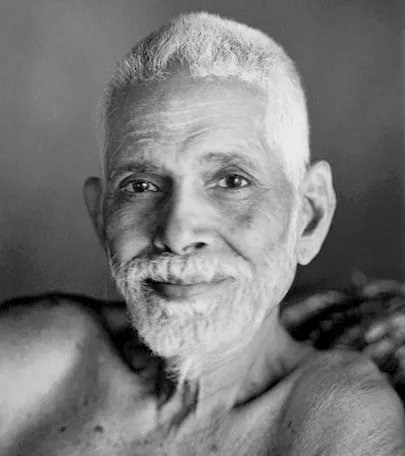
The Essence Beyond the Posture
Ramana Maharshi's assertion that "Asanas (postures), pranayama, etc. are aids — and not necessary aids" invites us to reconsider the role of physical practices in our spiritual journey. While these techniques can enhance our experience, they are not the ultimate goal. This distinction is crucial, as it emphasizes the importance of the inner experience over external forms. In a world often preoccupied with methods and techniques, Maharshi's words remind us that the essence of spiritual practice transcends the physical.
By framing asanas and pranayama as aids rather than necessities, Maharshi encourages us to look beyond the surface of our practices. This perspective invites a deeper inquiry into what it means to seek spiritual truth. It challenges us to explore the motivations behind our practices and to recognize that the true essence of spirituality lies in the direct experience of the self, rather than in the rituals or techniques we may adopt. This understanding can liberate us from the confines of dogma and lead us toward a more authentic engagement with our spiritual path.
The image / the metaphor
In Maharshi's quote, the imagery of "aids" evokes a sense of support rather than necessity. The term suggests that asanas and pranayama serve as tools that can assist us in our journey, much like a walking stick aids a traveler. However, the emphasis on their non-essential nature implies that the journey itself is paramount. The verbs chosen—"are" and "not necessary"—convey a sense of clarity and simplicity, inviting us to strip away the layers of complexity that often accompany spiritual practice.
Delving deeper into the metaphor, we can see that Maharshi is pointing to the idea that the essence of spiritual awakening is not found in the external forms we adopt but in the internal realization of our true nature. Just as a walking stick may help us navigate a difficult path but is not the path itself, so too are asanas and pranayama supportive yet secondary to the profound inner transformation that occurs when we turn our attention inward. This metaphor serves as a gentle reminder to prioritize the essence of our being over the means we use to explore it.
In the speaker's tradition
Ramana Maharshi's teachings are deeply rooted in the Advaita Vedanta tradition, which emphasizes non-duality and the realization of the self as one with the ultimate reality, Brahman. Concepts such as dharma, or righteous living, and prajna, or wisdom, are integral to understanding his perspective. Maharshi's assertion that physical practices are aids aligns with the notion of kenosis, or self-emptying, where the practitioner must let go of attachments to forms and methods in order to experience the fullness of their true nature. This approach encourages a direct inquiry into the self, leading to the realization of sunyata, or emptiness, which is central to many Eastern philosophies.
In the context of Maharshi's teachings, we can draw parallels with the Bhagavad Gita, where Krishna advises Arjuna to focus on his duty without attachment to the fruits of his actions. This idea resonates with Maharshi's perspective that while practices may support our journey, they should not become the focal point of our spiritual quest. Instead, the Gita encourages us to engage in selfless action, allowing us to transcend the limitations of the physical and connect with the deeper essence of our being.
Living the teaching
Consider a modern scenario where an individual is deeply engaged in yoga practice, attending classes regularly and perfecting their postures. While these activities can foster physical well-being and a sense of community, they may also lead to a fixation on achieving the "perfect" pose. Maharshi's teaching serves as a gentle reminder that the true purpose of yoga extends beyond the physical realm. By shifting focus from the external practice to the internal experience, the individual can cultivate a deeper sense of presence and awareness, ultimately leading to a more profound connection with their true self.
In a different context, imagine a person navigating a challenging relationship. They may find themselves relying on communication techniques or conflict resolution strategies as aids to improve their interactions. However, Maharshi's insight encourages them to look beyond these methods and explore the essence of their feelings and intentions. By fostering genuine compassion and understanding, they can transcend the need for techniques and engage in a more authentic and heartfelt connection with their partner. This shift in perspective can transform the relationship, allowing for deeper intimacy and connection.
A reflection
As we contemplate Maharshi's assertion that asanas and pranayama are aids rather than necessities, we are invited to reflect on our own spiritual practices. Are we becoming overly attached to the methods we employ, or are we able to discern the essence of our journey? In what ways can we simplify our approach to spirituality, focusing more on the direct experience of our true nature? This contemplation encourages us to explore the balance between practice and essence, ultimately guiding us toward a more authentic and fulfilling spiritual path.


