The Art of Action: Embracing Responsibility Without Attachment
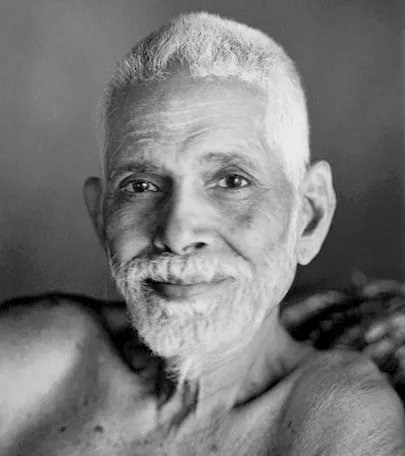
Ramana Maharshi's profound assertion, "The doer's responsibility is to act and not to enjoy the fruits of action," invites us to reconsider our relationship with effort and outcome. In a world that often equates success with tangible rewards, this teaching challenges us to focus on the purity of our intentions and the integrity of our actions. The stakes are high; by shifting our focus from results to the act itself, we cultivate a deeper sense of purpose and connection to the present moment.
This perspective is not merely a philosophical abstraction but a practical guide for navigating the complexities of life. When we detach from the fruits of our actions, we liberate ourselves from anxiety and disappointment, allowing us to engage with our tasks more fully. This teaching resonates deeply within the fabric of Hindu philosophy, where the concept of duty, or dharma, is paramount. By embracing our responsibilities without the burden of expectation, we align ourselves with a more profound spiritual truth.
The image / the metaphor
The imagery in Maharshi's quote evokes a sense of movement and purpose. The term "doer" suggests an active participant in life, someone who engages with the world through their actions. The verbs "act" and "enjoy" create a dynamic tension; while action is a call to engage, enjoyment implies a fixation on outcomes. This distinction is crucial, as it highlights the difference between being present in the moment and being ensnared by the desire for results.
In the speaker's tradition
Ramana Maharshi's teaching is deeply rooted in the Hindu tradition, where concepts such as dharma and karma play pivotal roles. Dharma, or one's duty, emphasizes the importance of acting in accordance with one's true nature and responsibilities. This aligns with the notion of kenosis, or self-emptying, found in various spiritual traditions, which encourages individuals to relinquish their ego-driven desires in favor of a more profound connection to the divine. Maharshi's perspective invites us to embrace our duties without attachment, fostering a sense of surrender that is essential for spiritual growth.
In the Bhagavad Gita, a foundational text in Hindu philosophy, Lord Krishna imparts similar wisdom to Arjuna, urging him to perform his duty as a warrior without attachment to the results of his actions. This teaching underscores the importance of selfless action, or karma yoga, which encourages individuals to engage in their responsibilities while remaining unattached to the outcomes. By situating Maharshi's quote within this broader context, we can appreciate the timeless relevance of his message and its roots in the rich tapestry of Hindu thought.
Living the teaching
Consider a modern scenario where this teaching can be applied: a professional striving for recognition in their career. In the pursuit of success, one may become fixated on promotions, accolades, and external validation. However, by embracing Maharshi's teaching, this individual can shift their focus from the desire for recognition to the quality of their work and the integrity of their contributions. This shift not only alleviates stress but also fosters a deeper sense of fulfillment, as the individual engages more authentically with their tasks.
Another application of this teaching can be found in personal relationships. Imagine a situation where one partner is invested in the outcome of a relationship, seeking validation and reassurance from the other. By practicing the principle of acting without attachment to the fruits of their actions, this partner can focus on nurturing the relationship itself, engaging in acts of love and kindness without expectation. This approach fosters a more profound connection, as both individuals learn to appreciate each other for who they are, rather than for what they can provide.
A reflection
As we contemplate Ramana Maharshi's teaching, we are invited to reflect on our own relationship with action and outcome. Are we often caught in the web of expectation, measuring our worth by the results we achieve? In what areas of our lives can we practice the art of acting without attachment, allowing ourselves to engage more fully in the present moment? These questions serve as a gentle reminder to embrace the journey of life with openness and sincerity, cultivating a deeper connection to our true selves.


