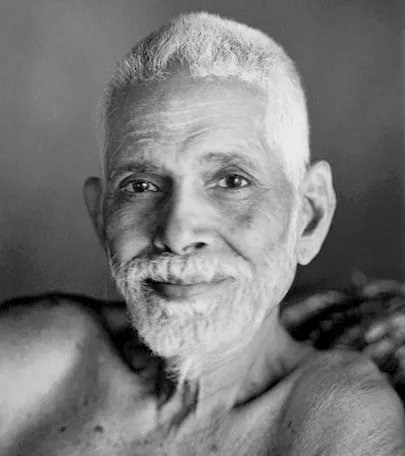
The Heart of the Self: A Journey Beyond the Physical
Ramana Maharshi's assertion, "What is the Heart? It is not the physical heart. It is the Self," invites us to explore the profound depths of our being beyond mere biological existence. This statement challenges us to reconsider our understanding of the heart, urging us to look inward to discover the essence of who we truly are. In a world often preoccupied with external validation and material pursuits, Maharshi's words remind us that the true heart lies in the Self, a concept that transcends the physical and taps into the spiritual core of our existence.
Delving deeper, we find that Maharshi's exploration of the heart as the Self is not merely a philosophical abstraction but a call to introspection and self-realization. The heart, in this context, symbolizes the innermost essence of our being, the seat of consciousness and awareness. By distinguishing between the physical heart and the Self, Maharshi invites us to embark on a journey of self-discovery, where we can uncover the layers of identity that obscure our true nature. This journey is essential for anyone seeking a deeper understanding of life and a more authentic connection with themselves and others.
The image / the metaphor
The imagery in Maharshi's quote evokes a sense of duality between the physical and the spiritual. The "heart" is often associated with emotions, love, and vitality, yet Maharshi redirects our focus from this familiar understanding to a more profound interpretation. By stating that the heart is not the physical organ, he emphasizes the need to transcend our conventional perceptions and engage with the deeper aspects of our existence. This shift in perspective invites us to feel the heart not as a mere pump of blood but as a vibrant center of consciousness and awareness.
Moreover, the metaphor of the heart as the Self suggests a unity that is often overlooked in our daily lives. In many spiritual traditions, the heart is seen as the bridge between the physical and the divine, a place where the individual self meets the universal. Maharshi's teaching encourages us to recognize that our true essence is not separate from the world around us but is intricately woven into the fabric of existence. This realization can lead to a profound sense of interconnectedness and compassion, allowing us to live more fully and authentically.
In the speaker's tradition
Ramana Maharshi's insights are deeply rooted in the Advaita Vedanta tradition, which emphasizes non-duality and the oneness of the Self with the ultimate reality, Brahman. Concepts such as *dharma* (righteousness), *bhakti* (devotion), and *prajna* (wisdom) resonate throughout his teachings, guiding seekers toward self-realization. The distinction between the physical heart and the Self aligns with the Advaita principle that the true self is beyond the transient nature of the body and mind, urging us to seek the eternal truth that lies within.
In the context of Maharshi's teachings, we can draw parallels to the *Upanishads*, ancient texts that explore the nature of the Self and its relationship to the cosmos. For instance, the *Chandogya Upanishad* speaks of the *Atman* (the individual self) as being one with *Brahman* (the universal self), reinforcing the idea that our true essence is not confined to our physical form. This philosophical framework provides a rich backdrop for understanding Maharshi's assertion, inviting us to explore the depths of our being and recognize the divine within ourselves.
Living the teaching
Consider a modern scenario where this teaching can be applied: a person grappling with feelings of inadequacy in their career. They may find themselves constantly striving for external validation, measuring their worth by promotions or accolades. Maharshi's insight encourages this individual to pause and reflect on their true nature, recognizing that their worth is not defined by external achievements but by the inherent value of their being. By shifting their focus inward, they can cultivate a sense of self-acceptance and peace that transcends the pressures of the outside world.
In relationships, this teaching can manifest in profound ways. Imagine a couple facing conflict, where misunderstandings and emotional wounds create distance between them. By embracing the idea that the heart is the Self, both partners can approach their differences with compassion and empathy, recognizing that their true essence is rooted in love and connection. This perspective allows them to navigate challenges with greater understanding, fostering a deeper bond that honors their shared humanity.
A reflection
As we contemplate Maharshi's profound statement, we are invited to ask ourselves: "What does it mean for me to connect with my true Self beyond the physical?" This question encourages us to explore the layers of our identity, inviting us to peel back the societal expectations and personal narratives that often obscure our essence. In this exploration, we may find the heart of our being, a source of wisdom and love that can guide us through the complexities of life.


