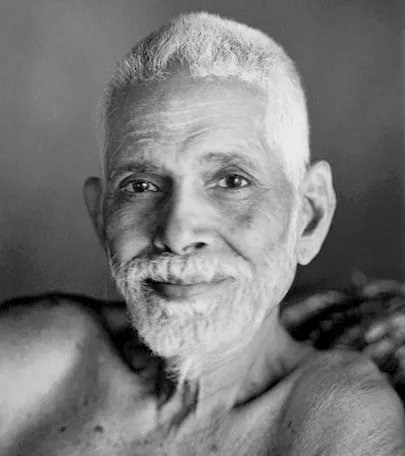
The Liberation Beyond the Self
Ramana Maharshi's assertion, "When the ego dies, all problems cease," invites us to contemplate the profound relationship between the self and the myriad struggles we face in life. In essence, he suggests that the dissolution of the ego—the false sense of self—leads to a state of liberation where suffering and conflict are transcended. This statement is not merely philosophical; it is a call to explore the depths of our being and to recognize how our attachments and identifications with the ego create barriers to true freedom.
Understanding this quote is essential in a world where the ego often dictates our actions, thoughts, and emotions. The ego, with its incessant need for validation, control, and separation, can cloud our perception of reality and lead to a cycle of dissatisfaction. Maharshi's teaching encourages us to look beyond this limited perspective, suggesting that the cessation of egoic identification opens the door to a more profound experience of existence—one characterized by peace, unity, and clarity.
The image / the metaphor
The imagery in Maharshi's quote evokes a powerful transformation: the death of the ego symbolizes a radical shift in consciousness. The verb "dies" suggests an ending, a relinquishing of something that has long been held onto, while "problems cease" implies a state of resolution and harmony. This metaphor paints a picture of liberation, where the burdens of identity and attachment dissolve, allowing for a more expansive experience of life. It invites us to imagine a reality unencumbered by the incessant chatter of the mind, where clarity and peace reign.
Diving deeper into this metaphor, we can see that the "death" of the ego is not a literal annihilation but rather a transformation of perception. It is akin to shedding a skin that no longer serves us, revealing a more authentic self beneath. This process can be likened to a caterpillar's metamorphosis into a butterfly, where the old identity must dissolve for a new, freer existence to emerge. In this light, the quote becomes a beacon of hope, illuminating the path toward a life unshackled from the constraints of egoic thinking.
In the speaker's tradition
Ramana Maharshi's teachings are deeply rooted in the Advaita Vedanta tradition, which emphasizes non-duality and the realization of the self as one with the ultimate reality, Brahman. Concepts such as dharma (righteous duty), kenosis (self-emptying), and sunyata (emptiness) resonate with his assertion about the ego. In this context, the ego is seen as a veil that obscures our true nature, and its dissolution is essential for experiencing the fullness of existence. The journey toward self-realization involves recognizing the illusory nature of the ego and embracing a state of unity with all beings.
A relevant text that echoes this sentiment is the Upanishads, which articulate the idea that "Tat Tvam Asi" or "That Thou Art." This phrase encapsulates the essence of non-duality, suggesting that the individual self (Atman) is not separate from the universal consciousness (Brahman). Maharshi's teaching aligns with this profound realization, inviting seekers to explore the depths of their being and recognize their inherent connection to the cosmos. In this light, the death of the ego becomes a gateway to experiencing the divine essence that permeates all existence.
Living the teaching
Consider a modern scenario where this teaching might resonate: imagine a workplace filled with competition and rivalry. In such an environment, the ego often drives individuals to seek recognition, power, and success at the expense of collaboration and harmony. By reflecting on Maharshi's insight, one might begin to recognize how their egoic desires contribute to stress and conflict. Embracing the idea that the ego can be set aside may lead to a more cooperative atmosphere, where individuals work together toward common goals, fostering a sense of community and shared purpose.
In a different context, think about a relationship strained by misunderstandings and unmet expectations. The ego often demands validation and control, leading to cycles of blame and resentment. By applying Maharshi's teaching, one can approach the relationship with a willingness to let go of the need to be right or to defend one's position. This shift can create space for empathy and understanding, allowing both parties to connect on a deeper level. In this way, the dissolution of the ego not only alleviates personal suffering but also nurtures healthier, more fulfilling relationships.
A reflection
As we contemplate Ramana Maharshi's profound statement, we are invited to reflect on the nature of our own ego and its role in our lives. What attachments or identifications might we be clinging to that perpetuate our suffering? In what ways can we begin to let go of these constructs to experience a deeper sense of freedom and connection? This inquiry invites us to engage with our inner landscape, fostering a journey toward liberation and self-discovery.


