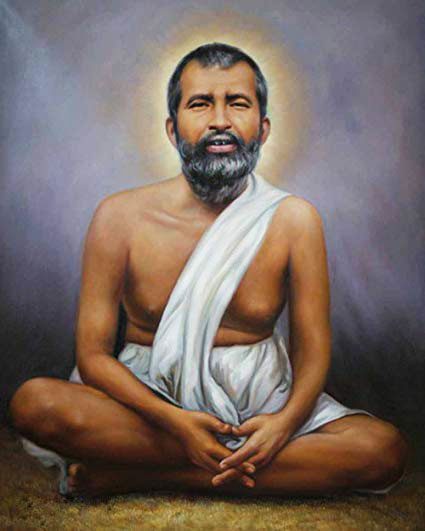
The Embrace of Equality in the Divine Mother
In the profound words of Sri Ramakrishna, "All beings are equal before the Mother," we encounter a powerful declaration of universal equality that transcends the boundaries of individual identity. This statement invites us to reflect on the inherent worth of every being, suggesting that beneath the surface differences of form and circumstance, there exists a fundamental unity. In a world often divided by social, economic, and cultural disparities, this teaching serves as a reminder of our shared essence and the divine presence that nurtures all life.
To delve deeper into this quote is to explore the concept of the Divine Mother, a central figure in Hindu spirituality who embodies compassion, nurturing, and unconditional love. The term "Mother" evokes a sense of intimacy and care, suggesting that the divine is not a distant, abstract force but a nurturing presence that embraces all beings equally. This perspective challenges us to reconsider our relationships with one another and the world, urging us to cultivate a sense of belonging and kinship that honors the divine spark within each individual.
The image / the metaphor
The imagery of "the Mother" in Sri Ramakrishna's quote evokes a nurturing figure who holds all beings in her embrace, suggesting a profound equality that is rooted in love and acceptance. The use of the word "equal" emphasizes that no being is superior or inferior in the eyes of the Divine; rather, each is a unique expression of the same source. This metaphor invites us to envision a world where differences are celebrated rather than judged, where the richness of diversity enhances our collective experience rather than detracts from it.
Going deeper into this metaphor, we can see that the Mother symbolizes not only unconditional love but also the interconnectedness of all life. Just as a mother cares for her children without favoritism, the Divine Mother nurtures all beings, regardless of their circumstances or actions. This understanding encourages us to cultivate compassion and empathy in our interactions, recognizing that every individual is deserving of love and respect, regardless of their life choices or social status.
In the speaker's tradition
Within the context of Sri Ramakrishna's teachings, the notion of equality before the Divine Mother resonates with key concepts such as bhakti (devotion) and dharma (righteousness). Bhakti emphasizes a personal relationship with the divine, fostering a sense of belonging and connection that transcends individual differences. This devotion is rooted in the understanding that all beings are manifestations of the same divine essence, encouraging practitioners to see beyond the illusion of separateness and embrace a more inclusive worldview.
Moreover, this idea finds resonance in various Hindu texts that speak to the unity of all existence. For instance, the Bhagavad Gita teaches that the divine resides in all beings, urging us to act with compassion and understanding. In Chapter 5, Verse 18, it states, "The wise see with equal vision a learned and humble Brahmin, a cow, an elephant, a dog, and a dog-eater." This verse reinforces the notion that true wisdom lies in recognizing the equality of all beings, a sentiment echoed in Sri Ramakrishna's profound declaration.
Living the teaching
In our modern world, the teaching of equality before the Divine Mother can be applied in various contexts, particularly in addressing social injustices. Consider a scenario where individuals from marginalized communities are often overlooked or discriminated against. By embodying the principle that all beings are equal, we can advocate for policies and practices that uplift these communities, ensuring that their voices are heard and their needs are met. This commitment to equality not only fosters social harmony but also aligns with the spiritual understanding that we are all interconnected.
On a more personal level, this teaching can transform our relationships with those closest to us. Imagine a moment of conflict with a loved one, where misunderstandings and hurt feelings create a rift. By recalling the essence of equality before the Divine Mother, we can approach the situation with compassion and humility, recognizing that both parties are deserving of love and understanding. This shift in perspective allows us to navigate difficult moments with grace, fostering deeper connections and healing within our relationships.
A reflection
As we contemplate the profound message of Sri Ramakrishna, we are invited to reflect on our own perceptions of equality and connection. How do we recognize and honor the divine presence in others, especially those who may seem different from us? In what ways can we cultivate a deeper sense of compassion and understanding in our daily interactions? These questions encourage us to engage with the world from a place of love and equality, embodying the teachings of the Divine Mother in our lives.


