The Paradox of Knowledge and Love: A Journey Toward the Divine
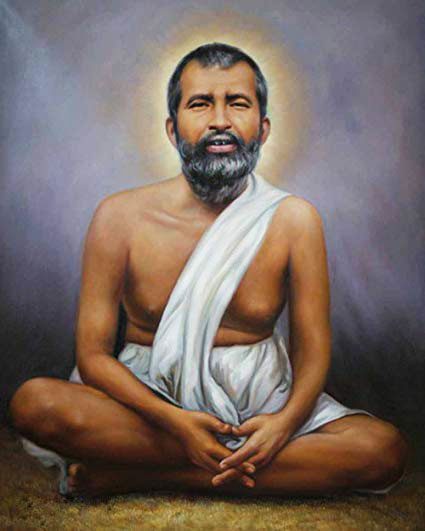
Sri Ramakrishna's profound assertion, "All knowledge ends in ignorance. All love ends in God," invites us to reflect on the intricate relationship between our understanding of the world and our capacity to love. At first glance, this statement may seem paradoxical, suggesting that the more we know, the less we truly grasp. Yet, it highlights a crucial spiritual truth: the limitations of intellectual knowledge and the boundless nature of divine love. This exploration matters deeply in our quest for meaning, as it challenges us to reconsider the foundations of our understanding and the essence of our connections with others and the divine.
In a world that often prioritizes knowledge as a measure of success, Ramakrishna's words serve as a gentle reminder of the ultimate futility of intellectual pursuits when divorced from love. Knowledge, while valuable, can lead to a sense of separation and disconnection, whereas love, particularly in its highest form, draws us closer to the divine. This dichotomy between knowledge and love invites us to embark on a spiritual journey that transcends mere intellectualism, urging us to seek a deeper, more profound relationship with the universe and the divine presence that permeates it.
The image / the metaphor
The imagery in Ramakrishna's quote evokes a sense of journey and transformation. The phrase "all knowledge ends in ignorance" suggests a cyclical nature of understanding, where the more we learn, the more we realize the vastness of what we do not know. This evokes a feeling of humility, as we confront the limits of our intellect. In contrast, the assertion that "all love ends in God" paints a picture of love as a pathway leading us toward a greater reality, one that transcends our individual experiences and connects us to the divine essence.
Diving deeper into the metaphor, we can see that knowledge, when pursued without love, can become a burden, leading to arrogance or despair. It is a reminder that intellectual pursuits, while important, can often lead us astray if they do not foster compassion and connection. Conversely, love is portrayed as a unifying force, a bridge that connects the finite human experience with the infinite divine. This duality encourages us to embrace both knowledge and love, recognizing that true wisdom lies in the harmonious integration of the two.
In the speaker's tradition
Within the context of Hindu philosophy, Ramakrishna's insights resonate deeply with concepts such as bhakti (devotion) and prajna (wisdom). Bhakti emphasizes the importance of love and devotion as pathways to realizing the divine, while prajna represents the wisdom that arises from direct experience rather than mere intellectual understanding. This interplay between love and knowledge is central to the spiritual journey, as it invites practitioners to cultivate a heart-centered approach to their quest for truth.
Moreover, the notion of kenosis, or self-emptying, aligns with Ramakrishna's assertion. To truly love, one must let go of the ego and the need for intellectual validation, allowing oneself to be filled with divine love. This concept is echoed in texts such as the Bhagavad Gita, where the importance of surrendering to the divine will is emphasized. In this light, Ramakrishna's quote serves as a reminder that the ultimate goal of both knowledge and love is to dissolve the boundaries of the self and merge with the divine essence.
Living the teaching
Consider a modern scenario where an individual is deeply engrossed in their academic pursuits, striving for recognition and success. This person may accumulate vast amounts of knowledge, yet feel a profound sense of emptiness or disconnection from others. In this context, Ramakrishna's teaching serves as a poignant reminder that intellectual achievements alone cannot fulfill the human spirit. It invites this individual to seek connections through love, compassion, and service, transforming their knowledge into a means of fostering relationships and understanding the divine presence in all beings.
In a different application, imagine a couple navigating a challenging moment in their relationship. They may find themselves caught in a cycle of misunderstandings, relying on their knowledge of each other's flaws rather than embracing the love that initially brought them together. Here, the teaching of Ramakrishna encourages them to transcend their intellectual assessments and reconnect through love, recognizing that true understanding arises not from analysis but from the heart. By fostering an atmosphere of love and compassion, they can navigate their difficulties and deepen their bond, ultimately leading them closer to the divine.
A reflection
As we contemplate Ramakrishna's profound words, we are invited to reflect on our own lives: How often do we prioritize knowledge over love? In what ways can we cultivate a deeper sense of connection with others and the divine? These questions challenge us to examine our motivations and the ways we engage with the world, urging us to embrace love as the guiding force in our spiritual journey. By doing so, we may find that our understanding expands, leading us toward a more profound experience of the divine.


