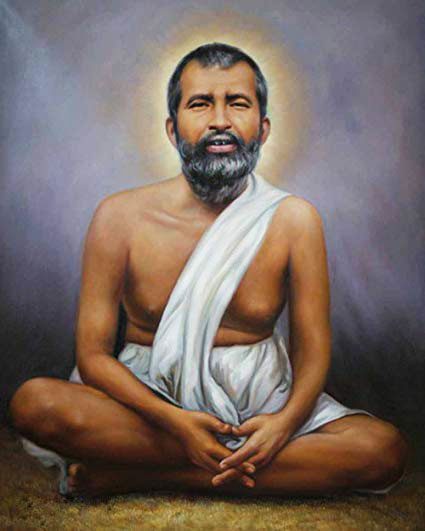
The Yearning Heart: A Path to Divine Encounter
Sri Ramakrishna's poignant assertion, "Cry to the Lord with an intensely yearning heart and you will certainly see Him," invites us into a profound exploration of longing and devotion. This statement encapsulates the essence of spiritual pursuit, suggesting that the depth of our yearning can lead to an authentic encounter with the divine. In a world often distracted by superficial engagements, this call to heartfelt longing serves as a reminder of the transformative power of sincere devotion.
At its core, this quote speaks to the universal human experience of seeking connection—whether with the divine, oneself, or others. The intensity of our yearning is not merely an emotional state; it is a spiritual catalyst that propels us toward deeper understanding and realization. In this light, Sri Ramakrishna's words resonate with anyone who has ever felt the ache of separation from the sacred, urging us to embrace our longing as a pathway to fulfillment.
The image / the metaphor
The imagery in Sri Ramakrishna's quote is rich and evocative, conjuring a vision of a soul in fervent supplication. The act of "crying" suggests a raw, unfiltered expression of desire, while the phrase "intensely yearning heart" conveys a sense of urgency and depth. This is not a casual request; it is a passionate plea that emerges from the very core of one's being. The use of the word "see" implies a transformative encounter, one that transcends mere observation and invites a profound communion with the divine.
Diving deeper into the metaphor, we can understand this yearning as a reflection of the soul's innate desire for union with the divine. In many spiritual traditions, including Hinduism, the heart is seen as the seat of devotion and love. Thus, to "cry to the Lord" is to engage in a dynamic relationship, where the seeker opens themselves to the possibility of divine grace. This yearning is not a sign of weakness but rather an acknowledgment of the soul's true nature, which longs to return to its source.
In the speaker's tradition
Within the context of Hindu philosophy, Sri Ramakrishna's teaching aligns closely with the concept of bhakti, or devotion. Bhakti emphasizes a personal relationship with the divine, characterized by love, surrender, and an intense longing for connection. This longing is often viewed as a necessary precursor to spiritual awakening, echoing the teachings found in texts such as the Bhagavad Gita, where Krishna encourages Arjuna to surrender his will to the divine will. The interplay of yearning and divine grace is a central theme in the path of bhakti, illustrating how the heart's desire can lead to profound spiritual insights.
Moreover, the notion of kenosis, or self-emptying, resonates with this teaching. In the act of crying out to the Lord, one must let go of ego and personal desires, creating space for divine presence. This echoes the teachings of the Upanishads, which speak of the ultimate realization of oneness with Brahman, the universal spirit. The journey of longing, therefore, is not just about seeking but also about surrendering, allowing the divine to fill the void left by our yearning.
Living the teaching
Consider a modern scenario where this teaching might resonate: a person grappling with feelings of isolation and disconnection in their life. In moments of despair, they might find themselves reaching out in prayer or meditation, expressing their deep longing for connection and understanding. This act of crying out, whether through words or silence, becomes a transformative practice, allowing them to confront their feelings and open themselves to the possibility of divine presence. Through this process, they may discover that their yearning is not a burden but a bridge to deeper self-awareness and connection.
Another application of this teaching can be found in relationships, particularly during times of conflict or misunderstanding. When we approach a loved one with an intensely yearning heart, seeking to understand rather than to be understood, we create space for healing and reconciliation. This heartfelt approach fosters empathy and compassion, allowing both parties to connect on a deeper level. In daily practice, whether through prayer, meditation, or sincere dialogue, the act of yearning becomes a powerful tool for nurturing relationships and fostering spiritual growth.
A reflection
As we contemplate Sri Ramakrishna's profound invitation, we might ask ourselves: What does it mean to cry out with an intensely yearning heart in our own lives? In what areas do we feel a deep longing for connection, understanding, or divine presence? This question invites us to explore the depths of our own hearts, encouraging us to embrace our yearnings as sacred pathways leading us toward greater awareness and fulfillment.


