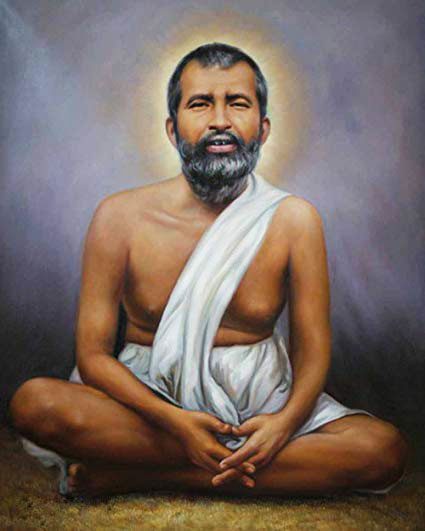
The Eternal Longing: A Journey Beyond Materiality
In the profound words of Sri Ramakrishna, "Even when you no longer have any longing for material things, never forget your longing for God." This statement invites us to explore the depths of our desires and the nature of true fulfillment. It suggests that while the pursuit of worldly possessions may fade, the yearning for the divine must remain a central focus in our lives. This distinction is crucial, as it highlights the transformative journey from the ephemeral to the eternal, urging us to cultivate a deeper spiritual longing that transcends the material realm.
Ramakrishna's insight resonates deeply in a world often preoccupied with the accumulation of wealth and status. As we navigate through life, it is easy to become ensnared in the allure of materialism, losing sight of our spiritual aspirations. Yet, the essence of this quote reminds us that the longing for God is not merely an abstract concept but a vital force that can guide us toward a more meaningful existence. This longing serves as a compass, directing our hearts and minds toward the divine, even as we let go of our attachments to the transient pleasures of the world.
The image / the metaphor
At the heart of Ramakrishna's quote lies a rich tapestry of imagery and emotion. The juxtaposition of "longing for material things" against "longing for God" evokes a sense of duality that is intrinsic to the human experience. The verbs chosen—"have" and "forget"—imply a dynamic relationship with our desires, suggesting that while we may relinquish our attachment to the material, the spiritual longing is something to be actively nurtured and remembered. This imagery invites us to visualize our spiritual journey as a path where the burdens of materialism are shed, making way for a more profound connection with the divine.
Diving deeper into the metaphor, we can perceive longing as a bridge that connects our earthly existence with the transcendent. Just as a river flows toward the ocean, our longing for God propels us toward a greater understanding of our purpose and place in the universe. This longing is not a passive state but an active engagement with the divine, a yearning that fuels our spiritual practices and deepens our devotion. In this sense, the quote serves as a reminder that while the material world may offer temporary satisfaction, it is the longing for God that ultimately nourishes our souls and leads us to true fulfillment.
In the speaker's tradition
To fully appreciate the depth of Ramakrishna's teaching, we must situate it within the broader context of Hindu philosophy and spirituality. Concepts such as bhakti, or devotion, play a pivotal role in this tradition, emphasizing the importance of a heartfelt longing for the divine. Bhakti is not merely an emotional state; it is an active practice that cultivates a relationship with God, allowing the devotee to experience the divine presence in everyday life. This longing for God, as articulated by Ramakrishna, aligns with the principles of dharma, where one's duty is to seek and honor the divine in all aspects of existence.
Moreover, the notion of kenosis, or self-emptying, resonates with Ramakrishna's message. By relinquishing our attachment to material desires, we create space for the divine to enter our lives. This idea echoes the teachings found in the Bhagavad Gita, where the pursuit of spiritual knowledge and devotion is emphasized as a means to transcend the limitations of the material world. In this light, Ramakrishna's quote serves as a clarion call to embrace our longing for God as a fundamental aspect of our spiritual journey, guiding us toward liberation and enlightenment.
Living the teaching
Consider a modern scenario where this teaching can be applied: an individual who has achieved professional success yet feels a persistent emptiness. Despite the accolades and material comforts, there remains an unfulfilled longing that no amount of wealth can satiate. In this context, Ramakrishna's words resonate profoundly, encouraging the individual to redirect their focus from external achievements to an inner quest for spiritual connection. By recognizing that true fulfillment lies not in material possessions but in the longing for God, they can embark on a transformative journey toward deeper meaning and purpose.
Another application of this teaching can be found in relationships, particularly during challenging moments. When faced with conflict or disconnection, one might reflect on their longing for God as a guiding principle. By fostering a sense of divine love and compassion, individuals can navigate their relationships with greater empathy and understanding. This shift in perspective allows for the cultivation of a deeper bond, rooted not in material expectations but in a shared spiritual journey. In this way, the longing for God becomes a source of strength and resilience, illuminating the path through life's complexities.
A reflection
As we contemplate the essence of Ramakrishna's quote, we are invited to reflect on our own longings. What does it mean for us to prioritize our longing for God amidst the distractions of the material world? In this moment of introspection, we might ask ourselves: How can we cultivate a deeper awareness of our spiritual desires, allowing them to guide our actions and choices? This contemplative question serves as a gentle reminder to nurture our longing for the divine, ensuring that it remains a central focus in our lives, illuminating our path toward true fulfillment.


