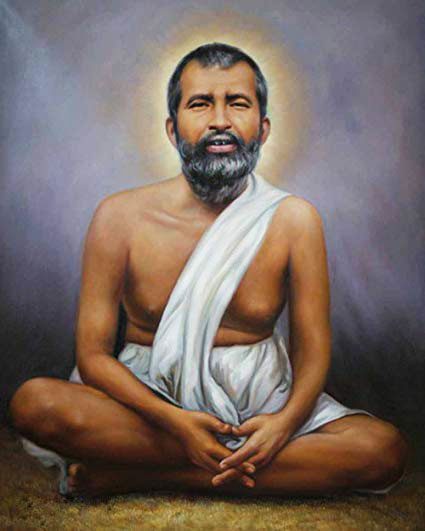
Embracing Divine Vanity: A Path to Humility
In the words of Sri Ramakrishna, "If you have to be vain, be vain of God's love." This profound statement invites us to reconsider the nature of vanity itself, suggesting that if one must indulge in self-importance, it should be rooted in the recognition of divine affection. In a world often preoccupied with superficial accolades and external validation, this teaching offers a transformative perspective on self-worth, urging us to anchor our sense of value in the boundless love of the divine. It beckons us to transcend the ego's demands and find solace in a love that is both nurturing and humbling.
Ramakrishna's assertion serves as a gentle reminder that our self-perception can be shaped by the most profound of relationships—the one we hold with the divine. This perspective not only elevates our understanding of vanity but also redefines it as a celebration of the divine connection that exists within each of us. By embracing this form of vanity, we are invited to cultivate a sense of humility that is deeply rooted in love, allowing us to navigate our lives with grace and compassion, rather than the often isolating tendencies of pride.
The image / the metaphor
At first glance, the imagery in Ramakrishna's quote may seem paradoxical. Vanity, typically associated with arrogance and self-obsession, is here reframed as a potential source of spiritual nourishment. The verb "be" suggests a state of existence rather than mere action, indicating that this form of vanity is not fleeting or superficial but rather a deep-seated acknowledgment of God's love. This love, in its essence, is expansive and inclusive, inviting us to bask in its warmth while simultaneously reminding us of our interconnectedness with all beings.
Diving deeper into the metaphor, we can see that this "vanity" is not about boasting or seeking recognition from others; rather, it is an invitation to revel in the divine affection that surrounds us. It encourages us to cultivate a sense of pride that is not self-centered but rather rooted in the understanding that we are cherished by a higher power. This perspective allows us to shift our focus from the ego's incessant need for validation to a more profound appreciation of the love that sustains us, fostering a sense of humility that is both liberating and empowering.
In the speaker's tradition
To fully appreciate Ramakrishna's teaching, we must situate it within the rich tapestry of Hindu philosophy, particularly the concepts of bhakti and dharma. Bhakti, or devotion, emphasizes a personal relationship with the divine, encouraging practitioners to express their love and reverence through acts of devotion and surrender. This aligns beautifully with Ramakrishna's notion of being "vain" about God's love, as it invites us to celebrate our connection to the divine while remaining humble in our recognition of its vastness. Dharma, the moral and ethical path, further supports this teaching by guiding us to act in ways that honor our relationship with the divine and with others.
In the context of sacred texts, we can draw parallels to the Bhagavad Gita, where Krishna speaks of surrendering to divine will as a means of achieving liberation. The Gita teaches that true humility arises from recognizing our place within the greater cosmic order, allowing us to embrace our divine connection without falling prey to the ego's demands. This interplay between love, humility, and devotion is central to Ramakrishna's message, inviting us to cultivate a life that reflects our understanding of God's love.
Living the teaching
Consider a modern scenario where this teaching might resonate: a professional setting where competition and ambition often overshadow collaboration and compassion. In such an environment, one might feel the pressure to assert their worth through accolades and achievements. However, by embracing the idea of being "vain" about God's love, an individual can shift their focus from personal ambition to a deeper appreciation of the divine presence in their work. This perspective fosters a sense of community and shared purpose, allowing individuals to celebrate each other's successes as reflections of the divine love that permeates their lives.
Another application of this teaching can be found in personal relationships, particularly during moments of conflict or misunderstanding. When faced with challenges, one might be tempted to cling to pride or resentment. However, by remembering to be "vain" of God's love, we can approach these situations with a spirit of humility and compassion. This shift allows us to recognize the divine spark in ourselves and others, fostering forgiveness and understanding. In daily practice, this could manifest as a simple reminder to pause and reflect on the love that binds us all, transforming our interactions into opportunities for growth and connection.
A reflection
As we contemplate Ramakrishna's profound teaching, we are invited to explore the nature of our own self-worth. How often do we seek validation from external sources, and how might our lives change if we anchored our sense of value in the love of the divine? This question encourages us to reflect on our relationships, our ambitions, and our daily practices, inviting us to cultivate a deeper understanding of what it means to be truly humble and connected to the source of all love.


