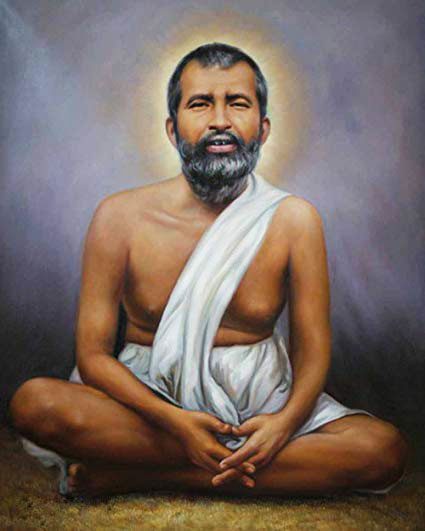
The Wisdom of the Mind: A Journey to Emancipation
Sri Ramakrishna's assertion that "It is the mind that makes one wise or ignorant, bound or emancipated" invites us to reflect on the profound role our mental landscape plays in shaping our experience of reality. This statement underscores the pivotal influence of our thoughts and perceptions, suggesting that our understanding of freedom and bondage is intrinsically linked to the workings of the mind. In a world often dominated by external circumstances, this insight beckons us to turn inward, recognizing that true liberation begins with the cultivation of wisdom within.
As we delve deeper into this quote, we uncover layers of meaning that resonate with the essence of human existence. The mind, as both a tool and a barrier, can either illuminate the path to enlightenment or ensnare us in ignorance. This duality is not merely a philosophical abstraction; it is a lived reality that shapes our relationships, decisions, and ultimately, our spiritual journey. Understanding the mind's role in our quest for wisdom and freedom is not just an intellectual exercise; it is a transformative practice that can lead to profound shifts in our lives.
The image / the metaphor
At the heart of Ramakrishna's quote lies a vivid metaphor that encapsulates the dynamic nature of the mind. The verbs "makes," "wise," "ignorant," "bound," and "emancipated" evoke a sense of agency and transformation. The mind is portrayed as a sculptor, shaping our perceptions and experiences with each thought we entertain. This imagery invites us to consider how our mental habits can either construct a prison of ignorance or carve out a pathway to liberation, emphasizing the active role we play in our own spiritual development.
Diving deeper into this metaphor, we can see the mind as a garden, where thoughts are seeds that either flourish into wisdom or wither into ignorance. The cultivation of this garden requires mindfulness and intention, as we choose which seeds to nurture and which to uproot. In this sense, the mind is not a passive observer but an active participant in the unfolding of our lives, capable of both binding us to suffering and freeing us to experience the fullness of existence.
In the speaker's tradition
Sri Ramakrishna's teachings are deeply rooted in the rich tapestry of Hindu philosophy, where concepts such as dharma, bhakti, and prajna illuminate the path to self-realization. The notion that the mind can either bind or liberate aligns with the teachings of Advaita Vedanta, which emphasizes the illusory nature of the ego and the importance of transcending mental constructs to realize one's true self. In this context, wisdom (prajna) is not merely intellectual knowledge but a profound understanding of the interconnectedness of all beings, leading to a state of liberation (moksha).
Furthermore, the Bhagavad Gita echoes this sentiment, particularly in its exploration of the mind's role in the pursuit of yoga. Krishna advises Arjuna to master his mind, illustrating that self-control and discernment are essential for achieving clarity and purpose. This interplay between the mind and spiritual practice highlights the necessity of cultivating awareness and discipline as we navigate the complexities of life, ultimately guiding us toward a state of emancipation.
Living the teaching
Consider a modern scenario where this teaching resonates: a professional facing overwhelming stress and self-doubt. In such moments, the mind can spiral into a cycle of negativity, reinforcing feelings of inadequacy and bondage. However, by recognizing that these thoughts are not absolute truths but rather mental constructs, one can begin to cultivate a more empowering narrative. This shift in perspective allows for the possibility of growth and resilience, illustrating how the mind can be a source of wisdom rather than a prison of ignorance.
In relationships, the impact of the mind's workings becomes equally evident. When conflicts arise, it is often our perceptions and interpretations that fuel misunderstandings. By practicing mindfulness and empathy, we can transform our responses, choosing to see the situation through a lens of compassion rather than judgment. This conscious engagement with our thoughts not only fosters healthier connections but also embodies the essence of Ramakrishna's teaching, demonstrating how the mind can lead us toward deeper understanding and liberation.
A reflection
As we contemplate the profound implications of Sri Ramakrishna's words, we are invited to engage in a reflective practice: What thoughts or beliefs are currently binding me, and how can I cultivate a mindset that fosters wisdom and freedom? This question encourages us to examine the narratives we hold about ourselves and the world, challenging us to discern which serve our highest good. In this inquiry lies the potential for transformation, as we learn to navigate the complexities of our minds with greater awareness and intention.


