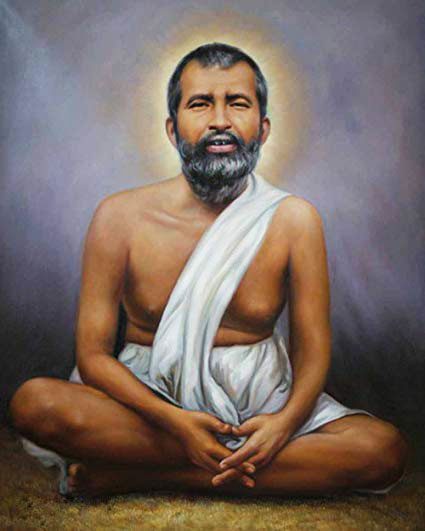
Embracing Discernment: The Wisdom of Sri Ramakrishna
In the profound words of Sri Ramakrishna, "It is true that God is even in the tiger; but we must not embrace the tiger on that account." This statement invites us to reflect on the dual nature of existence, where divinity permeates all aspects of life, including those that may seem fearsome or dangerous. The stakes of this teaching are high; it challenges us to cultivate discernment in our spiritual journey, urging us to recognize the divine presence while also understanding the necessity of caution and wisdom in our interactions with the world.
Ramakrishna's insight speaks to the heart of spiritual practice, where the recognition of the divine in all things does not equate to blind acceptance or uncritical engagement. It is a call to navigate the complexities of life with awareness and prudence. In a world filled with distractions and potential dangers, this teaching serves as a reminder that while we may find the sacred in unexpected places, we must also exercise discernment to protect our spiritual integrity and well-being.
The image / the metaphor
The imagery of the tiger in Ramakrishna's quote is striking and evocative. The tiger, a symbol of power and ferocity, represents the aspects of life that can be both alluring and perilous. The verb "embrace" suggests a deep connection or acceptance, yet in this context, it is tempered by caution. The felt sense of the quote is one of balance; it acknowledges the presence of divinity in all creatures while simultaneously warning against the dangers of uncritical acceptance of everything that appears to embody that divinity.
In the speaker's tradition
Within the rich tapestry of Hindu philosophy, Ramakrishna's teaching resonates deeply with concepts such as dharma and prajna. Dharma, often translated as righteousness or duty, emphasizes the importance of living in accordance with moral and ethical principles. Prajna, or wisdom, is the discernment that allows us to navigate the complexities of life with clarity and insight. Together, these concepts underscore the necessity of understanding our place in the world and the divine presence that permeates all things, while also recognizing the need for discernment in our actions.
Ramakrishna's insights can also be illuminated through the lens of the Bhagavad Gita, where Lord Krishna advises Arjuna to act with wisdom and discernment in the face of moral dilemmas. The Gita teaches that recognizing the divine in all beings does not absolve us from the responsibility of making wise choices. This alignment with dharma and the cultivation of prajna are essential for living a life that honors both the divine and the complexities of human existence.
Living the teaching
Consider a modern scenario where this teaching finds relevance: a person is drawn to a new social group that appears vibrant and welcoming. However, as they engage more deeply, they begin to notice troubling behaviors and values that contradict their own principles. In this situation, the wisdom of Ramakrishna serves as a guide; while the divine may be present in the community, it is crucial to discern whether this environment aligns with one’s own spiritual path. Embracing the tiger here means recognizing the potential for both connection and danger, and choosing wisely how to engage.
Another application of this teaching can be found in personal relationships. Imagine a friendship that initially feels supportive and uplifting but gradually reveals toxic patterns. The divine presence may be acknowledged in the shared moments of joy, yet the discernment to step back and reassess the relationship is vital. Ramakrishna’s quote reminds us that while we can appreciate the beauty of connection, we must also protect our inner peace and spiritual integrity by not embracing what ultimately harms us.
A reflection
As we contemplate Ramakrishna's profound words, we are invited to ask ourselves: In what areas of my life am I embracing the tiger, and how can I cultivate greater discernment? This question encourages a deep introspection, prompting us to examine our relationships, choices, and the environments we inhabit. By engaging with this inquiry, we can begin to navigate our spiritual journeys with greater wisdom, honoring the divine presence while remaining vigilant against the potential dangers that may arise.


