The Weight of Pride: A Pathway to Humility
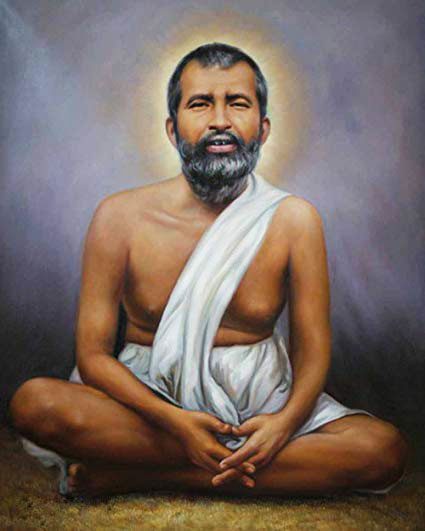
Sri Ramakrishna's assertion that "Pride is the cause of all our miseries" invites us to examine the intricate relationship between our sense of self and our experience of suffering. In a world that often celebrates individual achievement and self-assertion, this statement serves as a profound reminder of the burdens that pride can impose. It challenges us to reflect on how our inflated sense of self can lead to discontent, isolation, and ultimately, a disconnection from the deeper truths of existence.
As we delve into this teaching, we uncover the layers of meaning that pride encompasses. It is not merely an emotion but a complex state of being that can distort our perceptions and relationships. By recognizing pride as a source of misery, we are invited to cultivate humility—a quality that fosters connection, understanding, and peace. This exploration is not just an intellectual exercise; it is a call to transform our lives through the practice of humility, allowing us to navigate the world with grace and compassion.
The image / the metaphor
The imagery in Sri Ramakrishna's quote evokes a sense of heaviness associated with pride. The word "cause" suggests a direct link between pride and the miseries we endure, as if pride were a weight that drags us down into despair. This metaphorical weight can manifest in various forms—arrogance, entitlement, and an inflated ego—each contributing to a sense of isolation and suffering. The verbs chosen here imply action; pride is not a passive state but an active force that shapes our experiences and interactions.
Diving deeper into the metaphor, we can see pride as a barrier that obscures our vision of reality. It creates a false sense of superiority that blinds us to our interconnectedness with others. When we cling to pride, we erect walls around ourselves, preventing the flow of love and understanding that humility can foster. Thus, the metaphor extends beyond personal suffering; it speaks to the collective human experience of disconnection and the yearning for unity that lies beneath our prideful façades.
In the speaker's tradition
Within the context of Hindu philosophy, Sri Ramakrishna's teaching resonates with the concepts of dharma and bhakti. Dharma, or righteous living, emphasizes the importance of humility as a guiding principle in our actions and interactions. When we align ourselves with our true purpose, we recognize that pride is a deviation from our dharma, leading us away from our authentic selves. Bhakti, the path of devotion, further underscores the necessity of humility, as true devotion requires surrendering the ego and embracing a sense of oneness with the divine.
This teaching finds echoes in the Bhagavad Gita, where Lord Krishna advises Arjuna to relinquish his pride and act according to his dharma. In Chapter 3, Verse 19, Krishna states, "Therefore, without being attached to the fruits of activities, one should act according to duty, for by working without attachment, one attains the Supreme." Here, we see a direct correlation between humility in action and the attainment of spiritual fulfillment, reinforcing the idea that pride obstructs our path to enlightenment.
Living the teaching
Consider a modern scenario where pride manifests in the workplace. An individual may feel a sense of superiority over colleagues due to their achievements or expertise, leading to a toxic environment marked by competition and resentment. This pride can cloud judgment, hinder collaboration, and ultimately result in personal dissatisfaction. By recognizing the role of pride in such situations, one can consciously choose to adopt a more humble approach, fostering teamwork and mutual respect, which can transform the workplace into a space of growth and support.
In personal relationships, pride can similarly create barriers. Imagine a disagreement between friends where one party refuses to apologize due to a sense of being "right." This pride can lead to prolonged conflict and emotional distance. By embracing humility and acknowledging the value of the other person's perspective, reconciliation becomes possible. This practice of humility not only heals relationships but also deepens our understanding of love and connection, allowing us to transcend the limitations imposed by pride.
A reflection
As we contemplate Sri Ramakrishna's profound insight, we are left with a contemplative question: In what areas of your life might pride be causing you suffering, and how can you cultivate humility to transform those experiences? This inquiry invites us to look inward, examining the ways in which our ego may be obstructing our path to joy and connection. By engaging with this question, we open ourselves to the possibility of profound personal and spiritual growth, allowing humility to guide us toward a more harmonious existence.


