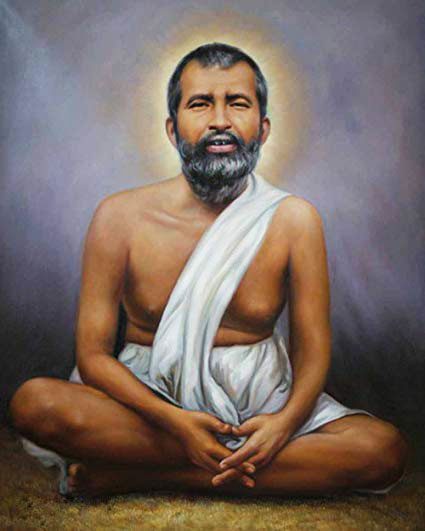
The Path of Surrender: A Journey to Divine Realization
In the profound words of Sri Ramakrishna, "Surrender yourself to God, and you will see Him," we are invited into a transformative relationship with the divine. This call to surrender is not merely an act of relinquishing control; it is an invitation to engage deeply with the essence of existence. The stakes are high, as this surrender promises not only a glimpse of the divine but also a profound shift in our understanding of self and reality. In a world often characterized by striving and resistance, this teaching offers a pathway to peace and clarity.
To surrender oneself to God is to embrace a radical openness, a willingness to let go of the ego's incessant demands and the illusions of separateness. It is a call to trust in a greater wisdom, one that transcends our limited perceptions. This surrender is not passive; rather, it is an active engagement with the divine presence that permeates all aspects of life. In this light, the quote becomes a beacon, illuminating the path toward spiritual realization and inviting us to explore the depths of our own being.
The image / the metaphor
At the heart of Sri Ramakrishna's quote lies the imagery of surrender, a powerful verb that evokes a sense of yielding and trust. To "surrender yourself" suggests a complete offering of one's will and desires, a laying down of arms in the battle against the divine. The phrase "you will see Him" implies a promise of revelation, a direct encounter with the divine presence that is often obscured by our own attachments and fears. This imagery invites us to consider the nature of our relationship with the divine: are we approaching it with open hearts or clenched fists?
Diving deeper into the metaphor, we can see that surrender is not an end in itself but a means to a profound realization. It is akin to the act of diving into the ocean; only by relinquishing our hold on the surface can we experience the depths below. In this sense, surrender becomes a transformative act, allowing us to transcend the limitations of our individual selves and to experience the interconnectedness of all existence. The promise of seeing God is not merely about vision; it is about awakening to a reality that has always been present, waiting for us to recognize it.
In the speaker's tradition
Situated within the rich tapestry of Hindu philosophy, Sri Ramakrishna's teaching resonates with several key concepts, such as bhakti, or devotion, and the notion of kenosis, which refers to the self-emptying of one's own will. In the context of dharma, surrendering to God aligns with the understanding that true fulfillment comes from aligning oneself with the greater cosmic order. This surrender is not a loss of identity but rather a deepening of it, as we come to understand ourselves as part of a larger divine play.
Furthermore, this teaching echoes the wisdom found in texts such as the Bhagavad Gita, where Lord Krishna advises Arjuna to surrender his ego and act according to his dharma. In Chapter 18, verse 66, Krishna states, "Abandon all varieties of religion and just surrender unto Me." This call to surrender is not a rejection of one's duties but an invitation to perform them with a heart aligned with the divine will. Thus, Sri Ramakrishna's words serve as a contemporary reminder of this timeless wisdom, urging us to embrace surrender as a path to spiritual awakening.
Living the teaching
In our modern lives, the teaching of surrender can manifest in various scenarios, particularly in moments of uncertainty and anxiety. Consider a situation where one is faced with a significant life decision—perhaps a career change or a relationship challenge. The instinct may be to cling tightly to control, to weigh every option meticulously, and to fear the unknown. However, by practicing surrender, one can cultivate a sense of trust in the unfolding of life, allowing for a more intuitive and less anxious approach to decision-making. This does not mean abandoning responsibility; rather, it is about releasing the need to control outcomes and trusting in a higher wisdom.
Another application of this teaching can be found in the realm of relationships. In times of conflict or misunderstanding, the urge to defend oneself or to assert one's perspective can create barriers to connection. By embracing the principle of surrender, one can approach the relationship with humility and openness, allowing for a deeper understanding of the other person’s experience. This act of surrendering one's ego in favor of empathy can transform the dynamic, fostering healing and reconciliation. In both personal and interpersonal contexts, surrender becomes a powerful tool for cultivating peace and deeper connection.
A reflection
As we contemplate the profound invitation embedded in Sri Ramakrishna's words, we might ask ourselves: What does it mean for me to surrender to the divine in my daily life? This question invites us to explore the areas where we cling to control and the fears that hold us back from experiencing the fullness of life. In this exploration, we may find that surrender is not a destination but a continuous journey, one that leads us closer to the divine presence that is always within reach.


