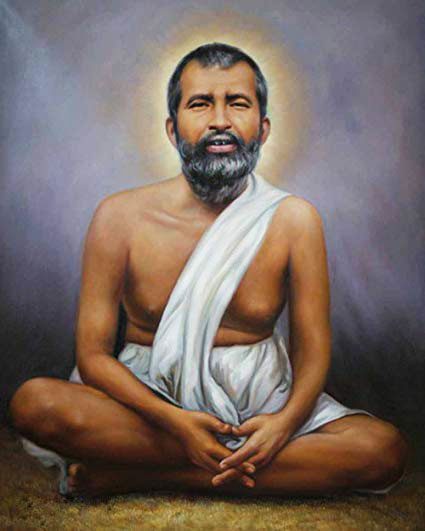
The Heart of Devotion: A Journey Beyond the Self
In the profound words of Sri Ramakrishna, "True devotion to God is the only thing that matters." This statement encapsulates the essence of spiritual life, suggesting that all other pursuits pale in comparison to the depth of genuine devotion. In a world often distracted by material concerns and fleeting pleasures, this call to focus on the divine invites us to reassess our priorities and the very nature of our existence. It challenges us to consider what it means to truly devote ourselves to something greater than ourselves.
Delving deeper, we find that this devotion is not merely an act of worship or ritual; it is a profound relationship that transforms the devotee. It speaks to the heart of bhakti, the path of love and devotion in Hinduism, where the relationship between the devotee and the divine is characterized by intimacy, surrender, and a yearning for union. In this light, Ramakrishna's assertion becomes a beacon, guiding seekers toward a life imbued with purpose and connection, urging us to cultivate a heart that beats in rhythm with the divine.
The image / the metaphor
At first glance, the quote presents a straightforward declaration about the primacy of devotion. The term "true devotion" evokes a sense of authenticity and depth, suggesting that not all expressions of devotion carry the same weight. The verb "matters" implies a hierarchy of values, where devotion stands as the cornerstone of spiritual fulfillment. This imagery invites us to visualize devotion as a flame, one that can either flicker weakly or burn brightly, illuminating the path toward the divine.
Going deeper, we can see that this metaphor of devotion as a flame also speaks to the transformative power it holds. Just as a flame can consume and purify, true devotion has the capacity to burn away the ego and the distractions of the material world. It is a force that can ignite the heart, leading to a profound awakening and a sense of oneness with all that is. In this way, Ramakrishna's words resonate as an invitation to cultivate a fire within, one that fuels our spiritual journey and guides us toward the ultimate truth.
In the speaker's tradition
To fully appreciate Ramakrishna's assertion, we must situate it within the rich tapestry of Hindu philosophy. Central to this tradition is the concept of bhakti, which emphasizes love and devotion as the primary means of connecting with the divine. This path is often contrasted with jnana, or knowledge, and karma, or action, suggesting that while these paths are valuable, it is devotion that ultimately leads to liberation. In this context, Ramakrishna's words serve as a reminder that the heart's yearning for the divine transcends intellectual understanding and moral action.
Moreover, we can draw parallels to the teachings found in the Bhagavad Gita, where Lord Krishna emphasizes the importance of surrendering to the divine will. In Chapter 18, verse 66, Krishna advises Arjuna to abandon all forms of religion and simply surrender to Him. This echoes Ramakrishna's sentiment, reinforcing the idea that true devotion is not merely about adherence to rituals or doctrines but about cultivating a deep, personal relationship with the divine. It is in this surrender that one finds the essence of spiritual life.
Living the teaching
Consider a modern scenario where this teaching might resonate: a busy professional, overwhelmed by the demands of work and life, finds themselves feeling disconnected and unfulfilled. In the pursuit of success, they may have neglected their spiritual practice, leading to a sense of emptiness. By embracing Ramakrishna's teaching, this individual might begin to prioritize moments of devotion—whether through prayer, meditation, or acts of kindness—recognizing that these practices are not just rituals but essential to their well-being and sense of purpose.
In another context, think of a relationship strained by misunderstandings and ego clashes. Here, the application of true devotion can manifest as a commitment to love and understanding, transcending personal grievances. By approaching the relationship with a spirit of devotion—seeing the divine in the other person—one can foster compassion and healing. This shift in perspective aligns with Ramakrishna's teaching, illustrating that devotion can transform not only our relationship with the divine but also our interactions with those around us.
A reflection
As we contemplate the depth of Ramakrishna's assertion, we are invited to reflect on our own lives: What does true devotion mean to us? In what ways can we cultivate a deeper relationship with the divine, and how might this transform our daily experiences? By engaging with these questions, we open ourselves to the possibility of a more profound spiritual journey, one that prioritizes the heart's longing for connection and love.


