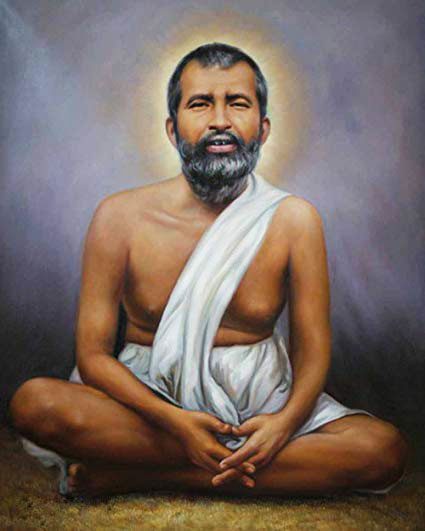
Unraveling the Unattached Heart
In the words of Sri Ramakrishna, "When water is poured on lotus leaves, it does not stick. The man of God is similarly unattached." This profound statement invites us to explore the nature of non-attachment, a central tenet in spiritual practice. It suggests that just as water glides off the surface of a lotus leaf, a spiritually awakened individual navigates life without becoming ensnared by its transient pleasures and pains. Understanding this concept is crucial, as it illuminates the path toward inner peace and liberation from the cycles of desire and suffering.
Ramakrishna's metaphor not only highlights the essence of non-attachment but also serves as a reminder of the fluidity of existence. In a world where we often cling to material possessions, relationships, and even our own identities, this teaching encourages us to cultivate a sense of detachment that does not equate to indifference. Instead, it invites us to engage with life fully while remaining grounded in a deeper understanding of impermanence. This balance is essential for anyone seeking a more profound spiritual experience.
The image / the metaphor
The imagery of water on lotus leaves is rich and evocative. The lotus, a symbol of purity and enlightenment in many Eastern traditions, grows in muddy waters yet remains untouched by them. This juxtaposition of the pure and the impure serves as a powerful metaphor for the spiritual aspirant. The verbs "poured" and "stick" evoke a sense of action and consequence, illustrating how external forces interact with the inner state of being. The water represents the myriad experiences and challenges of life, while the lotus leaf embodies the soul's capacity to remain unaffected by these externalities.
Diving deeper into this metaphor, we see that the lotus leaf's design allows it to repel water effortlessly. This natural characteristic can be likened to the qualities of a person who has attained spiritual wisdom. Such an individual, while fully engaged in the world, does not allow the weight of attachment to burden their spirit. Instead, they embody a state of grace, moving through life with a lightness that comes from understanding the transient nature of all things. This metaphor thus serves as a guide for those on the spiritual path, encouraging them to cultivate a similar resilience.
In the speaker's tradition
Sri Ramakrishna's teachings are deeply rooted in the Hindu tradition, where concepts such as dharma, bhakti, and prajna play pivotal roles. Non-attachment, or "vairagya," is often discussed alongside these ideas, emphasizing the importance of living in accordance with one's duty (dharma) while remaining unattached to the fruits of one's actions. This balance is essential for spiritual growth, as it allows individuals to engage with the world without becoming ensnared by it. The notion of kenosis, or self-emptying, resonates here as well, suggesting that true fulfillment comes from letting go of the ego and embracing a higher purpose.
In the Bhagavad Gita, Lord Krishna advises Arjuna to act without attachment to the results of his actions, reinforcing the idea that one can fulfill their duties while remaining unattached. This teaching echoes Ramakrishna's metaphor of the lotus leaf, illustrating that spiritual wisdom allows one to navigate life's complexities with grace and ease. The Gita's emphasis on selfless action aligns seamlessly with Ramakrishna's vision of the unattached man of God, creating a rich tapestry of understanding within the Hindu spiritual landscape.
Living the teaching
Consider a modern scenario where this teaching can be applied: a professional facing the pressures of a demanding job. The desire for recognition, promotions, and success can often lead to stress and dissatisfaction. By embodying the principle of non-attachment, one can approach their work with dedication and effort while remaining detached from the outcome. This shift in perspective allows for a more peaceful engagement with one's responsibilities, reducing anxiety and fostering a sense of fulfillment that is not contingent upon external validation.
In the realm of relationships, the teaching of non-attachment can be transformative. Imagine navigating a friendship that has become strained due to misunderstandings. By practicing non-attachment, one can approach the situation with compassion and understanding, recognizing that the essence of the relationship transcends temporary conflicts. This perspective fosters open communication and healing, allowing both individuals to grow without the burden of possessiveness or resentment. In daily practice, cultivating mindfulness and self-awareness can support this journey, enabling individuals to recognize when they are clinging to attachments that hinder their spiritual growth.
A reflection
As we contemplate the wisdom of Sri Ramakrishna's words, we are invited to examine our own lives: What attachments are we holding onto that prevent us from experiencing true freedom? This question encourages a deep introspection, prompting us to identify the areas where we may be clinging too tightly, whether to material possessions, relationships, or even our self-image. By reflecting on this, we can begin to cultivate the lightness of being that comes from embracing non-attachment, allowing us to navigate life with the grace of a lotus leaf.


