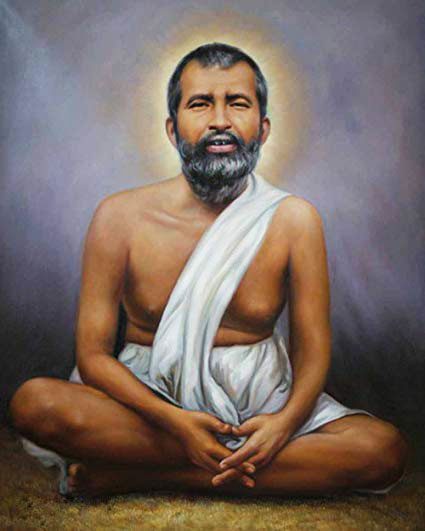
Tears of Joy: The Divine Paradox of Devotion
In the profound words of Sri Ramakrishna, "When you weep for God, your tears are tears of joy." This statement encapsulates a paradox that lies at the heart of spiritual devotion: the intertwining of sorrow and joy in the pursuit of the divine. It invites us to explore the depths of our emotional landscape, suggesting that the expression of longing for the divine can lead to a profound sense of fulfillment and bliss. Understanding this quote is essential for anyone on a spiritual journey, as it reveals the transformative power of devotion and the complex emotions that accompany it.
At its core, this quote speaks to the nature of human experience in relation to the divine. It suggests that the tears we shed in our yearning for God are not merely expressions of sadness or loss; rather, they are imbued with a deep sense of joy that arises from the recognition of our connection to something greater than ourselves. This duality invites us to reconsider our understanding of grief and joy, particularly in the context of spiritual practice. By embracing both emotions, we can cultivate a richer, more nuanced relationship with the divine.
The image / the metaphor
The imagery in Sri Ramakrishna's quote evokes a powerful emotional landscape. Tears, often associated with sorrow, become a vehicle for joy when directed toward the divine. The act of weeping for God suggests a deep longing, a yearning that transcends the mundane and touches the sacred. This juxtaposition of tears and joy creates a vivid picture of the spiritual seeker, whose heart is both heavy with longing and lightened by the joy of connection. The verbs chosen—"weep" and "joy"—highlight the dynamic interplay between suffering and bliss, illustrating that the path to spiritual fulfillment is often paved with emotional complexity.
Diving deeper into the metaphor, we can see that the tears shed in devotion symbolize a purification process. Just as water cleanses and nourishes, these tears can wash away the impurities of the heart, allowing for a more profound experience of divine love. In this light, weeping becomes a sacred act, a ritual of surrender that opens the heart to the joy of divine presence. The tears of joy signify not only the release of pent-up emotions but also the recognition of the divine's grace, which flows abundantly when we allow ourselves to be vulnerable in our longing.
In the speaker's tradition
To fully appreciate the depth of Sri Ramakrishna's quote, we must situate it within the rich tapestry of Hindu spirituality. Central to this tradition is the concept of bhakti, or devotion, which emphasizes a personal relationship with the divine. Bhakti encourages practitioners to express their emotions openly, recognizing that love for God can manifest in myriad forms, including joy, sorrow, longing, and ecstasy. This emotional spectrum is not only accepted but celebrated, as it reflects the complexity of the human experience in relation to the divine.
In the context of Hindu texts, we can draw parallels to the Bhagavad Gita, where the protagonist, Arjuna, experiences profound inner turmoil before ultimately embracing his duty with a heart full of devotion. His tears of confusion and despair transform into a deeper understanding of his purpose, leading to a state of joy and fulfillment. This narrative echoes Sri Ramakrishna's teaching, illustrating that the journey toward divine connection often involves navigating the waters of emotional turbulence, ultimately leading to a place of joy and peace.
Living the teaching
Consider a modern scenario where this teaching might resonate: a person grappling with the loss of a loved one. In their grief, they may find themselves questioning the nature of existence and their relationship with the divine. As they weep for their loss, they might also experience moments of profound joy in the memories shared, recognizing that their love transcends the physical realm. This dual experience of sorrow and joy can serve as a catalyst for spiritual growth, prompting them to seek a deeper understanding of life, death, and the divine.
Another application of this teaching can be found in the context of relationships. Imagine a couple facing a challenging period, where misunderstandings lead to tears and heartache. In the midst of this struggle, they may discover a renewed sense of connection and joy as they navigate their emotions together. By allowing themselves to express their vulnerabilities, they create space for healing and deeper intimacy, illustrating how tears shed in devotion to one another can ultimately lead to joy and a stronger bond.
A reflection
As we contemplate Sri Ramakrishna's profound insight, we are invited to reflect on our own emotional experiences in relation to the divine. How do we navigate the interplay of sorrow and joy in our spiritual journeys? Are we willing to embrace our tears as a pathway to deeper connection and understanding? In this moment of reflection, let us consider: What does it mean for you to weep for God, and how might those tears lead you to a greater experience of joy?


