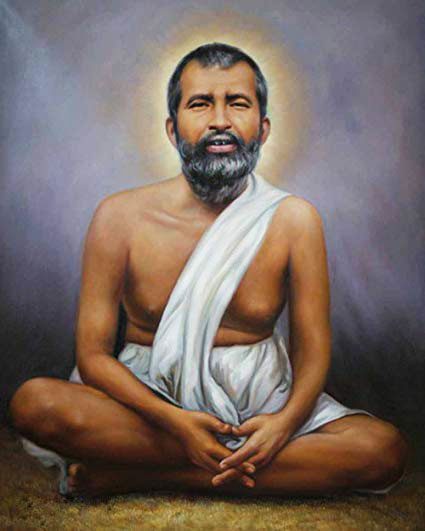
The Divine Response to Sincere Devotion
In the words of Sri Ramakrishna, "Where the devotee is sincere, the Lord goes Himself." This profound statement encapsulates the essence of spiritual sincerity and the transformative power it holds. It suggests that when a devotee approaches the divine with genuine intent and heartfelt devotion, the divine presence is not merely an abstract concept but an active participant in their spiritual journey. This idea invites us to reflect on the nature of our own sincerity and the depth of our connection to the divine.
To delve deeper, we must consider what it means to be sincere in our devotion. Sincerity is not merely a surface-level commitment; it requires an alignment of heart, mind, and spirit. It is an invitation to strip away pretense and engage with the divine in a manner that is authentic and true. In this light, Sri Ramakrishna's quote serves as a reminder that the divine is responsive to the purity of our intentions, suggesting that our spiritual path is not a solitary endeavor but a co-creative process with the divine.
The image / the metaphor
At the heart of this quote lies a vivid imagery that evokes a sense of closeness and intimacy between the devotee and the divine. The phrase "the Lord goes Himself" conjures an image of the divine actively engaging with the seeker, rather than remaining distant or aloof. The use of the word "goes" implies movement, presence, and a willingness to meet the devotee where they are. This dynamic relationship underscores the notion that sincerity acts as a bridge, facilitating a direct connection with the divine.
Delving deeper into the metaphor, we can see that this relationship is not transactional; it is rooted in love and grace. The divine's willingness to "go" suggests a profound understanding of human vulnerability and the earnestness of the seeker. It invites us to consider the ways in which our own sincerity can open pathways to divine grace, illuminating the idea that the divine is not just a distant observer but an active participant in our lives, responding to our heartfelt calls.
In the speaker's tradition
To fully appreciate Sri Ramakrishna's insight, we must situate it within the broader context of Hindu philosophy, particularly the concepts of bhakti and grace. Bhakti, or devotional love, emphasizes a personal relationship with the divine, where sincerity becomes the cornerstone of spiritual practice. In this tradition, the devotee's heartfelt longing for connection is met with divine grace, a concept that resonates with the idea of kenosis—the self-emptying of the divine to meet humanity in its sincerity.
Moreover, this teaching echoes the sentiments found in texts such as the Bhagavad Gita, where Krishna assures Arjuna of his presence and support when approached with sincerity and devotion. The Gita emphasizes that the divine is ever-present for those who earnestly seek it, reinforcing the notion that sincerity in one's spiritual practice invites a reciprocal relationship with the divine. This interplay of devotion and grace is a hallmark of Ramakrishna's teachings, illustrating the profound interconnectedness of the seeker and the divine.
Living the teaching
Consider a modern scenario where this teaching might resonate: a person grappling with a significant life decision, feeling lost and uncertain. In their search for clarity, they turn inward, engaging in sincere prayer or meditation, seeking guidance from the divine. As they cultivate this sincerity, they may begin to notice subtle signs or feelings that guide them toward a resolution. This experience exemplifies how sincere devotion can manifest as divine guidance, reinforcing the idea that the divine is responsive to our heartfelt inquiries.
Another application of this teaching can be found in interpersonal relationships. Imagine a moment of conflict between two friends, where one feels misunderstood and hurt. If they approach the situation with sincerity—expressing their feelings honestly and seeking to understand the other’s perspective—they create an opening for healing and reconciliation. In this way, sincerity not only fosters connection with the divine but also enhances our relationships with others, illustrating the far-reaching implications of Ramakrishna's insight.
A reflection
As we contemplate Sri Ramakrishna's profound statement, we are invited to examine our own sincerity in our spiritual practices and relationships. Are we approaching the divine with an open heart, free from pretense? In what ways can we deepen our sincerity, allowing it to guide our actions and interactions? Reflecting on these questions can illuminate our path, reminding us that where there is genuine devotion, the divine is always present, ready to meet us in our journey.


