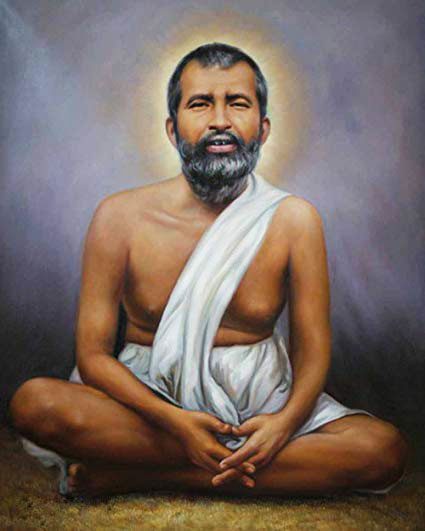
The Heart's Yearning: Longing as the Essence of Spiritual Practice
In the words of Sri Ramakrishna, "Without longing for God, no spiritual practice will be successful." This profound statement encapsulates the essence of spiritual endeavor, suggesting that the depth of our yearning for the divine is the foundation upon which all meaningful practice is built. It invites us to reflect on the nature of our spiritual pursuits and the sincerity of our intentions. Without this deep-seated longing, our rituals and disciplines may become mere habits, devoid of transformative power.
Longing, in this context, is not a passive wish or a fleeting desire; it is an active, passionate pursuit of the divine. It is the fire that fuels our spiritual journey, igniting our hearts and minds to seek a connection with something greater than ourselves. This longing is a call to awaken our innermost selves, urging us to transcend the mundane and reach for the sacred. In recognizing this, we begin to understand that spiritual practice is not merely a checklist of activities but a heartfelt engagement with the divine presence that permeates our lives.
The image / the metaphor
At first glance, the quote presents a straightforward assertion about the necessity of longing in spiritual practice. The imagery of "longing" evokes a sense of deep desire, akin to a traveler yearning for home after a long journey. The verbs chosen—"longing" and "successful"—suggest a dynamic interplay between aspiration and achievement, indicating that the quality of our yearning directly influences the efficacy of our spiritual endeavors. This longing is not just an emotional state; it is a vital force that propels us toward our spiritual goals.
Diving deeper into the metaphor, we can see longing as a bridge that connects the seeker to the divine. It is a yearning that transcends mere desire, transforming into a spiritual hunger that compels us to seek, to question, and to engage with the sacred. This longing can be likened to the flame of a candle, illuminating the path ahead while also consuming the wax that sustains it. In this way, longing becomes both a guiding light and a transformative process, shaping our spiritual identity as we navigate the complexities of existence.
In the speaker's tradition
To fully appreciate Sri Ramakrishna's insight, we must situate it within the rich tapestry of Hindu thought. The concept of longing resonates deeply with the notion of bhakti, or devotion, which emphasizes a heartfelt connection to the divine. In bhakti traditions, the intensity of one's longing for God is often seen as a measure of spiritual progress. This longing is not merely emotional; it is a profound expression of one's dharma, or duty, to seek union with the divine, reflecting the belief that the heart's yearning is a pathway to spiritual fulfillment.
Moreover, this idea finds echoes in various Hindu texts, such as the *Bhagavad Gita*, where the importance of devotion and surrender to God is emphasized. In Chapter 9, Verse 22, Krishna assures Arjuna that those who are devoted to Him with unwavering faith will have their needs met. This reinforces the notion that longing for God is not a solitary endeavor but a reciprocal relationship, where the divine responds to the sincere yearnings of the seeker. Thus, Sri Ramakrishna's statement serves as a reminder that our spiritual practices must be rooted in genuine desire for connection with the divine.
Living the teaching
Consider a modern scenario where this teaching might resonate. Imagine an individual who engages in daily meditation, yet feels a sense of disconnection or stagnation in their practice. They may follow the routines meticulously, but without the underlying longing for a deeper connection to the divine, their practice risks becoming mechanical. In this case, rekindling the flame of longing—perhaps through contemplation on the nature of the divine or reflecting on personal experiences of grace—can transform their meditation from a task into a sacred communion.
Another application of this teaching can be found in relationships, particularly during challenging moments. When conflicts arise, it is easy to become entrenched in ego and defensiveness. However, if one approaches the situation with a longing for understanding and connection—both with oneself and the other—this desire can shift the dynamics of the interaction. By prioritizing the longing for harmony and love over the need to be right, individuals can navigate difficulties with grace, fostering deeper bonds and spiritual growth.
A reflection
As we contemplate Sri Ramakrishna's assertion, we are invited to examine the nature of our own longings. Are our spiritual practices infused with a genuine desire for connection with the divine, or have they become routine? In what ways can we cultivate a deeper sense of longing in our lives? Reflecting on these questions can illuminate the path forward, guiding us toward a more profound engagement with our spiritual journeys.


