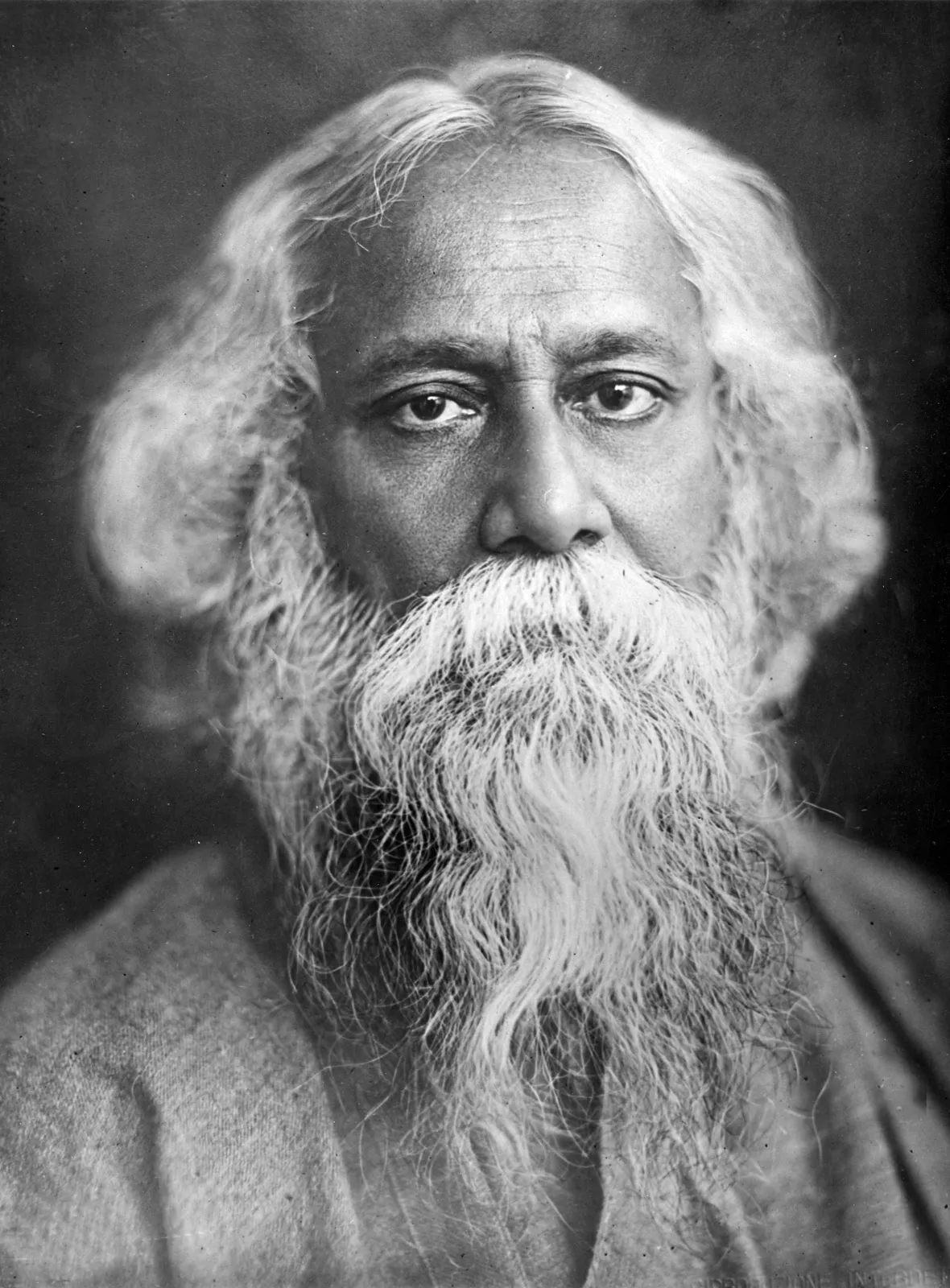
The Balance of Mind and Heart: A Contemplation on Tagore's Wisdom
Rabindranath Tagore's poignant assertion, "A mind all logic is like a knife all blade. It makes the hand bleed that uses it," invites us to reflect on the perils of an overly rational approach to life. In this metaphor, Tagore warns against the dangers of a purely analytical mindset, suggesting that while logic is a powerful tool, it can also inflict harm when wielded without balance. This insight resonates deeply in our contemporary world, where the relentless pursuit of reason often overshadows the essential qualities of compassion and intuition.
As we navigate the complexities of modern existence, the need for a harmonious interplay between intellect and emotion becomes increasingly clear. Tagore's words serve as a reminder that wisdom is not merely the accumulation of knowledge or the application of logic; rather, it is the ability to integrate understanding with empathy. In a society that often prizes rationality above all else, this teaching encourages us to cultivate a more holistic approach to our thoughts and actions, one that honors both the mind and the heart.
The image / the metaphor
At first glance, Tagore's metaphor of a knife with only a blade evokes a visceral image of danger and injury. The knife, a tool designed for cutting and shaping, becomes a source of harm when it lacks balance—when it is all blade and no handle. This imagery speaks to the potential destructiveness of an untempered mind, one that relies solely on logic without the guiding influence of emotional intelligence or ethical considerations. The act of bleeding symbolizes the pain and suffering that can arise when we neglect the softer, more nuanced aspects of our humanity.
Diving deeper into this metaphor, we can see that the knife represents not just the mind but also the tools we use to navigate our lives. A mind fixated on logic may slice through problems with precision, yet it can also sever connections with others and with our own inner selves. The balance of the knife's design—its blade and handle—mirrors the necessity of integrating reason with compassion, suggesting that true wisdom lies in the ability to wield our intellect with care and sensitivity.
In the speaker's tradition
Rabindranath Tagore's insights are deeply rooted in the rich tapestry of Hindu philosophy, which emphasizes the importance of balance in all aspects of life. Concepts such as dharma, or righteous duty, and bhakti, the path of devotion, highlight the need for a harmonious relationship between the mind and the heart. In this context, Tagore's warning against an overly logical mind resonates with the teachings of prajna, or wisdom, which advocates for a deeper understanding that transcends mere intellectual reasoning. The integration of these principles fosters a more holistic approach to living, one that honors both our rational capacities and our emotional depths.
In the Bhagavad Gita, a foundational text of Hindu thought, the dialogue between Arjuna and Krishna illustrates the necessity of balancing duty with compassion. Krishna advises Arjuna to act according to his dharma while remaining unattached to the fruits of his actions. This teaching echoes Tagore's sentiment, as it underscores the importance of engaging the mind while remaining rooted in the heart's wisdom. Both texts encourage us to navigate our lives with a sense of purpose that is informed by both intellect and empathy.
Living the teaching
Consider a modern scenario where this teaching finds relevance: a workplace environment characterized by intense competition and relentless deadlines. In such a setting, individuals may prioritize logic and efficiency, often at the expense of collaboration and emotional well-being. A team member who approaches problems solely through a logical lens may excel in analysis but struggle to connect with colleagues, leading to a toxic atmosphere. By embracing Tagore's wisdom, one might recognize the importance of fostering relationships and open communication, thereby creating a more supportive and productive work environment.
Similarly, in personal relationships, the balance between logic and emotion is crucial. Imagine a couple navigating a conflict where one partner relies heavily on logical reasoning to resolve issues, while the other seeks emotional validation. If the logical partner dismisses feelings as irrelevant, the relationship may suffer, leading to misunderstandings and resentment. By integrating Tagore's teaching, both partners can learn to honor each other's perspectives, blending rational discourse with emotional awareness to cultivate a deeper connection and mutual understanding.
A reflection
As we contemplate Tagore's profound insight, we are invited to examine our own lives and the ways in which we engage our minds and hearts. Are there areas where we lean too heavily on logic, neglecting the emotional nuances that enrich our experiences? In what ways can we cultivate a more balanced approach, allowing wisdom to guide our actions and interactions? Reflecting on these questions can lead us toward a more integrated and compassionate way of being in the world.


