The Bounty of Surrender: Embracing Imperfection in Offering
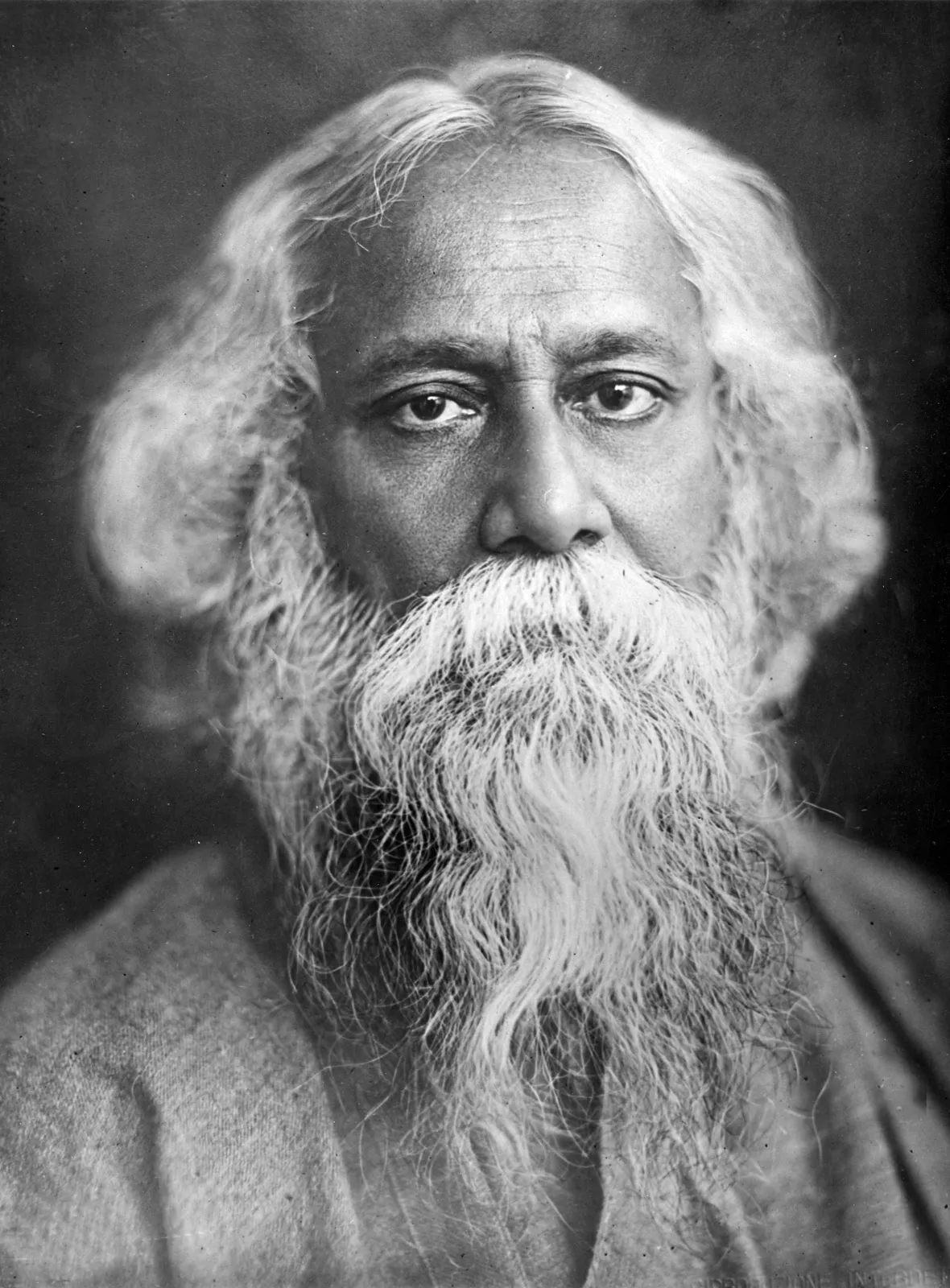
Rabindranath Tagore's evocative words, "Bid me and I shall gather my fruits to bring them in full baskets into your courtyard, though some are lost and some not ripe," invite us into a profound exploration of surrender and the nature of our offerings. In this quote, Tagore speaks to the essence of giving—acknowledging that what we bring may not be perfect, yet it is an act of love and devotion. This sentiment resonates deeply in a world that often equates worth with perfection, urging us to embrace our imperfections as part of our authentic selves.
As we delve deeper into Tagore's message, we uncover layers of meaning that challenge our understanding of success and fulfillment. The act of gathering fruits symbolizes our efforts, our creations, and our contributions to the world. However, the acknowledgment that some fruits are lost or unripe reflects the reality of life’s unpredictability. This quote serves as a reminder that the journey of offering is as significant as the outcome, inviting us to engage with our vulnerabilities and to recognize the beauty in our imperfect gifts.
The image / the metaphor
Tagore's imagery of gathering fruits evokes a rich tapestry of sensory experiences. The act of collecting fruits suggests labor, care, and intention, while the notion of bringing them into a courtyard implies a communal space where offerings are shared. The verbs "gather" and "bring" convey a sense of agency and purpose, highlighting the active role we play in our relationships and contributions. Yet, the mention of lost and unripe fruits introduces a poignant tension, reminding us that not all efforts yield the desired results, and that loss is an inherent part of the human experience.
Delving deeper into the metaphor, we can see that the fruits represent not only tangible achievements but also the intangible aspects of our lives—our emotions, thoughts, and spiritual insights. The courtyard becomes a sacred space where these offerings are received, suggesting a divine or communal acceptance of our gifts, regardless of their perceived quality. This duality of gathering and loss invites us to reflect on the nature of our contributions: they are not merely for validation but are expressions of our inner selves, worthy of sharing even in their imperfect forms.
In the speaker's tradition
Rabindranath Tagore's philosophy is deeply rooted in the Hindu tradition, where concepts such as bhakti (devotion) and dharma (duty) play pivotal roles. The act of offering—whether it be fruits, talents, or love—aligns with the idea of selfless service, or seva, which is central to many spiritual practices. Tagore’s acknowledgment of lost and unripe fruits resonates with the concept of sunyata, or emptiness, which teaches us that impermanence and incompleteness are intrinsic to existence. This understanding encourages us to let go of attachments to outcomes and to embrace the fullness of our experiences.
In his work, Tagore often draws from the rich tapestry of Indian philosophy, weaving together themes of love, nature, and the divine. His poem "Gitanjali" reflects a similar sentiment, where the act of offering oneself to the divine is celebrated, regardless of the imperfections that accompany it. The essence of surrender in Tagore's writings echoes the teachings found in the Bhagavad Gita, where the protagonist, Arjuna, learns to embrace his duty without attachment to the results, thus embodying the spirit of true offering.
Living the teaching
Consider a modern scenario where this teaching resonates: a community garden project. Participants gather to cultivate fruits and vegetables, each bringing their unique skills and contributions. Some may struggle with their gardening techniques, resulting in fewer harvests or unripe produce. Yet, the essence of the project lies not in the perfection of the yield but in the collective effort, the shared laughter, and the bonds formed through the act of nurturing life together. Here, the spirit of Tagore’s quote comes alive, as each participant learns to appreciate their contributions, regardless of the outcome.
In the realm of personal relationships, the teaching of offering what we have, even if it is imperfect, can transform how we connect with others. Imagine a moment of vulnerability in a friendship where one person shares their struggles, feeling inadequate or lost. By offering their truth, they create a space for deeper connection and understanding, even if their feelings are raw or unrefined. This act of sharing, akin to bringing fruits into the courtyard, fosters intimacy and acceptance, allowing both individuals to embrace their imperfections together.
A reflection
As we contemplate Tagore's invitation to gather and offer our fruits, we are called to reflect on our own lives: What fruits do we hold within us that we are hesitant to share? In what ways can we embrace our imperfections and still offer ourselves fully to the world? This contemplation invites us to consider the beauty of our unique journeys and the value of our authentic contributions, encouraging us to step into the light of vulnerability and connection.


