The Unyielding Light of Hope
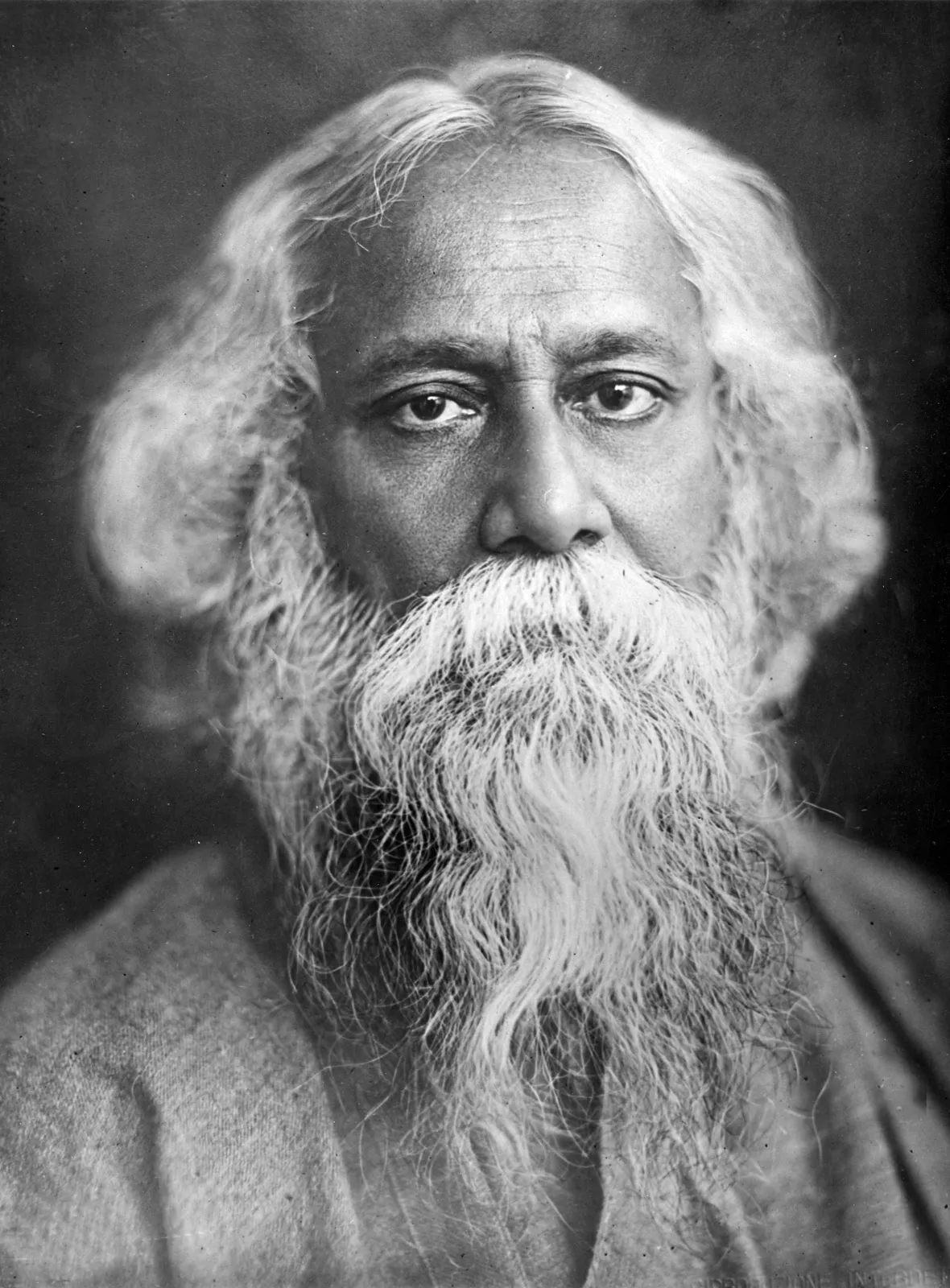
Rabindranath Tagore's poignant assertion, "Every child comes with the message that God is not yet discouraged of man," invites us to reflect on the profound connection between innocence and divine hope. In this statement, Tagore encapsulates the essence of childhood as a symbol of renewal and possibility, suggesting that each new life carries with it the promise of redemption and the potential for humanity to rise above its failings. This perspective is particularly vital in a world often overshadowed by despair, reminding us that the arrival of a child signifies a divine affirmation of our collective journey.
Delving deeper, Tagore's words resonate with the idea that children embody not just innocence but also the untainted spirit of possibility. They arrive in the world unburdened by the cynicism that often clouds adult perspectives, serving as living reminders of the inherent goodness that exists within humanity. This message is not merely a reflection of hope; it is an invitation to embrace the potential for transformation and growth that resides within each of us, regardless of our past mistakes or current struggles. In this light, the presence of a child becomes a sacred testament to the enduring faith that the divine holds in humanity's capacity for love and compassion.
The image / the metaphor
At its core, Tagore's quote employs the imagery of a child as a messenger, a vessel through which divine hope is communicated. The choice of the word "message" suggests that the arrival of each child is not a mere coincidence but a deliberate act of grace, a reminder that the divine continues to believe in the potential of humanity. The verbs "comes" and "is not yet discouraged" evoke a sense of movement and ongoing engagement, implying that the divine presence is actively involved in the unfolding story of human existence, despite its complexities and challenges.
Moreover, the metaphor of a child as a divine message invites us to consider the qualities that children embody: curiosity, joy, and an innate sense of wonder. These attributes serve as a counterbalance to the disillusionment often experienced in adulthood. In recognizing children as embodiments of hope, we are encouraged to reconnect with these essential qualities within ourselves, fostering a sense of optimism and resilience that can guide us through life's trials. Thus, the metaphor extends beyond the literal to encompass a broader spiritual truth: that hope is not merely a fleeting emotion but a fundamental aspect of our existence.
In the speaker's tradition
Rabindranath Tagore's insights are deeply rooted in the Hindu tradition, which emphasizes the interconnectedness of all beings and the divine presence within each individual. Concepts such as dharma, the moral order of the universe, and bhakti, the path of devotion, resonate with Tagore's message of hope. The belief that every child carries a divine spark aligns with the notion of *atman*, the eternal self, suggesting that within each person lies the potential for spiritual awakening and fulfillment. This perspective invites us to view children not only as future adults but as embodiments of the divine, deserving of love, respect, and nurturing.
In Tagore's literary works, particularly in "The Crescent Moon," we find a celebration of childhood that echoes the teachings of the Bhagavad Gita, where the importance of maintaining a childlike spirit is emphasized. The Gita speaks of *sattva*, the quality of purity and harmony, which children naturally embody. By recognizing the divine essence in children, Tagore invites us to cultivate this quality within ourselves, fostering a deeper connection to the divine and to one another. This alignment with traditional Hindu thought underscores the timeless relevance of Tagore's message, reminding us that hope is an integral part of our spiritual journey.
Living the teaching
In contemporary life, the teaching encapsulated in Tagore's quote can manifest in various scenarios, particularly in our interactions with children. For instance, consider a parent witnessing their child’s unfiltered joy while playing in a park. This moment serves as a reminder of the beauty and simplicity of life, encouraging the parent to embrace a sense of wonder that may have been lost in the hustle of adulthood. By allowing themselves to be inspired by their child's perspective, the parent can rekindle their own sense of hope and possibility, recognizing that the divine is present in these everyday moments.
Another application of this teaching can be found in the realm of relationships, particularly during challenging times. Imagine a couple facing difficulties in their marriage; the arrival of a child can serve as a catalyst for healing and renewal. The couple may find themselves inspired by the innocence and love that their child embodies, prompting them to reflect on their own relationship and the love that initially brought them together. In this way, the presence of a child can illuminate the path toward reconciliation and growth, reminding them that hope is always within reach, even in the darkest of times.
A reflection
As we contemplate Tagore's profound assertion, we are invited to consider the ways in which we can embody the hope that children represent. What practices can we cultivate in our daily lives to reconnect with that sense of innocence and possibility? In what ways can we nurture the divine spark within ourselves and others, allowing it to guide our actions and interactions? These questions invite us to reflect on our own journeys and the ways we can contribute to a more hopeful and compassionate world.


