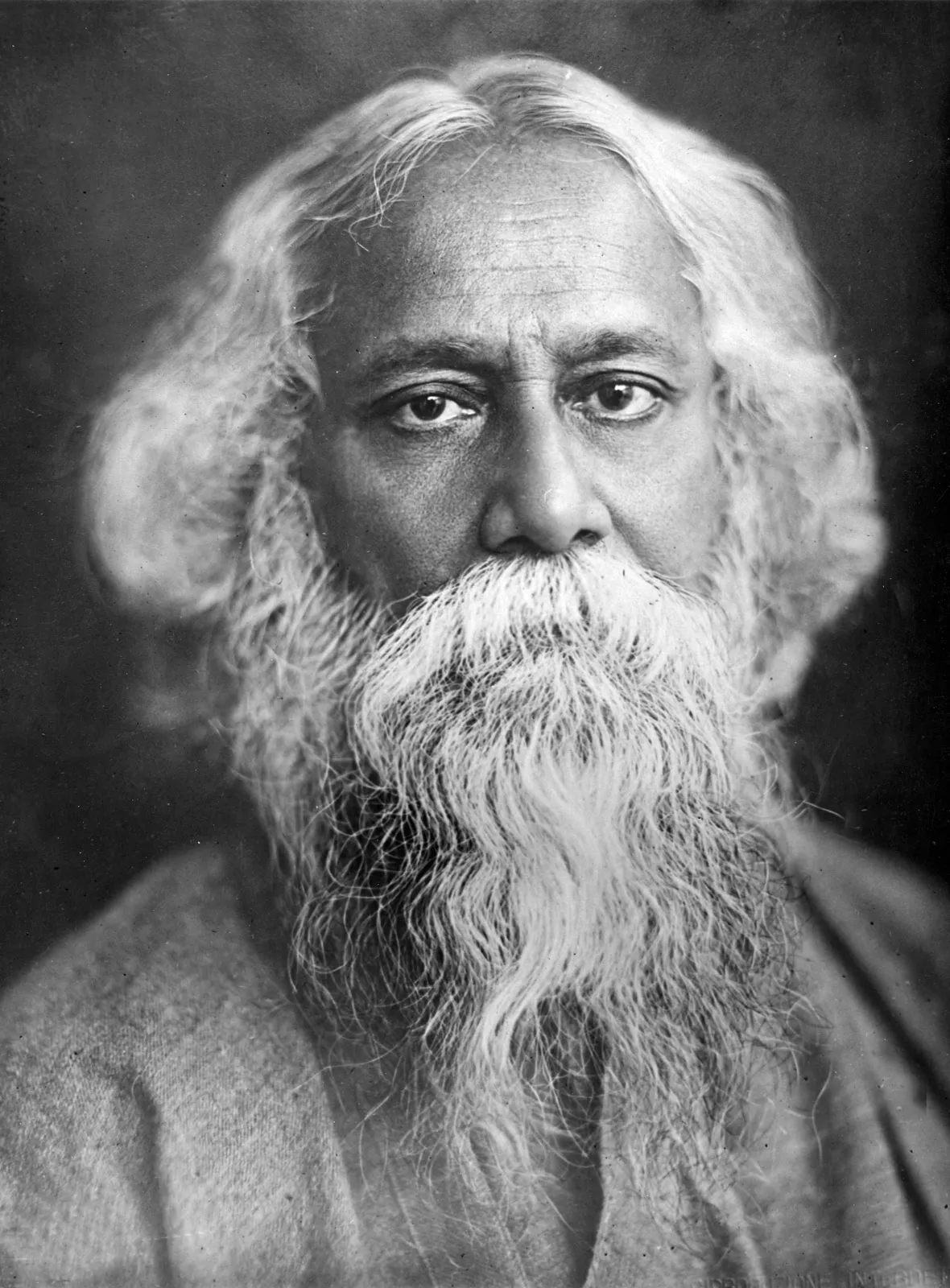
Embracing the Eternal: A Journey Beyond Time
In the poignant words of Rabindranath Tagore, "I have come to the brink of eternity from which nothing can vanish — no hope, no happiness, no vision of a face seen through tears." Here, Tagore invites us to contemplate the profound nature of existence, suggesting that the essence of our experiences—both joyful and sorrowful—transcends the ephemeral nature of life. This exploration of eternity challenges us to consider what remains when the fleeting moments of our lives fade away, urging us to recognize the enduring significance of our memories and emotions.
Tagore's reflection resonates deeply in a world often preoccupied with the transient. In an age where we are constantly bombarded by distractions and the relentless march of time, his words serve as a reminder of the deeper truths that lie beneath the surface of our daily lives. By standing at the "brink of eternity," we are called to acknowledge the interconnectedness of our experiences and the lasting impact they have on our souls, inviting us to cultivate a sense of presence and awareness in each moment.
The image / the metaphor
The imagery in Tagore's quote is rich and evocative, conjuring a vision of standing at the edge of a vast expanse—eternity itself. The phrase "brink of eternity" suggests a threshold, a liminal space where the temporal and the eternal converge. The verbs chosen, such as "vanish," evoke a sense of loss, yet they also imply a deeper continuity; what we perceive as transient is, in fact, woven into the fabric of eternity. This duality captures the essence of human experience, where joy and sorrow coexist, and where every moment contributes to the greater tapestry of existence.
Diving deeper into the metaphor, we find that Tagore's exploration of memory and emotion transcends mere nostalgia. The "hope," "happiness," and "vision of a face seen through tears" signify the profound connections we forge with others and the world around us. These elements do not simply disappear; rather, they become part of our spiritual journey, shaping our understanding of love, loss, and the continuity of life. In this light, Tagore invites us to embrace our experiences fully, recognizing that they are integral to our being and contribute to our eternal essence.
In the speaker's tradition
Rabindranath Tagore's insights are deeply rooted in the Hindu tradition, which emphasizes the cyclical nature of life and the interconnectedness of all beings. Concepts such as dharma, the moral order of the universe, and bhakti, the path of devotion, resonate with his understanding of eternity. In this context, Tagore's assertion that nothing can vanish aligns with the Hindu belief in the eternal soul (atman) and the idea that our experiences, whether joyous or painful, contribute to our spiritual evolution. The notion of sunyata, or emptiness, further complements this perspective, suggesting that the essence of existence transcends the material world.
Tagore's reflections can also be compared to the teachings found in the Bhagavad Gita, where Lord Krishna imparts wisdom on the eternal nature of the soul. In Chapter 2, Verse 20, it is stated that the soul is neither born nor does it die; it is eternal and unchanging. This echoes Tagore's sentiment that our experiences, while transient, are part of a larger, eternal narrative that shapes our understanding of existence. By recognizing this continuity, we can cultivate a deeper appreciation for the moments that define our lives.
Living the teaching
Consider a modern scenario where this teaching finds resonance: a person grappling with the loss of a loved one. In the face of grief, it is easy to feel as though happiness has vanished, leaving behind only sorrow. However, by embracing Tagore's perspective, one might begin to see that the love shared and the memories created with that person remain eternally etched in their heart. This understanding can transform the experience of loss into a celebration of the connection that continues to exist, allowing the individual to find solace in the enduring nature of love.
In another application, think about a challenging relationship that seems fraught with conflict. By approaching this situation through the lens of Tagore's quote, one might recognize that the struggles and moments of joy shared with the other person are part of a larger journey. Instead of viewing these experiences as fleeting, they can be seen as opportunities for growth and understanding, enriching the tapestry of one's life. This shift in perspective fosters compassion and patience, allowing for deeper connections to flourish even amidst difficulties.
A reflection
As we contemplate Tagore's profound words, we are invited to reflect on the nature of our own experiences and the memories we hold dear. What moments in your life have shaped your understanding of eternity? How can you embrace both the joys and sorrows as integral parts of your spiritual journey? In this inquiry, we find an opportunity to deepen our connection to ourselves and to the world around us, recognizing that every experience contributes to the eternal narrative of our existence.


