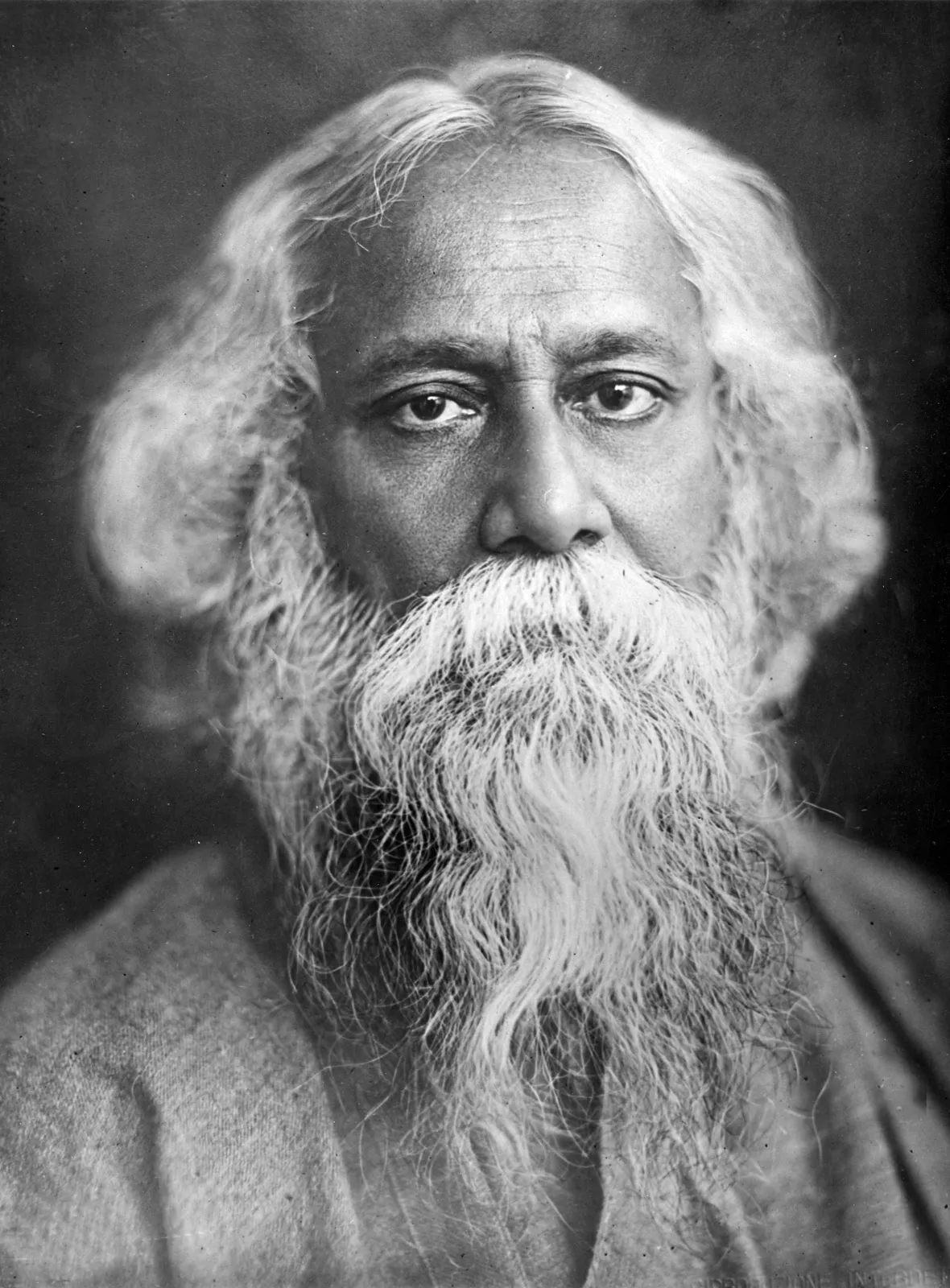
A Call to Awakening: The Vision of Freedom
Rabindranath Tagore's poignant declaration, "Let my country awake," serves as a profound invocation for collective consciousness and liberation. In this simple yet powerful phrase, Tagore encapsulates a yearning for awakening—not just of a nation, but of the human spirit itself. The stakes are high; this call resonates with the universal desire for freedom, self-realization, and the reclamation of identity in a world often shrouded in ignorance and oppression. It invites us to reflect on the nature of awakening and the responsibilities that accompany it.
As we delve deeper into Tagore's words, we uncover layers of meaning that extend beyond the political realm. The notion of awakening suggests a transformative process, one that requires both individual and collective effort. It beckons us to consider what it means to truly awaken—not merely to the external realities of our lives but to the deeper truths of our existence. This awakening is a journey toward understanding our interconnectedness, our shared humanity, and the divine essence that resides within each of us.
The image / the metaphor
At first glance, the imagery of "awakening" conjures the familiar metaphor of rising from slumber. It evokes a sense of movement from darkness into light, from ignorance into knowledge. The verb "let" implies a gentle permission, suggesting that awakening is not a forceful act but rather an invitation to embrace a new state of being. This imagery resonates with the idea of enlightenment, where the individual and collective consciousness can rise to a higher level of awareness, shedding the shackles of complacency and inertia.
Diving deeper into the metaphor, we can see that awakening is not merely about the act of becoming aware; it is about the responsibility that comes with that awareness. To awaken is to recognize the suffering of others and to respond with compassion and action. It is a call to engage with the world, to participate in the unfolding of life with a sense of purpose and commitment. In this light, Tagore's words become a rallying cry for those who seek to transcend the limitations of their own existence and contribute to the greater good.
In the speaker's tradition
Tagore's call for awakening is deeply rooted in the Hindu tradition, which emphasizes the interconnectedness of all beings and the pursuit of dharma, or righteous living. In this context, awakening is not just a personal endeavor; it is a communal responsibility. Concepts such as bhakti, or devotion, and prajna, or wisdom, play crucial roles in this journey. The awakening of a nation, as Tagore envisions, is intertwined with the awakening of its individuals, each contributing to the collective consciousness through acts of love, service, and understanding.
In his seminal work, the "Gitanjali," Tagore explores themes of divine love and the quest for truth. The poems within this collection reflect a deep yearning for connection with the divine and a recognition of the sacred in everyday life. This resonates with the idea of kenosis, or self-emptying, where one must relinquish the ego to fully awaken to the presence of the divine within and around us. Tagore's vision of awakening thus aligns with the broader spiritual journey toward unity and liberation, echoing the teachings found in the Upanishads and other sacred texts.
Living the teaching
In our modern world, the call to awaken can manifest in various ways, particularly in the context of social justice movements. Consider a community grappling with systemic inequality; the awakening Tagore speaks of can inspire individuals to rise up, educate themselves, and advocate for change. This awakening is not limited to the political sphere; it also encompasses personal growth and the realization of one's own biases and privileges. By acknowledging these truths, individuals can contribute to a more equitable society, embodying the essence of Tagore's vision.
On a more personal level, the teaching of awakening can be applied in our relationships. Imagine a moment of conflict with a loved one, where misunderstandings and assumptions cloud the connection. In such instances, the call to awaken invites us to step back, to listen deeply, and to engage with empathy. By recognizing the shared humanity in each other, we can transcend our differences and foster deeper connections. This practice of awakening in relationships not only enriches our lives but also reflects the broader awakening Tagore envisions for society.
A reflection
As we contemplate Tagore's profound words, we are left with a contemplative question: What does it mean for you to awaken, both personally and collectively? In what areas of your life do you feel called to rise from slumber, to engage more deeply with the world around you? This inquiry invites us to explore our own paths toward awakening, encouraging us to embrace the responsibilities that come with greater awareness and connection.


