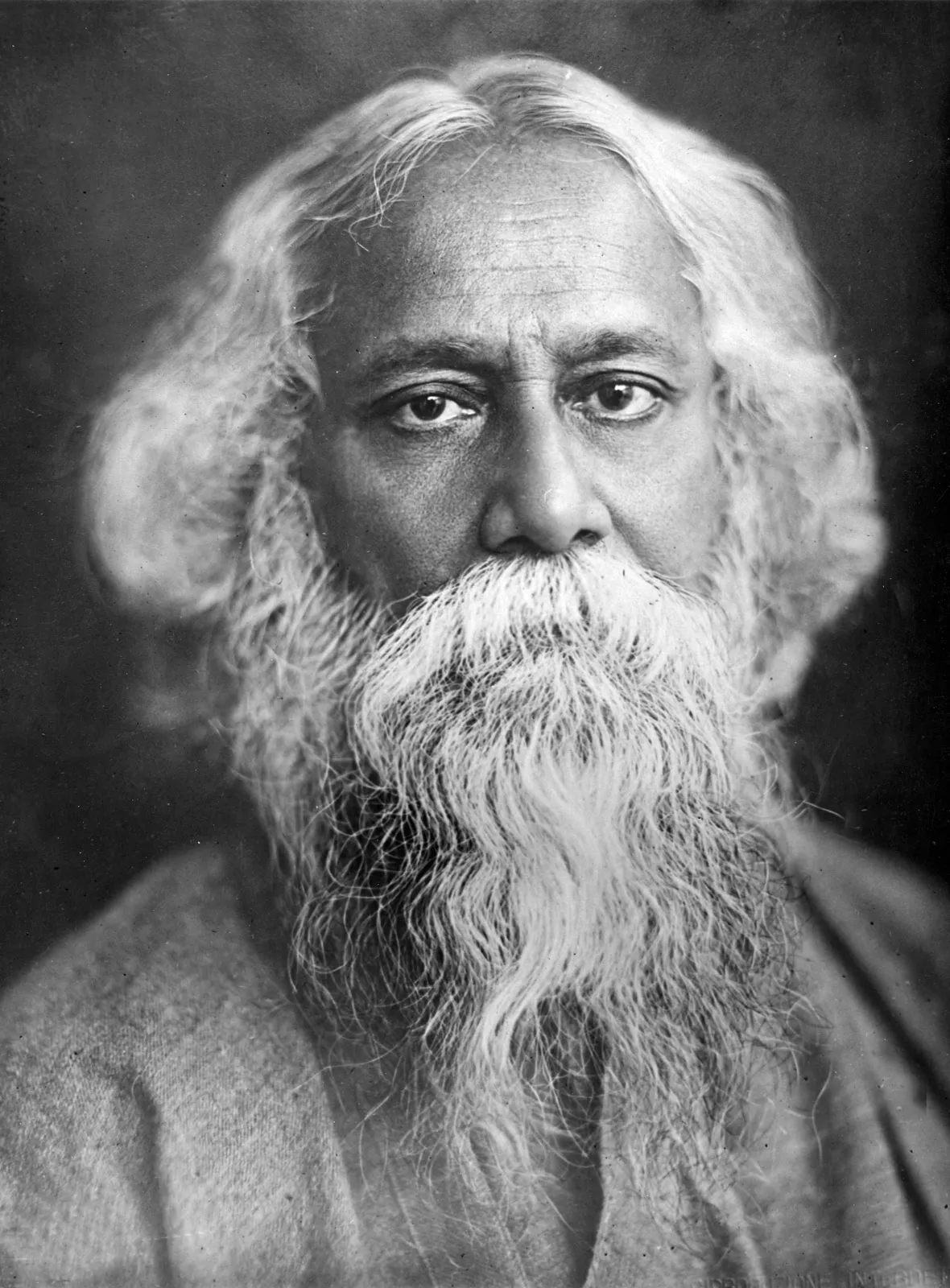
The Harmonious Space Between Souls
Rabindranath Tagore's poignant assertion that "Music fills the infinite between two souls" invites us to contemplate the profound connection that music can create between individuals. This quote suggests that music serves as a bridge, transcending the limitations of language and physical presence, allowing for a deep communion of spirits. In a world often marked by division and isolation, understanding this connection becomes essential for fostering empathy and unity among us.
As we delve deeper into this idea, we recognize that music is not merely an auditory experience; it is a spiritual phenomenon that resonates within the very essence of our being. It speaks to the soul, evoking emotions and memories that words alone cannot capture. Tagore's insight encourages us to explore how music can act as a conduit for love, understanding, and shared experience, ultimately enriching our lives and the lives of those around us.
The image / the metaphor
The imagery in Tagore's quote evokes a sense of vastness and intimacy simultaneously. The phrase "the infinite between two souls" suggests a boundless space that exists not as a void but as a rich tapestry woven with the threads of shared experiences, emotions, and aspirations. The verb "fills" implies an active engagement, as if music pours into this space, transforming it into a vibrant landscape of connection and resonance.
Diving deeper into the metaphor, we see that music embodies the essence of human experience—its joys, sorrows, and complexities. It serves as a universal language that transcends cultural and linguistic barriers, allowing individuals to connect on a deeper level. In this way, music becomes a sacred medium through which souls can communicate, heal, and grow together, reinforcing the idea that our connections with others are vital to our spiritual journey.
In the speaker's tradition
Tagore's perspective on music and connection is deeply rooted in the Hindu tradition, which emphasizes the interconnectedness of all beings. Concepts such as bhakti, or devotion, highlight the importance of love and connection in spiritual practice. In this context, music can be seen as an expression of bhakti, allowing individuals to transcend their ego and experience a sense of unity with others and the divine. This aligns with the idea of sunyata, or emptiness, where the self dissolves into the greater whole, creating space for authentic connection.
In Tagore's own work, particularly in his collection "Sadhana," he explores the relationship between the individual and the cosmos, emphasizing the importance of love and connection in the spiritual journey. His poetry often reflects the idea that true fulfillment arises from our relationships with others, and music serves as a powerful tool for nurturing these bonds. By engaging with music, we can cultivate a deeper understanding of ourselves and our place within the universe.
Living the teaching
Imagine a gathering of friends sharing a meal, laughter filling the air, and a song playing softly in the background. In this moment, the music creates an atmosphere of warmth and connection, allowing individuals to feel seen and understood. This scenario illustrates how music can enhance our interactions, fostering a sense of belonging and community. By embracing the power of music in our daily lives, we can cultivate deeper connections with those around us, enriching our experiences and nurturing our souls.
Consider a more challenging situation, such as a conflict between two loved ones. In moments of tension, music can serve as a balm, offering a way to bridge the emotional distance that has arisen. Playing a soothing melody or a song that holds shared memories can help to soften hearts and open lines of communication. By consciously integrating music into our relationships, we can create spaces for healing and understanding, reminding us of the infinite possibilities that exist between souls.
A reflection
As we reflect on Tagore's profound insight, we are invited to consider how music plays a role in our own lives and relationships. What melodies resonate with your soul, and how do they connect you to others? In what ways can you use music to deepen your connections and foster understanding in your interactions? Allow this contemplation to guide you toward a more harmonious existence, filled with the beauty of shared experiences.


