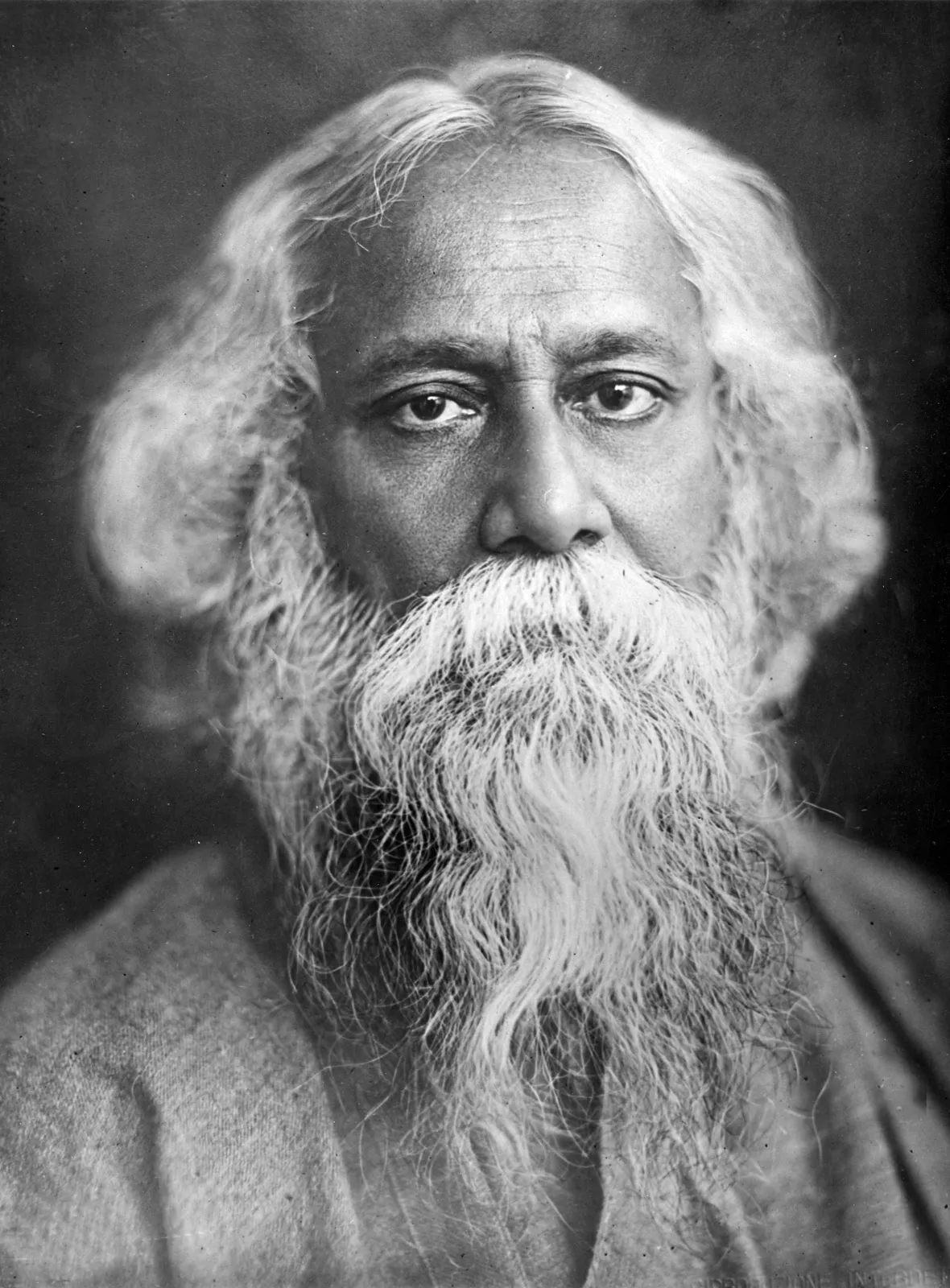
Endless Worlds and the Play of Innocence
Rabindranath Tagore's evocative line, "On the seashore of endless worlds, children play," invites us to envision a boundless expanse where the innocence and joy of childhood flourish. This imagery speaks to the profound connection between the simplicity of play and the infinite possibilities of existence. In a world often clouded by complexity and seriousness, Tagore's words remind us of the importance of wonder and imagination, urging us to reconnect with the childlike spirit that resides within us all.
As we delve deeper into this quote, we uncover layers of meaning that resonate with the essence of life itself. The seashore serves as a metaphorical threshold between the known and the unknown, a place where the finite meets the infinite. Children, in their unrestrained joy, embody the purity of experience, untainted by the burdens of adult life. Tagore's invitation to witness this playful engagement with the world encourages us to embrace curiosity and openness, fostering a sense of connection to the vastness of existence.
The image / the metaphor
The imagery of children playing on the seashore conjures a vivid scene filled with movement, laughter, and exploration. The choice of the word "play" evokes a sense of freedom and spontaneity, suggesting that in this space, there are no limitations or expectations. The seashore itself, a liminal space where land meets water, symbolizes the boundary between the tangible and the ethereal, inviting contemplation of what lies beyond our immediate perception. This setting becomes a canvas for the imagination, where the children’s laughter echoes the joy of discovery and the thrill of possibility.
Diving deeper into the metaphor, we can see that the "endless worlds" represent not only the vastness of the universe but also the infinite potential within each individual. Children, in their play, are not merely engaging in frivolous activities; they are exploring the depths of their creativity and the expansiveness of their dreams. This playful engagement serves as a reminder that life is not solely about the destination but about the journey of exploration itself. In this way, Tagore invites us to recognize the sacredness of play as a pathway to understanding the mysteries of existence.
In the speaker's tradition
Rabindranath Tagore's work is deeply rooted in the Hindu tradition, which emphasizes the interconnectedness of all beings and the importance of living in harmony with the universe. Concepts such as dharma, the moral order of the universe, and bhakti, the path of devotion, resonate throughout his poetry. Tagore's celebration of childhood and play reflects the idea of sunyata, or emptiness, where the mind is free from attachments and preconceptions, allowing for a pure experience of the present moment. In this context, the act of play becomes a spiritual practice, a way to engage with the divine through the lens of innocence and joy.
In Tagore's "Gitanjali," we find echoes of this philosophy, particularly in the verses that speak to the beauty of creation and the divine presence in everyday life. The text invites readers to perceive the world with a sense of wonder, akin to the perspective of a child. This alignment with the divine through the simplicity of play underscores the notion that spiritual awakening can be found in the most ordinary moments, encouraging us to embrace the fullness of life with open hearts.
Living the teaching
Consider a modern scenario where the essence of Tagore's quote can be applied: a family day at the beach. As parents watch their children build sandcastles and chase waves, they are reminded of the joy and freedom that comes from engaging with the world without inhibition. In this moment, the adults may find themselves drawn into the play, shedding their worries and responsibilities, and rediscovering the simple pleasure of being present. This experience exemplifies how the teachings of Tagore can manifest in our daily lives, encouraging us to embrace the wonder that exists in every moment.
In a different context, imagine a challenging moment in a relationship where misunderstandings and tensions have arisen. By invoking the spirit of playfulness and curiosity, individuals can approach the situation with a fresh perspective, seeking to understand rather than to defend. This shift in attitude allows for a deeper connection, reminiscent of the innocent exploration children engage in. By embodying the qualities of openness and wonder, we can transform difficult interactions into opportunities for growth and healing, aligning ourselves with the infinite possibilities that Tagore so beautifully articulates.
A reflection
As we reflect on Tagore's poignant words, we are invited to consider how often we allow the burdens of adulthood to overshadow our innate sense of wonder. In what ways can we cultivate a childlike spirit in our lives, embracing the playfulness and curiosity that come so naturally to children? This contemplative question encourages us to explore the boundaries we have set for ourselves and to seek out moments of joy and connection in the vast seashore of our own existence.


