The Weight of Golden Wings
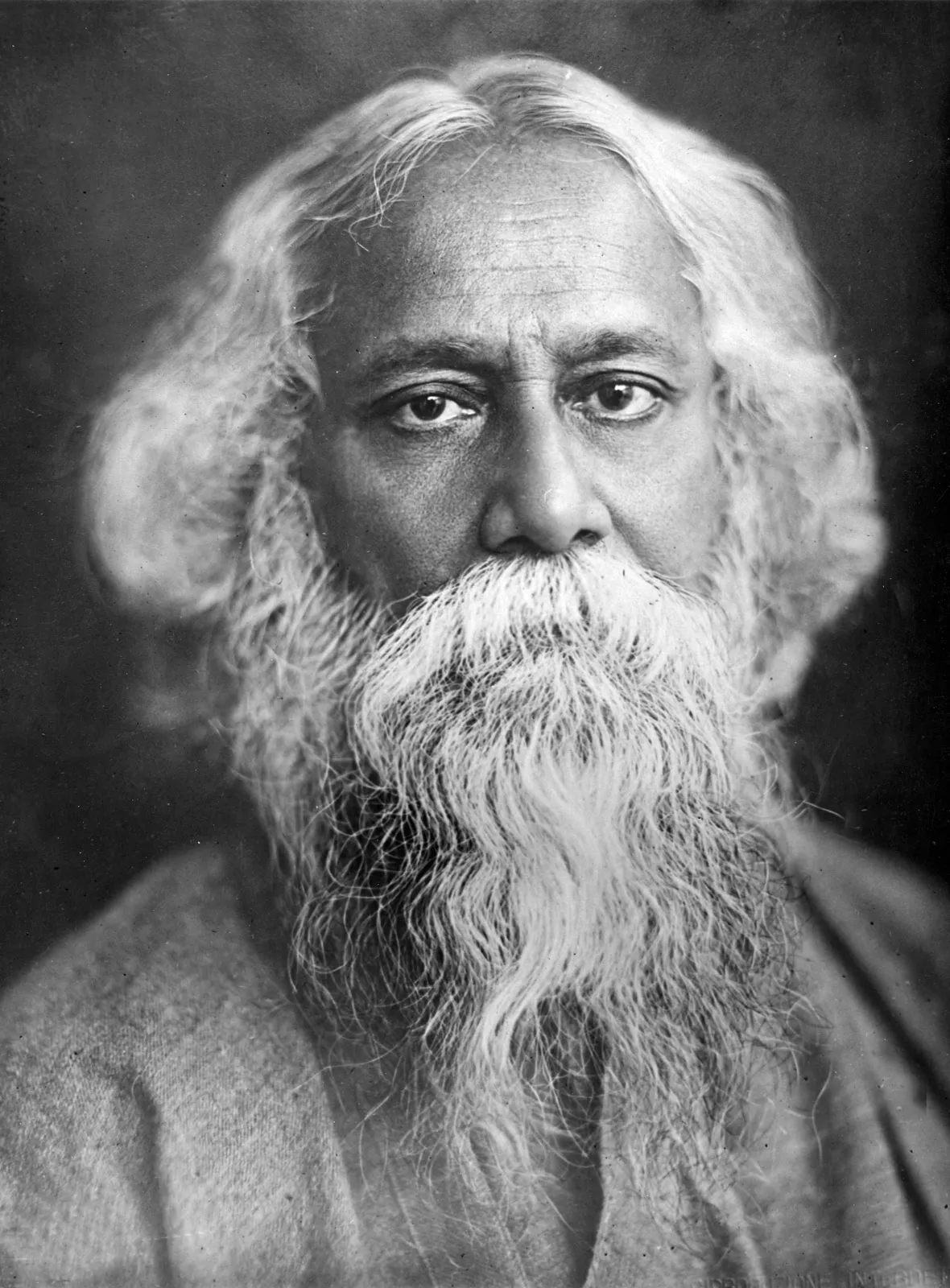
Rabindranath Tagore's poignant observation, "Set the bird's wings with gold and it will never again soar in the sky," invites us to reflect on the paradox of adornment and freedom. In this metaphor, the bird symbolizes the essence of our spirit, while the gilded wings represent the burdens we often impose upon ourselves through attachment and desire. This quote serves as a reminder that the pursuit of external validation and material wealth can ultimately imprison our true selves, hindering our ability to rise and explore the vastness of existence.
Tagore's wisdom resonates deeply in a world where the allure of success and status often overshadows the intrinsic value of freedom and authenticity. The gilding of the bird's wings suggests that what may seem like an enhancement can, in fact, become a constraint. This dichotomy between adornment and liberation is a central theme in many spiritual traditions, urging us to examine the ways in which we might be sacrificing our innate potential for the sake of superficial gains. In contemplating this quote, we are invited to consider what it means to truly soar, unencumbered by the weight of societal expectations.
The image / the metaphor
The imagery of a bird adorned with gold wings evokes a vivid sense of beauty intertwined with tragedy. The bird, a universal symbol of freedom, is rendered unable to fulfill its natural instinct to fly, trapped by the very embellishments that were meant to enhance its grace. The choice of the verb "set" implies a deliberate act of imposition, suggesting that the constraints we face are often self-inflicted or imposed by external forces. This creates a felt sense of tension between the desire for beauty and the need for liberation, encapsulating the struggle many face in their quest for authenticity.
Diving deeper into the metaphor, we can see that the gilded wings represent the myriad ways in which we adorn our lives—through material possessions, social status, and even relationships. These adornments, while they may bring temporary satisfaction, can ultimately weigh us down, preventing us from experiencing the fullness of life. The bird's inability to soar becomes a powerful metaphor for the human condition, illustrating how our attachments can hinder our spiritual growth and limit our potential to connect with the world around us. In this light, Tagore's words challenge us to reconsider what we value and how we define our own freedom.
In the speaker's tradition
Rabindranath Tagore's insights are deeply rooted in the Hindu tradition, which emphasizes the importance of dharma, or one's true path, and the pursuit of liberation (moksha). In this context, the gilded wings can be seen as the distractions that lead us away from our true purpose, obscuring our understanding of self and the divine. Concepts such as kenosis, the act of self-emptying, resonate with Tagore's message, suggesting that true freedom comes from relinquishing our attachments and embracing simplicity. This aligns with the notion of sunyata, or emptiness, which teaches that liberation arises when we let go of our clinging to form and identity.
Tagore's reflections can also be compared to the teachings found in the Bhagavad Gita, where the importance of selfless action (karma yoga) is emphasized. The Gita encourages individuals to act without attachment to the fruits of their labor, highlighting that true fulfillment lies not in external accolades but in the purity of intention. This parallel reinforces Tagore's assertion that the adornments we chase can ultimately lead us astray from our spiritual journey, urging us to seek a deeper understanding of our true selves beyond the superficial trappings of life.
Living the teaching
Consider a modern scenario where this teaching resonates: an individual striving for career advancement may find themselves caught in a relentless pursuit of promotions, accolades, and recognition. While these achievements may bring temporary satisfaction, they can also lead to burnout and a sense of disconnection from one's authentic self. In this context, the gilded wings represent the burdens of ambition that can stifle creativity and joy, reminding us that true fulfillment lies not in external validation but in the freedom to express our unique gifts without constraint.
In relationships, the weight of golden wings can manifest as the expectations we place on ourselves and others. A partner may feel pressured to conform to societal ideals of success or beauty, leading to a disconnect from their true essence. By recognizing these gilded constraints, individuals can cultivate a space of acceptance and authenticity, allowing both themselves and their loved ones to soar freely. This practice of embracing vulnerability and authenticity fosters deeper connections, ultimately enriching the fabric of our relationships and allowing us to experience love in its purest form.
A reflection
As we contemplate Tagore's profound words, we are invited to reflect on our own lives: What are the gilded wings we have set upon ourselves? In what ways do our attachments and desires hinder our ability to soar freely? This contemplation encourages us to examine the balance between our aspirations and our authentic selves, guiding us toward a deeper understanding of what it means to live a life unencumbered by the weight of external expectations.


