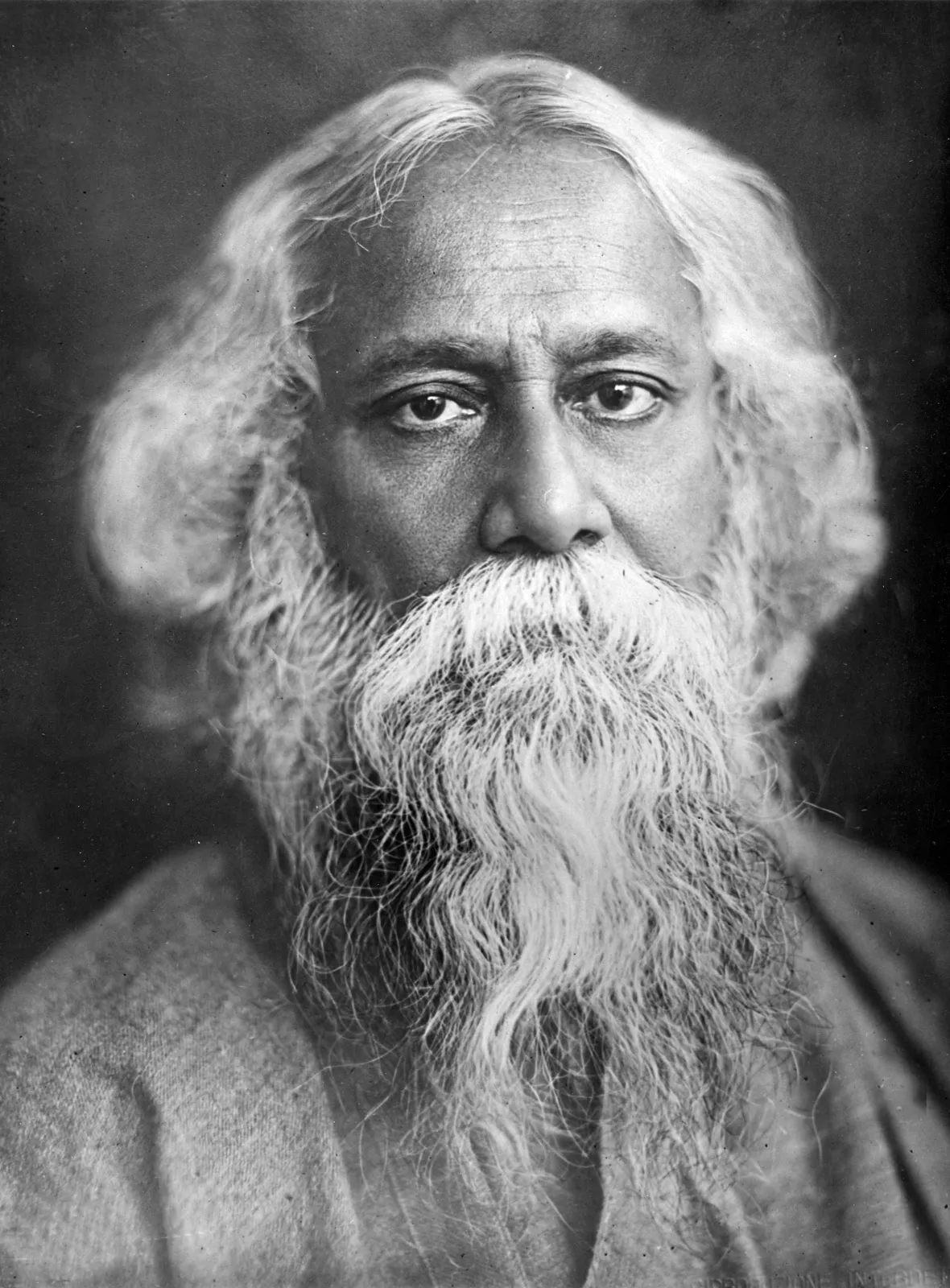
The Timeless Dance of Presence
In the words of Rabindranath Tagore, "The butterfly counts not months but moments, and has time enough." This profound statement invites us to reconsider our relationship with time, urging us to shift our focus from the relentless ticking of the clock to the richness of each fleeting moment. In a world often dominated by schedules and deadlines, Tagore's wisdom serves as a gentle reminder that true fulfillment lies not in the accumulation of time but in the depth of our experiences.
Tagore's metaphor of the butterfly encapsulates a deeper truth about existence: that life is not merely a series of chronological events but a tapestry woven from the threads of our present awareness. The butterfly, with its ephemeral beauty, embodies the essence of living fully in the now. This perspective challenges us to cultivate a sense of presence, to savor the moments that often slip by unnoticed, and to recognize that the quality of our experiences shapes our understanding of time itself.
The image / the metaphor
The imagery of the butterfly is rich and evocative, conjuring feelings of lightness, transformation, and transience. Butterflies, with their delicate wings and fleeting lifespans, symbolize the beauty of impermanence. The choice of the verb "counts" suggests an active engagement with time, contrasting sharply with the passive experience of merely letting time pass. Tagore invites us to embrace a more intentional approach to our lives, where each moment is acknowledged and cherished rather than overlooked in the rush of daily existence.
Diving deeper into the metaphor, we find that the butterfly's existence is not bound by the conventional measures of time. Instead, it embodies a state of being that transcends the limitations of the clock. This invites us to reflect on our own lives: how often do we allow ourselves to be fully present, to engage with the world around us without the weight of past regrets or future anxieties? The butterfly teaches us that life is not about the quantity of time we have but the quality of moments we create and experience.
In the speaker's tradition
Rabindranath Tagore's insights are deeply rooted in the Hindu tradition, which emphasizes the importance of presence and mindfulness. Concepts such as dharma, the moral order of the universe, and bhakti, the path of devotion, resonate with the essence of Tagore's message. In this context, the butterfly's approach to time can be seen as an expression of living in accordance with one's dharma, where each moment is an opportunity to fulfill one's purpose and connect with the divine.
Moreover, Tagore's perspective aligns with the Buddhist notion of sunyata, or emptiness, which teaches that our attachments to time and material concerns can cloud our perception of reality. In this light, the butterfly's ability to live fully in the moment reflects a profound understanding of the transient nature of life. This understanding is echoed in the teachings of the Bhagavad Gita, where Krishna advises Arjuna to focus on his duty in the present rather than being burdened by the past or future, thus reinforcing the importance of presence in our spiritual journey.
Living the teaching
Consider a modern scenario where this teaching resonates: a busy professional, caught in the whirlwind of deadlines and meetings, often finds themselves rushing through life. In such a context, Tagore's wisdom serves as a gentle nudge to pause and appreciate the small moments—a shared laugh with a colleague, the warmth of sunlight streaming through a window, or the simple pleasure of a cup of tea. By consciously choosing to savor these moments, one can cultivate a sense of fulfillment that transcends the pressures of time.
In relationships, this teaching can manifest as a commitment to being fully present with loved ones. Imagine a parent who, despite a hectic schedule, dedicates time to engage in meaningful conversations with their child, listening intently and sharing in their joys and struggles. This presence fosters deeper connections and enriches the relationship, illustrating how the quality of our interactions can transform our experience of time. By embracing Tagore's invitation to count moments rather than months, we can cultivate a life imbued with love, connection, and awareness.
A reflection
As we contemplate Tagore's poignant words, we are invited to reflect on our own relationship with time. How often do we find ourselves lost in the past or anxious about the future, missing the beauty of the present moment? In what ways can we cultivate a deeper awareness of our experiences, allowing ourselves to fully inhabit each moment as it unfolds? Consider this contemplative question: What small, intentional act can you incorporate into your daily life to honor the richness of the present moment?


