Unraveling the Cobweb: A Dance of Illusion and Insight
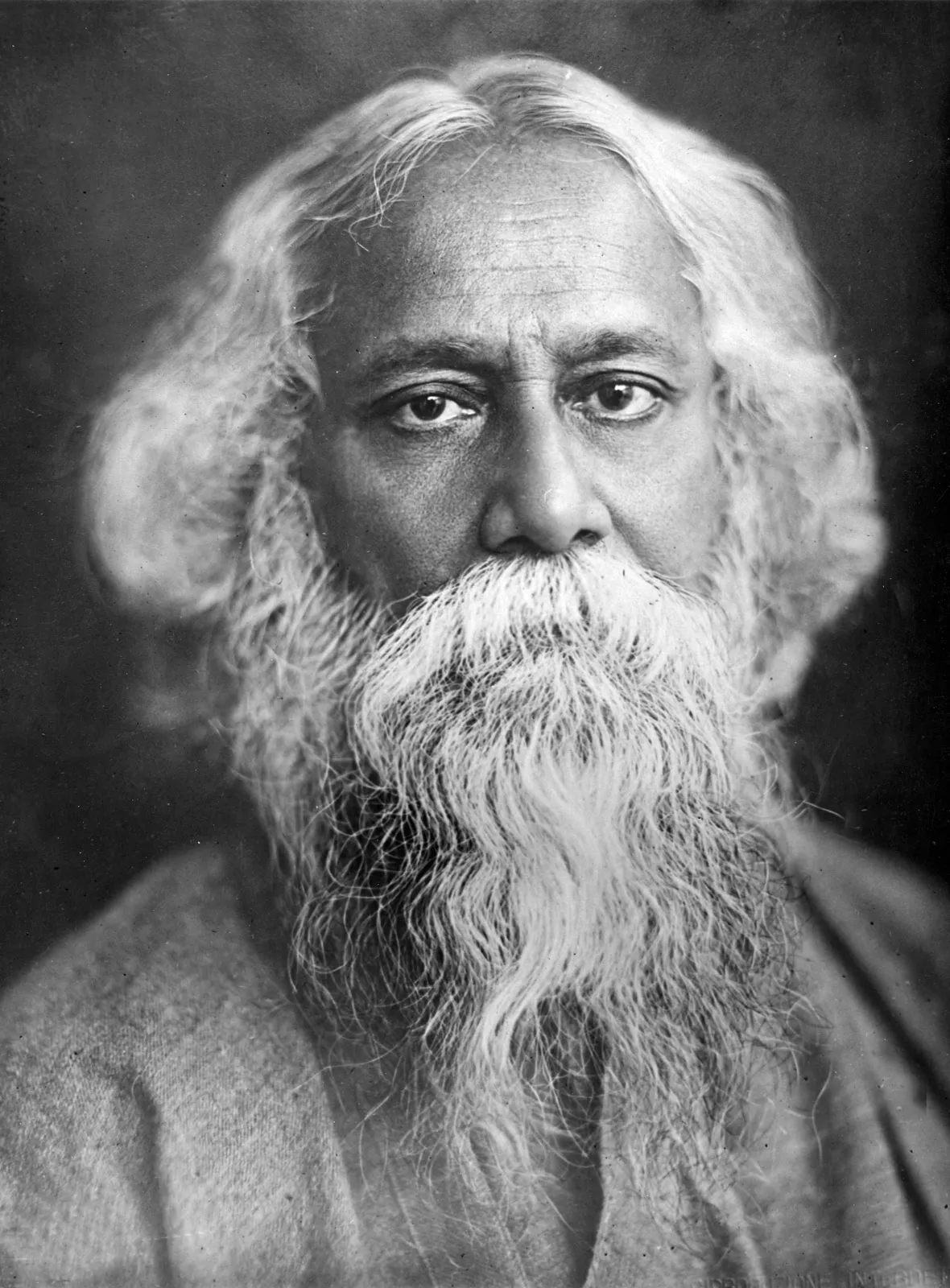
Rabindranath Tagore's poignant observation, "The cobweb pretends to catch dew-drops and catches flies," invites us to reflect on the nature of our pursuits and the illusions we often embrace. At first glance, this metaphor evokes a whimsical image of a delicate web, seemingly designed to capture the beauty of dew while inadvertently ensnaring the mundane. Yet, beneath this playful surface lies a profound commentary on human aspirations and the often misguided paths we tread. Understanding this quote is essential, as it challenges us to discern the true essence of our desires and the realities we create.
In a world filled with distractions and superficial pursuits, Tagore's words resonate deeply, urging us to examine the authenticity of our intentions. The cobweb, a fragile structure, symbolizes the intricate yet often deceptive frameworks we construct in our lives. As we navigate our daily existence, we may find ourselves caught in the web of societal expectations, chasing after fleeting moments of beauty while neglecting the deeper truths that lie beneath. This contemplation serves as a reminder to seek clarity and wisdom in our endeavors, rather than allowing ourselves to be ensnared by the trivial.
The image / the metaphor
The imagery of a cobweb is rich and layered, evoking a sense of fragility and transience. Cobwebs, with their delicate threads glistening in the morning light, create a striking visual that captures both beauty and vulnerability. The verbs "pretends" and "catches" suggest a duality: the web's intention to ensnare something pure, like dew-drops, contrasts sharply with its actual outcome of capturing flies, which are often seen as pests. This juxtaposition invites us to consider how our intentions may not always align with our results, leading to a deeper inquiry into the nature of our pursuits.
In the speaker's tradition
Rabindranath Tagore, a luminary in the realm of Indian philosophy and literature, draws from a rich tapestry of Hindu thought. His reflections resonate with concepts such as *dharma*, the moral order that guides our actions, and *bhakti*, the devotion that connects us to the divine. In this context, the cobweb serves as a metaphor for the distractions that can lead us astray from our true path, urging us to align our pursuits with our higher purpose. The interplay between intention and outcome reflects the essence of *prajna*, or wisdom, which encourages us to cultivate discernment in our choices.
Tagore's insights can also be likened to the Buddhist concept of *sunyata*, or emptiness, which invites us to recognize the impermanence of our attachments. Just as the cobweb is a transient creation, so too are our desires and the constructs we build around them. In his poem "Stray Birds," Tagore emphasizes the importance of embracing the fleeting nature of life, suggesting that true fulfillment arises not from clinging to illusions but from a deep understanding of our interconnectedness with the world. This perspective encourages us to transcend the superficial and engage with the essence of our being.
Living the teaching
Consider a modern scenario where this teaching resonates: a professional striving for success in a competitive environment. The individual may find themselves caught in a cobweb of expectations, chasing promotions and accolades that promise fulfillment. Yet, as they climb the corporate ladder, they may realize that the pursuit has led to stress and disconnection from their true passions. This situation exemplifies how the cobweb can ensnare us in a cycle of striving for external validation, diverting our attention from what genuinely nourishes our spirit.
In the realm of relationships, the cobweb metaphor can also illuminate the dynamics we navigate. Imagine a friendship that appears vibrant on the surface, yet is fraught with unspoken tensions and unmet needs. The individuals involved may be caught in a web of pretense, attempting to maintain an image of harmony while neglecting the deeper issues at play. By acknowledging the cobweb of their interactions, they can begin to unravel the complexities and engage in honest communication, fostering a more authentic connection. This process of discernment allows for the possibility of transformation, as they move beyond the superficial to cultivate a relationship rooted in understanding and compassion.
A reflection
As we contemplate Tagore's evocative words, we are invited to reflect on the cobwebs we may have woven in our own lives. What illusions are we clinging to, and how might they be diverting us from our true purpose? In this moment of introspection, consider the question: How can we cultivate greater awareness of our intentions and the outcomes they yield? By engaging with this inquiry, we open ourselves to the possibility of living more authentically, allowing our actions to align with the deeper truths of our existence.


