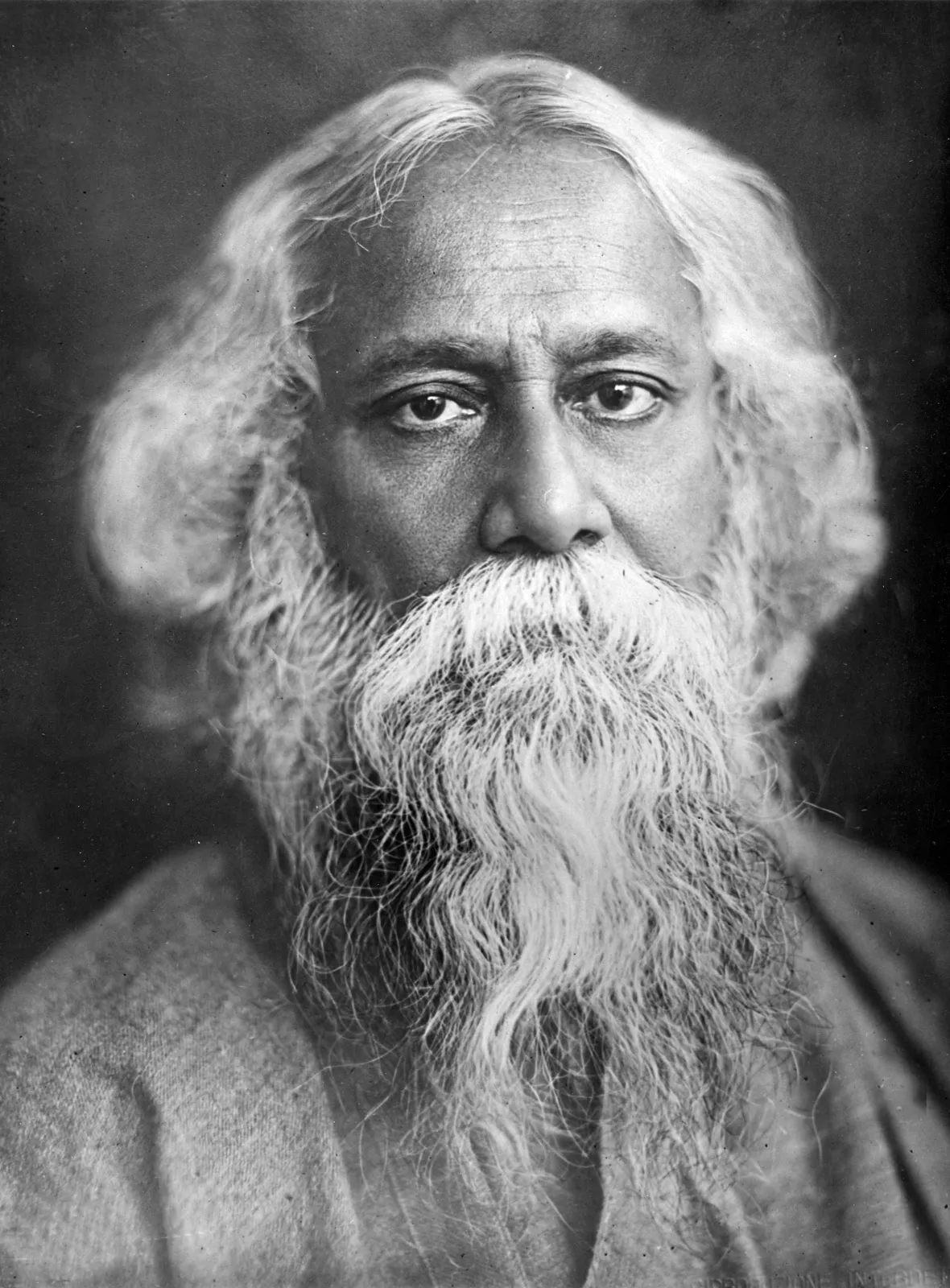
The Depths of Wisdom: Reflections on Tagore's Insight
Rabindranath Tagore's evocative quote, "The small wisdom is like water in a glass: clear, transparent, pure. The great wisdom is like the water in the sea: dark, mysterious, impenetrable," invites us to explore the nature of wisdom itself. In this metaphor, Tagore contrasts two forms of wisdom: the immediate, accessible insights that we often cling to, and the profound, enigmatic truths that elude our understanding. This distinction matters deeply in our quest for meaning, as it challenges us to recognize the limitations of our perceptions and the vastness of the unknown.
As we delve into this exploration, we find ourselves at the intersection of clarity and mystery. The small wisdom, akin to water in a glass, represents the knowledge we can easily grasp and articulate. It is the wisdom we share in conversations, the lessons learned from experience, and the insights that feel tangible and straightforward. In contrast, the great wisdom, like the ocean, embodies the complexities of existence—its depths are filled with currents of thought and emotion that are often beyond our comprehension. This duality invites us to embrace both the clarity of small wisdom and the mystery of great wisdom in our spiritual journey.
The image / the metaphor
Tagore's imagery is striking and layered. The glass of water suggests a sense of containment and simplicity; it is a vessel that holds a finite amount of knowledge, easily visible and understood. The clarity of this water represents the straightforward truths we often rely on in our daily lives. In contrast, the ocean's depths evoke a sense of vastness and complexity. The dark, mysterious waters of the sea symbolize the profound truths that lie beneath the surface, often hidden from view and requiring deep exploration to understand. The verbs chosen—"is like"—invite us to draw parallels, urging us to consider how these two forms of wisdom coexist within us.
Diving deeper into the metaphor, we recognize that the glass of water, while pure, is limited. It can quench our thirst for knowledge but cannot sustain us in the long term. The ocean, however, is a source of life, teeming with possibilities and unknowns. This contrast highlights the importance of humility in our pursuit of wisdom. While small wisdom can provide immediate answers, it is the great wisdom that challenges us to confront our ignorance and embrace the journey of discovery. In this way, Tagore encourages us to seek a balance between the two, acknowledging that both forms of wisdom have their place in our lives.
In the speaker's tradition
Tagore's insights resonate deeply within the Hindu tradition, where the pursuit of wisdom is often intertwined with concepts such as dharma and prajna. Dharma, or the moral order of the universe, guides individuals in their quest for knowledge, while prajna represents the wisdom that transcends ordinary understanding. This duality reflects the interplay between the small wisdom of everyday life and the great wisdom that emerges from spiritual practice and contemplation. In this context, Tagore's quote serves as a reminder that true wisdom is not merely about accumulating knowledge but about engaging with the mysteries of existence.
Moreover, Tagore's perspective can be likened to the Buddhist concept of sunyata, or emptiness, which emphasizes the impermanence and interconnectedness of all things. Just as the ocean is filled with diverse life forms, the great wisdom encompasses the vast array of experiences and insights that shape our understanding of reality. In this light, Tagore's metaphor invites us to embrace the unknown and to cultivate a sense of wonder as we navigate the complexities of life. The interplay between clarity and mystery becomes a central theme in our spiritual journey, urging us to remain open to the depths of wisdom that lie beyond our immediate grasp.
Living the teaching
Consider a modern scenario where this teaching resonates: a young professional grappling with career choices. Initially, they may rely on small wisdom—advice from mentors, industry trends, and personal ambitions. This clear, transparent knowledge helps them make informed decisions. However, as they progress, they encounter challenges that defy easy answers. The great wisdom, represented by the ocean, emerges in moments of uncertainty, inviting them to reflect on their deeper motivations, values, and the interconnectedness of their choices with the larger world. This journey into the depths of their own understanding becomes essential for authentic growth.
In relationships, the application of Tagore's teaching can be equally profound. A couple may initially navigate their partnership with small wisdom, relying on clear communication and shared interests. However, as they face conflicts and misunderstandings, the great wisdom of their relationship begins to surface. This wisdom requires them to delve into the complexities of their emotions, histories, and desires, recognizing that true connection often lies beneath the surface. By embracing the mystery of their shared journey, they cultivate a deeper bond that transcends the limitations of their initial understanding.
A reflection
As we contemplate Tagore's words, we are invited to reflect on our own relationship with wisdom. How do we balance the clarity of small wisdom with the mystery of great wisdom in our lives? Are we willing to embrace the unknown and explore the depths of our understanding, even when it feels uncomfortable? This contemplation encourages us to remain open to the vast ocean of wisdom that awaits us, inviting us to dive deeper into the mysteries of existence.


