Embracing the Depths of Silence and Truth
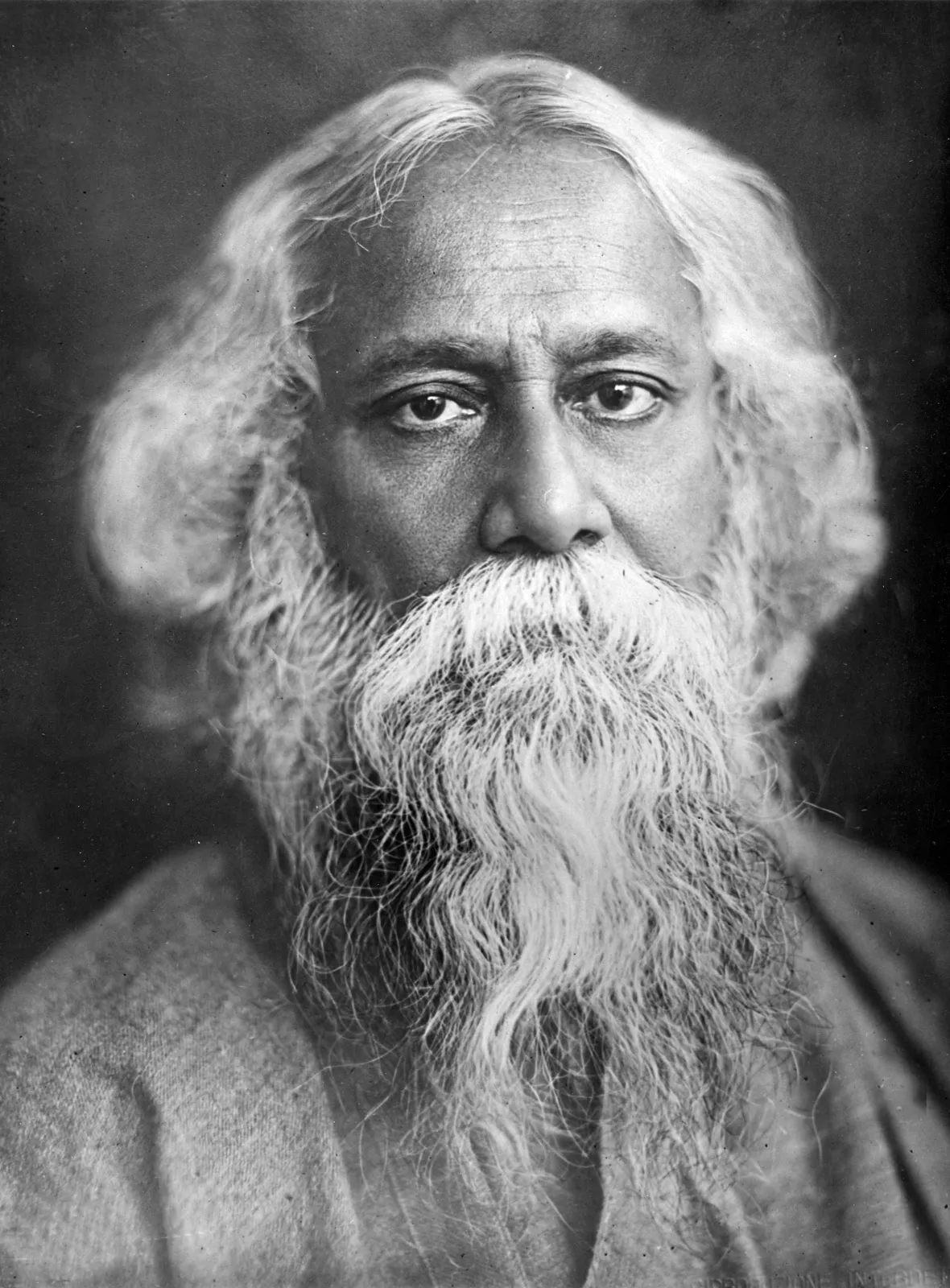
Rabindranath Tagore's profound observation, "The water in a vessel is sparkling; the water in the sea is dark. The small truth has words which are clear; the great truth has great silence," invites us to reflect on the nature of truth and the contrasting ways it can be perceived. In this quote, Tagore draws a distinction between the immediate, tangible truths we often cling to and the deeper, more elusive truths that lie beneath the surface of our understanding. This exploration matters because it challenges us to consider how we engage with truth in our lives, urging us to move beyond the superficial and embrace the profound silence that accompanies greater wisdom.
As we delve deeper into Tagore's words, we recognize that the imagery of water serves as a powerful metaphor for our understanding of truth. The sparkling water in a vessel represents the clarity and simplicity of small truths—those easily articulated and understood. In contrast, the dark water of the sea symbolizes the vast, complex, and often ungraspable nature of greater truths, which require silence and contemplation to truly appreciate. This dichotomy speaks to the human experience of seeking understanding, revealing the limitations of language and the necessity of stillness in the pursuit of deeper insights.
The image / the metaphor
Tagore's imagery of water evokes a sensory experience that resonates deeply within us. The sparkling water in a vessel suggests clarity, accessibility, and the immediate satisfaction of knowing something straightforward. It is a truth that can be easily communicated, shared, and understood. Conversely, the dark water of the sea conjures feelings of mystery and depth, inviting us to ponder the unknown. The verbs chosen—"sparkling" and "dark"—contrast the vibrancy of the known with the obscurity of the unknown, emphasizing the emotional weight of each experience. This juxtaposition invites us to reflect on our own encounters with truth and the ways we navigate between the two realms.
Diving deeper into the metaphor, we can see that the vessel represents our limited perspective, while the sea embodies the vastness of existence and the complexities of life. The small truths we often cling to can provide comfort and clarity, yet they may also confine us within a narrow understanding. The great truths, however, require us to embrace uncertainty and silence, allowing us to connect with the deeper currents of existence. In this way, Tagore encourages us to cultivate a relationship with silence, suggesting that it is in the stillness that we may encounter the profound truths that lie beyond our immediate comprehension.
In the speaker's tradition
Rabindranath Tagore's insights are deeply rooted in the Hindu tradition, which often emphasizes the interplay between the finite and the infinite. Concepts such as dharma, the moral order of the universe, and sunyata, the emptiness that allows for the fullness of existence, resonate with the themes present in Tagore's quote. The notion of kenosis, or self-emptying, also parallels the idea that to grasp the great truths, one must first relinquish the small, ego-driven truths that often dominate our understanding. In this light, Tagore's words serve as a reminder that the journey toward deeper wisdom requires humility and a willingness to embrace silence.
In the Bhagavad Gita, we find a similar exploration of truth and silence. Krishna advises Arjuna to look beyond the surface of his immediate concerns and to seek the eternal truths that lie beneath. This call to introspection and contemplation echoes Tagore's assertion that the great truths are often accompanied by silence, urging us to listen deeply to the wisdom of the universe. Both texts invite us to transcend the limitations of language and to engage with the profound mysteries of existence through stillness and reflection.
Living the teaching
Consider a modern scenario where this teaching might resonate: a heated discussion among friends about a contentious issue. Each person presents their perspective with clarity, articulating their small truths with conviction. Yet, amidst the noise, there is an opportunity for silence—a moment to pause, reflect, and listen deeply to one another. By embracing the silence, the group can move beyond the surface-level arguments and begin to explore the deeper truths that connect them, fostering understanding and compassion. This moment of stillness can transform the conversation, allowing for a richer exchange that honors the complexity of the issue at hand.
In a different context, imagine a relationship facing challenges. Partners may find themselves caught in a cycle of misunderstandings, each clinging to their own small truths. By inviting silence into their interactions—perhaps through mindful communication or shared moments of reflection—they can create space for deeper understanding. This silence allows them to transcend their immediate grievances and connect with the underlying truths of their relationship, fostering healing and growth. In both scenarios, Tagore's teaching reminds us that silence is not merely the absence of sound but a fertile ground for discovering the profound truths that lie beneath the surface.
A reflection
As we contemplate Tagore's words, we are invited to reflect on our own relationship with truth and silence. What small truths do we hold onto that may be limiting our understanding of the greater truths in our lives? In what ways can we cultivate silence to deepen our connection with ourselves and others? By engaging with these questions, we can begin to navigate the delicate balance between the clarity of small truths and the profound depths of silence that accompany the great truths of existence.


