The Endless Vessel: Embracing Divine Renewal
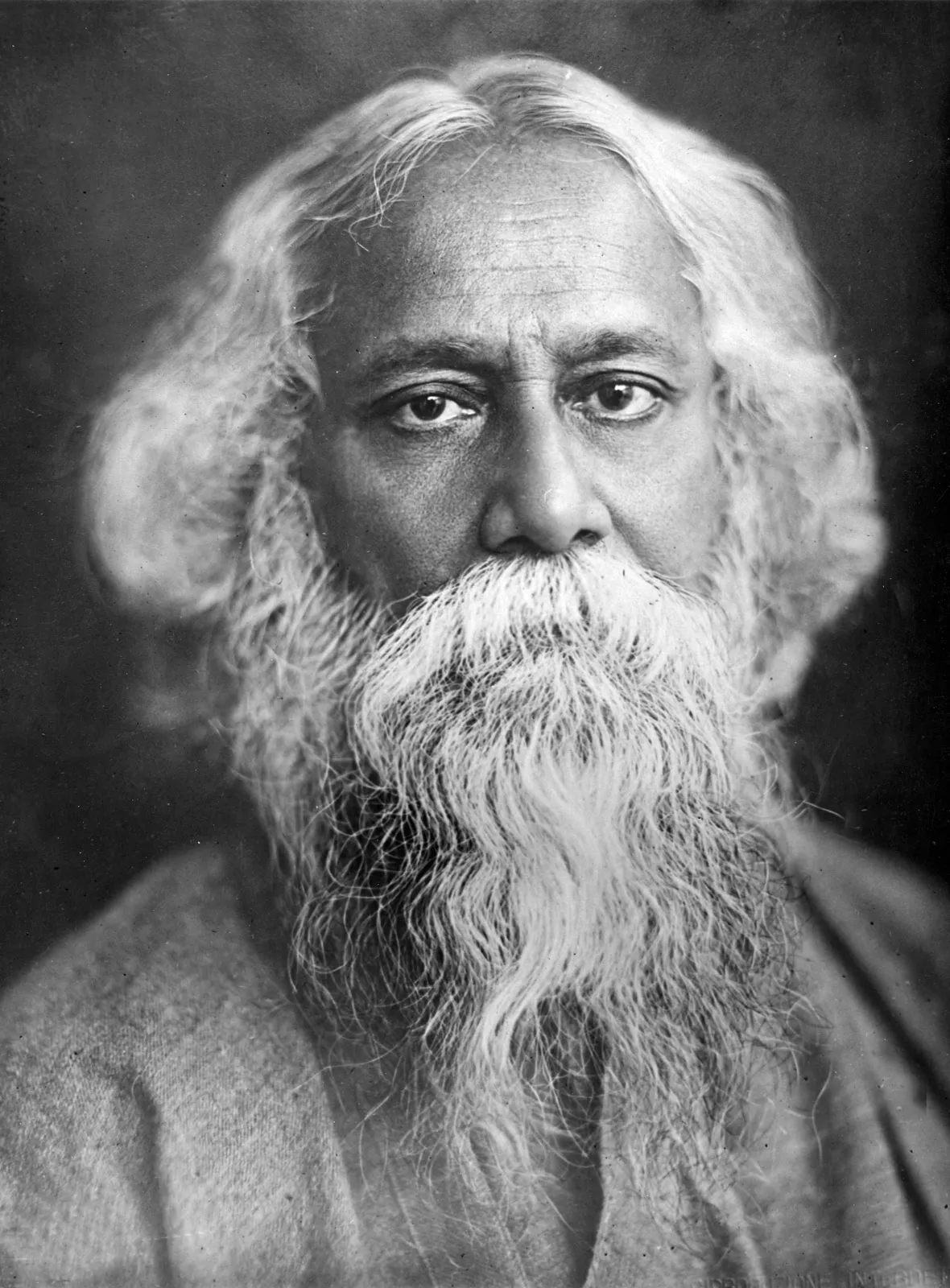
In the profound words of Rabindranath Tagore, "Thou hast made me endless, such is thy pleasure. This frail vessel thou emptiest again and again, and fillest it ever with fresh life." Here, Tagore captures the essence of human existence as a dynamic interplay between divine grace and the fragility of our mortal forms. This quote invites us to reflect on the nature of our being, suggesting that within our transient lives lies an infinite potential for renewal and transformation. It speaks to the heart of our spiritual journey, urging us to embrace the cycles of emptiness and fullness as essential to our growth.
Tagore's words resonate deeply within the context of Hindu philosophy, where the concepts of impermanence and renewal are foundational. The imagery of a vessel, both frail and endless, evokes a sense of vulnerability intertwined with the divine's nurturing presence. This duality invites us to consider how we navigate our lives, recognizing that our experiences of loss and renewal are not merely personal struggles but part of a larger cosmic rhythm. The quote challenges us to find meaning in our emptiness, suggesting that it is through this very emptiness that we can be filled anew.
The image / the metaphor
The metaphor of a "frail vessel" evokes a powerful image of human existence, fragile yet capable of holding infinite potential. Tagore's choice of the word "emptiest" suggests a deliberate act of divine intervention, where the divine continuously pours life into our being. This cyclical process of being emptied and filled again speaks to the transient nature of our experiences, highlighting the impermanence that characterizes life. The use of "endless" juxtaposed with "frail" creates a tension that invites contemplation on the paradox of human existence: we are both limited and limitless, finite yet connected to the infinite.
Diving deeper into the metaphor, we can see that the act of being emptied is not merely a loss but a necessary precursor to renewal. It is in our moments of vulnerability and surrender that we become open to receiving new life, new insights, and new experiences. This process mirrors the cycles of nature, where decay gives way to new growth, and the seasons remind us of the beauty inherent in transformation. Tagore's imagery encourages us to embrace our fragility, recognizing that it is through our willingness to be emptied that we can truly be filled with the richness of existence.
In the speaker's tradition
Rabindranath Tagore's reflections are deeply rooted in the Hindu tradition, where concepts such as dharma, bhakti, and the cyclical nature of life are central to understanding our existence. The idea of kenosis, or self-emptying, resonates with Tagore's assertion that we are vessels meant to be emptied and filled by the divine. This aligns with the notion of sunyata, or emptiness, found in Buddhist thought, which emphasizes the importance of recognizing the transient nature of all things. In this light, Tagore's quote can be seen as an invitation to engage with the divine through a practice of surrender and openness.
Moreover, Tagore's emphasis on renewal can be likened to the teachings found in the Bhagavad Gita, where the cycle of birth, death, and rebirth is explored. The Gita teaches that our true essence is eternal, and the physical body is but a temporary vessel. This perspective encourages us to transcend our attachments to the material world, allowing us to experience the divine presence that fills us anew. Tagore's words echo this sentiment, reminding us that our lives are not merely a series of events but a sacred journey of becoming.
Living the teaching
Consider a modern scenario where this teaching might resonate: a person facing a significant life transition, such as a job loss or the end of a relationship. In such moments, it is easy to feel emptied, as if the very essence of one's identity has been stripped away. Yet, Tagore's wisdom invites us to see this emptiness not as a void but as an opportunity for renewal. By embracing the discomfort of loss, we create space for new possibilities, allowing ourselves to be filled with fresh insights and directions that may have previously been obscured.
This teaching can also be applied in the context of relationships. Imagine a couple navigating a difficult period, where misunderstandings and conflicts leave them feeling drained. In this scenario, the act of being emptied—of expressing vulnerabilities, fears, and desires—can pave the way for deeper connection and understanding. By allowing themselves to be vulnerable, they open the door for renewal in their relationship, discovering new depths of love and intimacy that were previously hidden beneath the surface. Tagore's message encourages us to view our struggles as essential to the process of becoming, reminding us that through emptiness, we can be filled with the richness of shared experience.
A reflection
As we contemplate Tagore's profound words, we are invited to ask ourselves: In what areas of my life am I resisting the process of being emptied? How might embracing this emptiness lead to a deeper experience of renewal and connection with the divine? This question encourages us to reflect on our own journeys, recognizing that the cycles of loss and renewal are not only inevitable but essential to our spiritual growth. By embracing the fullness of our experiences, we can cultivate a deeper understanding of ourselves and our place within the vast tapestry of existence.


