The Cost of True Freedom
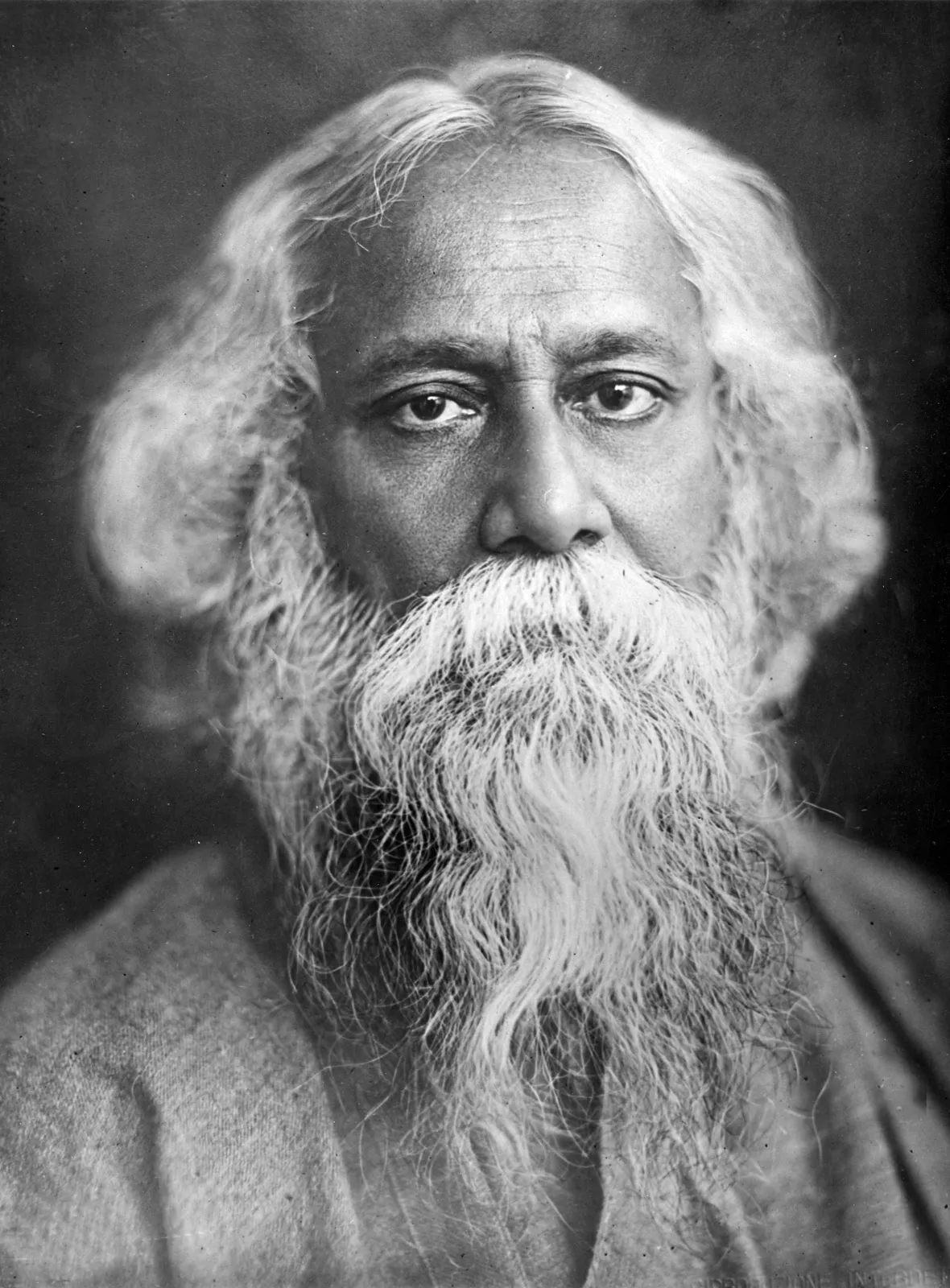
Rabindranath Tagore's assertion that "We gain freedom when we have paid the full price for our right to live" invites us to reflect on the profound relationship between freedom and responsibility. This statement suggests that true liberation is not merely the absence of constraints but rather the result of a deep engagement with the responsibilities that life demands. In a world often enamored with the idea of freedom as a license to act without restraint, Tagore reminds us that authentic freedom emerges from the conscious choices we make and the sacrifices we endure.
To fully grasp the weight of Tagore's words, we must consider the implications of "paying the full price." This phrase evokes a sense of commitment and investment, suggesting that our freedom is intertwined with the struggles and challenges we face. It is through confronting our fears, embracing our duties, and navigating the complexities of existence that we cultivate a sense of autonomy. This perspective challenges us to reconsider our understanding of freedom, urging us to see it as a dynamic interplay between personal agency and the responsibilities we bear towards ourselves and others.
The image / the metaphor
At first glance, Tagore's quote conjures images of a marketplace where one must exchange something of value for a desired outcome. The "full price" implies that freedom is not a gift but a hard-earned achievement, one that requires effort, sacrifice, and sometimes suffering. The verbs "gain" and "paid" suggest an active process, emphasizing that freedom is not simply bestowed upon us but is something we must actively pursue and earn through our actions and choices.
Diving deeper into the metaphor, we can see that the notion of "paying the full price" extends beyond material transactions. It speaks to the emotional and spiritual investments we make in our lives. Just as a farmer toils in the fields to reap a bountiful harvest, we must engage in the labor of self-discovery, accountability, and ethical living to cultivate the freedom we seek. This metaphor invites us to consider what we are willing to sacrifice for our autonomy and how our choices shape the very essence of our existence.
In the speaker's tradition
Rabindranath Tagore's insights are deeply rooted in the Hindu tradition, where concepts such as dharma and karma play pivotal roles in understanding the nature of freedom. Dharma, often translated as duty or righteousness, emphasizes the importance of fulfilling one's responsibilities in accordance with cosmic law. In this context, freedom is not merely a personal pursuit but a collective responsibility that binds us to the greater tapestry of existence. Tagore's perspective aligns with the idea that true freedom arises when we act in harmony with our dharma, recognizing that our choices have far-reaching implications.
Moreover, Tagore's thoughts resonate with the concept of kenosis, or self-emptying, found in various spiritual traditions. This idea suggests that in order to attain a higher state of being, one must relinquish ego-driven desires and embrace a life of service and humility. In his work "Sadhana," Tagore explores the interplay between the self and the universe, illustrating that our liberation is intricately linked to our willingness to engage with the world around us. By paying the price of selflessness and commitment, we unlock the door to genuine freedom.
Living the teaching
Consider a modern scenario where this teaching finds relevance: a young professional grappling with the demands of a high-pressure job. In pursuit of career advancement, they may feel the allure of freedom in the form of financial independence and social status. However, as they navigate the complexities of office politics and long hours, they begin to realize that true freedom lies not in the superficial trappings of success but in the integrity of their work and the relationships they foster. By committing to their values and investing in their personal growth, they discover a deeper sense of autonomy that transcends mere external achievements.
This teaching also applies to interpersonal relationships, particularly in moments of conflict. Imagine a couple facing a disagreement that threatens to unravel their connection. In this situation, the notion of "paying the full price" manifests as a willingness to engage in difficult conversations, to listen deeply, and to take responsibility for one's actions. By embracing vulnerability and accountability, they create a space for healing and understanding, ultimately strengthening their bond. Here, freedom is not about winning an argument but about cultivating a relationship grounded in mutual respect and love.
A reflection
As we contemplate Tagore's profound assertion, we are invited to reflect on our own lives: What sacrifices are we willing to make in pursuit of our freedom? Are we prepared to embrace the responsibilities that come with our choices, recognizing that true liberation often requires us to confront our fears and engage with the world around us? In this moment of introspection, let us consider how we can embody the spirit of Tagore's wisdom, transforming our understanding of freedom into a lived reality that honors both our individuality and our interconnectedness.


