Seeing Beyond Illusion: The Wisdom of Perception
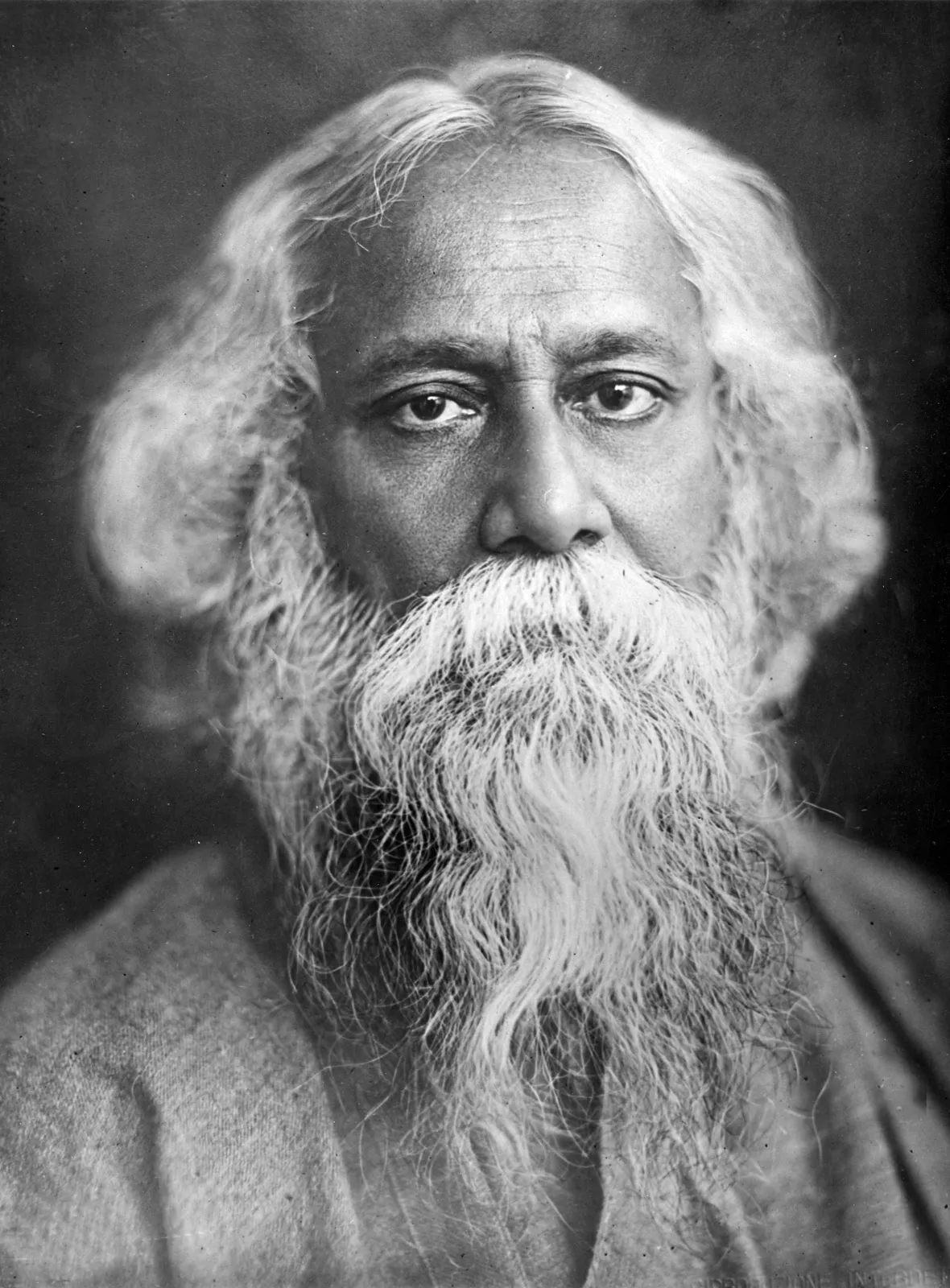
Rabindranath Tagore's poignant observation, "We read the world wrong and say that it deceives us," invites us to reflect on the nature of our perceptions and the often misleading interpretations we impose upon our experiences. This statement underscores a profound truth: our understanding of reality is frequently clouded by our biases, fears, and preconceived notions. In a world where clarity is often obscured by the fog of misunderstanding, Tagore urges us to examine the lens through which we view our surroundings and ourselves, suggesting that the true deception lies not in the world but in our own interpretations.
Delving deeper into this insight, we recognize that the act of perceiving is not merely passive; it is an active engagement with the world that shapes our reality. Tagore's words challenge us to confront the discomfort of our misreadings, prompting a journey toward greater awareness and understanding. By acknowledging our role in the creation of our experiences, we open ourselves to the possibility of transformation, allowing wisdom to emerge from the depths of our misinterpretations. This exploration is not just an intellectual exercise; it is a spiritual awakening that calls us to align our perceptions with the deeper truths of existence.
The image / the metaphor
At the heart of Tagore's quote lies a vivid metaphor that likens our perceptions to a text we misread. The imagery of "reading the world" evokes the idea of interpreting signs, symbols, and experiences, much like one would read a book. The choice of the verb "read" suggests an active process, implying that our understanding is not a mere reflection of reality but rather a complex interaction between our inner selves and the outer world. When Tagore speaks of the world deceiving us, he highlights the dissonance between our interpretations and the essence of what is before us, urging us to consider the possibility that our misreadings are the true source of our discontent.
Going deeper into this metaphor, we can see that the act of reading is inherently subjective, colored by our emotions, experiences, and beliefs. Just as a reader may interpret a text in myriad ways, so too do we interpret the world through our unique lenses. This subjectivity can lead to a sense of alienation and confusion, as we project our inner turmoil onto the world around us. Tagore's insight serves as a reminder that the world itself is not inherently deceptive; rather, it is our interpretations that can lead us astray. By cultivating awareness of our perceptions, we can begin to discern the difference between reality and our interpretations, allowing us to engage with the world more authentically.
In the speaker's tradition
Rabindranath Tagore's wisdom is deeply rooted in the Hindu tradition, which emphasizes the importance of perception and understanding in the pursuit of truth. Concepts such as *maya* (illusion) and *sunyata* (emptiness) resonate with Tagore's assertion, as they highlight the ways in which our perceptions can obscure the underlying reality of existence. In Hindu philosophy, the journey toward enlightenment involves recognizing the illusions we create and transcending them to experience the true nature of the self and the universe. Tagore's call to examine our perceptions aligns with the spiritual practice of *dharma*, which encourages individuals to seek truth and live in harmony with the world.
Moreover, Tagore's insights can be compared to the teachings found in the *Bhagavad Gita*, where Lord Krishna imparts wisdom to Arjuna about the nature of reality and the importance of discernment. The Gita emphasizes the need for clarity in understanding one's duty and the world, urging individuals to look beyond the surface and engage with the deeper truths of existence. In this light, Tagore's quote serves as a contemporary echo of these timeless teachings, inviting us to cultivate a discerning mind and heart as we navigate the complexities of life.
Living the teaching
Consider a modern scenario where this teaching resonates: a person faces a challenging situation at work, feeling overwhelmed by the demands placed upon them. In their frustration, they may perceive their colleagues as unsupportive or the environment as hostile. However, if they pause to reflect on Tagore's insight, they might recognize that their interpretation of the situation is colored by their own stress and expectations. By shifting their perspective and seeking to understand the motivations and challenges of their colleagues, they can transform their experience from one of isolation to one of collaboration and support.
This teaching also finds application in personal relationships. Imagine a couple experiencing tension due to misunderstandings and unspoken grievances. Each partner may feel that the other is intentionally causing pain or neglect. However, if they embrace Tagore's wisdom, they can begin to question their perceptions and assumptions. By engaging in open dialogue and expressing their feelings, they may discover that their interpretations were rooted in fear rather than reality. This process of reevaluation not only deepens their connection but also fosters a greater sense of empathy and understanding, allowing love to flourish amidst the complexities of human interaction.
A reflection
As we contemplate Tagore's profound words, we are invited to ask ourselves: In what ways do I misread the world around me, and how might this affect my relationships and experiences? This question encourages a deep exploration of our perceptions, urging us to examine the narratives we construct and the beliefs we hold. By engaging with this inquiry, we can cultivate a greater sense of awareness and openness, allowing us to navigate life with a clearer vision and a more compassionate heart.


