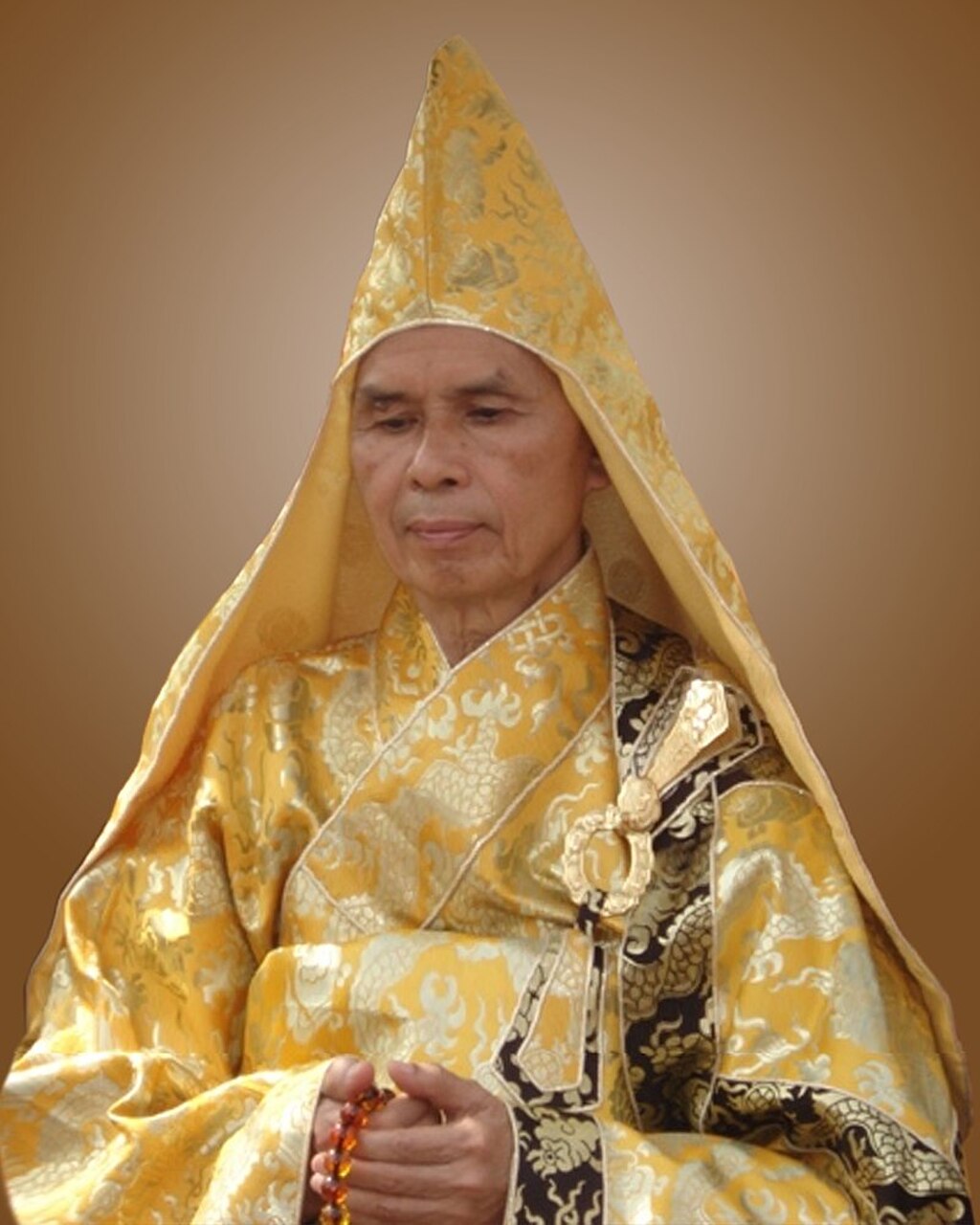
The Healing Power of Compassionate Listening
Thich Nhat Hanh's assertion that "listening with compassion is the medicine that heals" invites us to consider the profound impact of our listening practices on both ourselves and others. In a world often marked by disconnection and misunderstanding, the act of listening becomes a powerful antidote, capable of fostering healing and reconciliation. This quote emphasizes that true listening transcends mere auditory engagement; it requires an open heart and a willingness to be present with another's suffering.
Compassionate listening is not just about hearing words; it is about attuning ourselves to the emotional and spiritual states of those around us. In this way, listening becomes an act of love, a bridge that connects us to the experiences of others. Thich Nhat Hanh, a master of mindfulness and compassion, reminds us that through this deep engagement, we can alleviate pain and foster understanding, creating a space where healing can truly take place.
The image / the metaphor
The imagery in Thich Nhat Hanh's quote evokes a sense of nurturing and care. The word "medicine" suggests a remedy, something that can alleviate suffering and restore balance. Listening, in this context, is not a passive act; it is an active engagement that requires our full presence and attention. The use of "compassion" further deepens this image, indicating that our listening must be infused with empathy and understanding, allowing us to resonate with the feelings of others.
Diving deeper into the metaphor, we can see that listening with compassion is akin to a healing balm applied to a wound. Just as medicine addresses physical ailments, compassionate listening addresses emotional and spiritual wounds. It invites us to create a safe space where individuals feel seen and heard, allowing their vulnerabilities to surface without fear of judgment. This transformative process not only aids the speaker but also enriches the listener, fostering a mutual exchange of healing energy.
In the speaker's tradition
Thich Nhat Hanh's teachings are deeply rooted in the Buddhist tradition, where concepts such as "karuna" (compassion) and "sangha" (community) play pivotal roles. In Buddhism, the practice of listening is not merely a skill but a form of mindfulness that cultivates awareness and connection. The act of listening with compassion aligns with the Buddhist principle of "dharma," which emphasizes the importance of understanding and alleviating suffering in ourselves and others.
In his book "True Love," Thich Nhat Hanh elaborates on the significance of deep listening as a practice that nurtures love and understanding. He draws parallels between listening and the concept of "kenosis," or self-emptying, where one must let go of preconceived notions and judgments to fully embrace another's experience. This selfless act of listening not only fosters healing but also cultivates a sense of unity, reflecting the interconnectedness that is central to Buddhist philosophy.
Living the teaching
Consider a modern scenario where a friend is grappling with the loss of a loved one. In this moment of grief, they may not seek solutions or advice; rather, they yearn for someone to truly hear their pain. By practicing compassionate listening, you can create a space where your friend feels safe to express their sorrow without interruption or judgment. This act of presence can be profoundly healing, allowing them to process their emotions and feel supported in their journey of grief.
A reflection
As we reflect on Thich Nhat Hanh's poignant words, we might ask ourselves: How can I cultivate the practice of compassionate listening in my daily interactions? This question invites us to explore the ways in which we engage with others, encouraging us to approach conversations with an open heart and a willingness to truly hear. In doing so, we not only honor the experiences of those around us but also embark on a path of healing for ourselves and our communities.