The Art of Present Awareness
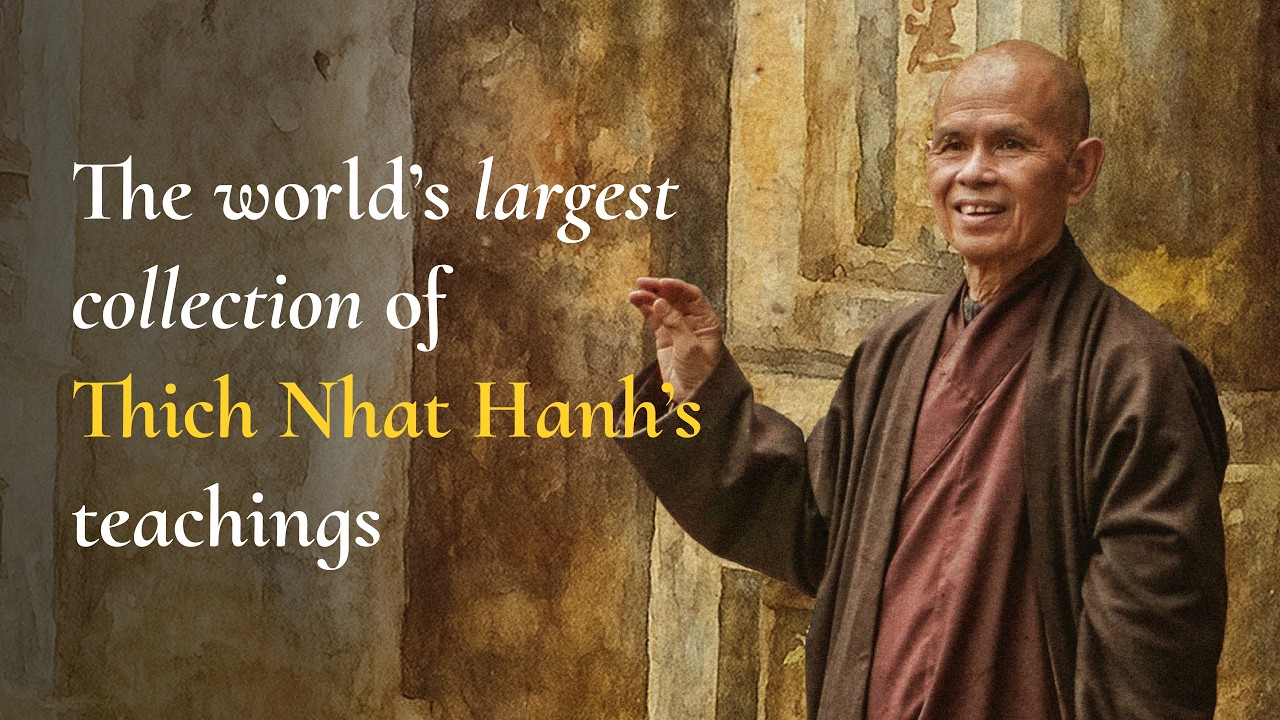
Thich Nhat Hanh's assertion that "mindfulness is recognizing what is happening in the present moment" invites us to engage deeply with our immediate experiences. This simple yet profound statement serves as a gateway to understanding the essence of mindfulness, which is not merely a practice but a way of being. In a world often dominated by distractions and future anxieties, this teaching urges us to cultivate an awareness that grounds us in the now, illuminating the richness of each moment.
To recognize what is happening in the present moment is to embrace life as it unfolds, free from the burdens of past regrets or future worries. This recognition is not passive; it requires an active engagement with our thoughts, feelings, and surroundings. By anchoring ourselves in the present, we can cultivate a sense of clarity and peace, allowing us to respond to life with greater wisdom and compassion. The stakes are high, as this practice not only enhances our personal well-being but also fosters deeper connections with others and the world around us.
The image / the metaphor
The imagery within Thich Nhat Hanh's quote evokes a sense of awakening. To "recognize" suggests an active, conscious effort to observe and acknowledge our current reality. It is a call to be fully present, to see the world with fresh eyes, and to engage with our experiences without judgment. The verb "is" emphasizes the immediacy of this recognition, urging us to let go of distractions and immerse ourselves in the unfolding moment.
Diving deeper into the metaphor, we can see mindfulness as a lens through which we view our lives. It is akin to a clear window that allows us to see the beauty and complexity of our experiences without distortion. This clarity enables us to appreciate the subtleties of life, from the gentle rustle of leaves to the warmth of a loved one's smile. By cultivating this awareness, we transform our relationship with the present, allowing it to become a source of insight and joy.
In the speaker's tradition
Thich Nhat Hanh's teachings are deeply rooted in the Buddhist tradition, where mindfulness is considered a vital aspect of the path to enlightenment. Central to this tradition is the concept of dharma, which encompasses the teachings of the Buddha and the nature of reality. Mindfulness, or "sati," is a key practice that helps practitioners cultivate awareness and insight, leading to a deeper understanding of the interconnectedness of all things. This recognition of the present moment is also linked to the notion of "sunyata," or emptiness, which invites us to see beyond the illusions of self and separation.
In his seminal work, "The Heart of the Buddha's Teaching," Thich Nhat Hanh emphasizes the importance of mindfulness in cultivating compassion and wisdom. He draws parallels between mindfulness and the practice of "prajna," or wisdom, which arises from direct experience and understanding. By recognizing what is happening in the present moment, we can cultivate a deeper awareness that transcends dualistic thinking and fosters a sense of unity with all beings.
Living the teaching
Consider a modern scenario where this teaching can be applied: a busy morning commute. Many of us find ourselves rushing to work, our minds preoccupied with tasks and deadlines. By practicing mindfulness in this moment, we can shift our focus from the chaos of our thoughts to the sensations of our surroundings—the feel of the steering wheel, the sounds of the city, or the rhythm of our breath. This simple act of recognition can transform an ordinary commute into a moment of presence, allowing us to arrive at our destination with a clearer mind and a more open heart.
Another application of this teaching can be found in our relationships. Imagine a conversation with a loved one where distractions abound—phones buzzing, thoughts wandering. By consciously recognizing what is happening in that moment, we can choose to be fully present, listening deeply and engaging authentically. This commitment to mindfulness not only enriches our interactions but also fosters a sense of connection and understanding that can deepen our bonds with others.
A reflection
As we contemplate Thich Nhat Hanh's insight into mindfulness, we are invited to reflect on our own relationship with the present moment. How often do we find ourselves lost in thought, missing the beauty of what is right in front of us? In what ways can we cultivate a greater awareness of our experiences, allowing us to fully embrace the richness of life as it unfolds? Consider this question as a guiding light on your journey toward deeper mindfulness.