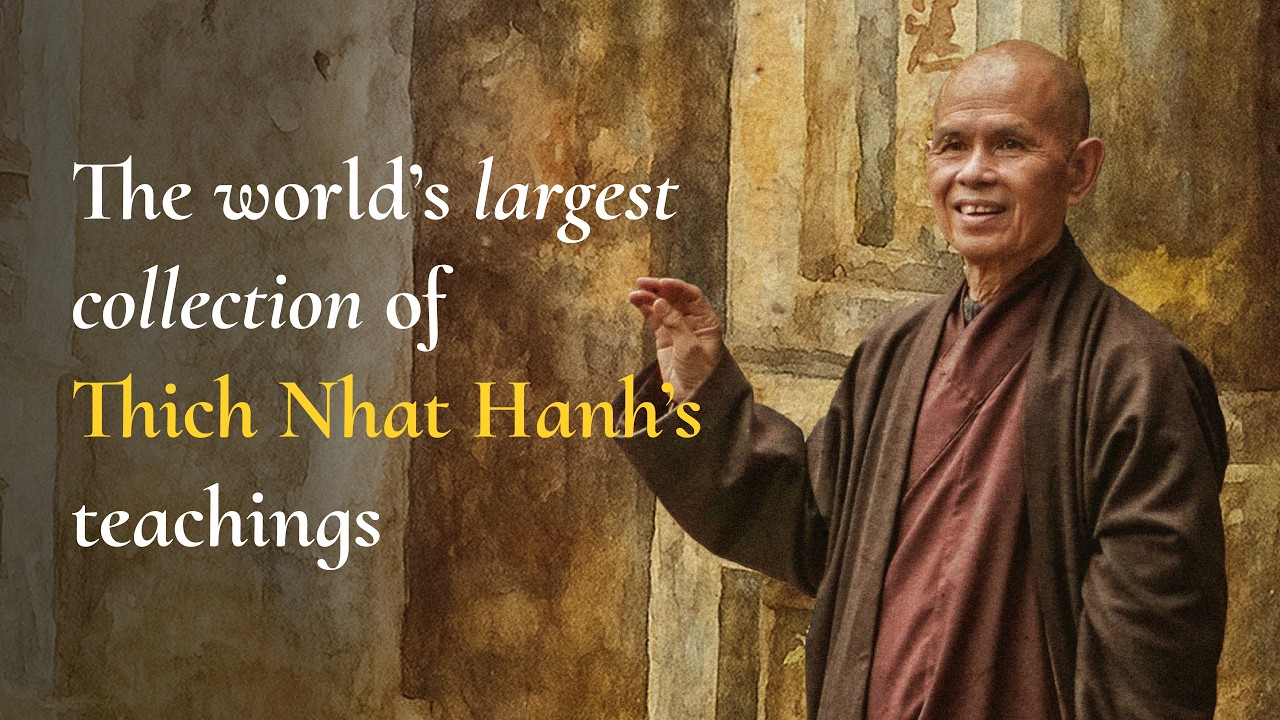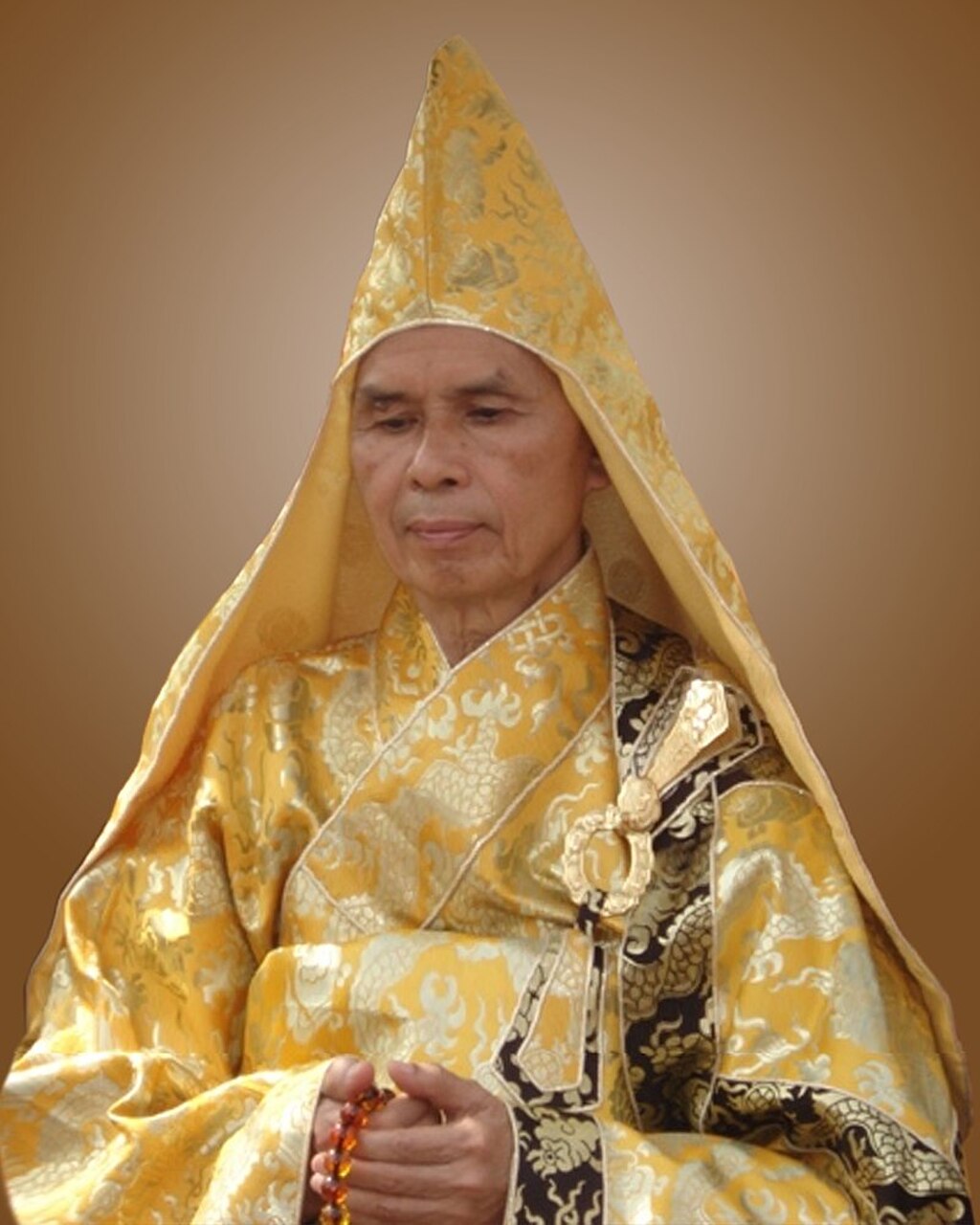
The Kingdom of Presence: Now or Never
Thich Nhat Hanh's assertion that "the kingdom of God is now or never" invites us to consider the immediacy of spiritual awakening and the profound significance of the present moment. This statement challenges our tendency to postpone happiness or enlightenment, suggesting instead that the essence of our spiritual journey is rooted in the here and now. The stakes are high; to miss this moment is to miss the very essence of life itself, which is often obscured by our distractions and anxieties.
In a world that often prioritizes future aspirations or past regrets, Hanh's words serve as a gentle yet firm reminder that the kingdom we seek—be it peace, joy, or enlightenment—is not a distant reality but a present possibility. This perspective encourages us to cultivate mindfulness, to engage fully with our current experiences, and to recognize that each moment holds the potential for awakening. The invitation is clear: to embrace the present is to step into the fullness of life, where the sacred and the mundane intertwine.
The image / the metaphor
The imagery in Hanh's quote evokes a sense of immediacy and urgency. The phrase "now or never" suggests a pivotal choice, a crossroads where one must decide to engage with life fully in the present moment. The "kingdom of God" here can be interpreted as a state of being characterized by love, compassion, and interconnectedness, which is accessible only when we are fully present. The verbs chosen—"is" and "now"—emphasize existence and immediacy, urging us to recognize that the spiritual realm is not a future destination but a current reality waiting to be embraced.
Diving deeper into the metaphor, we can see that the "kingdom" is not a physical place but a state of consciousness. It represents a profound inner peace and understanding that can only be realized when we let go of distractions and fully inhabit the present. This kingdom is cultivated through mindfulness, a practice that allows us to see the beauty and interconnectedness of all things, transforming ordinary moments into sacred experiences. In this light, Hanh's quote becomes a call to awaken to the richness of life that is available to us at every moment.
In the speaker's tradition
Thich Nhat Hanh's teachings are deeply rooted in the Buddhist tradition, where concepts such as mindfulness (sati) and interbeing play crucial roles in understanding the nature of existence. The idea that "the kingdom of God is now or never" aligns with the Buddhist emphasis on the present moment as the only time we can truly experience life. In Buddhism, the notion of sunyata, or emptiness, teaches us that our perceptions of time and self are often illusions, and that liberation comes from recognizing the impermanence of all things. This understanding invites us to engage with the present moment fully, allowing us to experience the kingdom of peace and joy that resides within.
In his seminal work, "Peace Is Every Step," Hanh elaborates on the importance of mindfulness in everyday life, illustrating how being present can transform our experiences. He draws parallels between the teachings of the Buddha and the essence of living in the now, emphasizing that true happiness and peace are found not in future achievements but in our current awareness. This perspective resonates with the teachings found in other Buddhist texts, such as the "Dhammapada," which reminds us that our thoughts and actions in the present shape our future experiences.
Living the teaching
Consider a modern scenario where this teaching can be applied: imagine a busy professional, overwhelmed by deadlines and future goals. In the midst of this chaos, the reminder that "the kingdom of God is now or never" can serve as a powerful catalyst for change. By pausing to breathe and engage with the present moment, this individual can transform their experience of work from a source of stress to an opportunity for mindfulness. Each task becomes a chance to practice presence, allowing for greater clarity and connection to emerge, ultimately leading to a more fulfilling work life.
Another application of this teaching can be found in personal relationships. Picture a couple caught in a cycle of misunderstandings and unspoken grievances. By embracing the idea that the kingdom is now, they can choose to engage in open, honest communication in the present moment rather than allowing past grievances to dictate their interactions. This shift fosters a deeper connection, as both partners learn to listen and respond with compassion, creating a shared space where love and understanding can flourish. In this way, the practice of mindfulness becomes a bridge to deeper intimacy and connection.
A reflection
As we contemplate Thich Nhat Hanh's profound statement, we are invited to reflect on our own relationship with the present moment. Are we often caught in the web of future aspirations or past regrets, missing the beauty of now? In what ways can we cultivate a deeper awareness of our current experiences, allowing us to step into the kingdom of presence that is available to us at all times? This contemplation invites us to explore the richness of each moment, recognizing that the true essence of life unfolds in the here and now.