The Transformative Power of a Smile
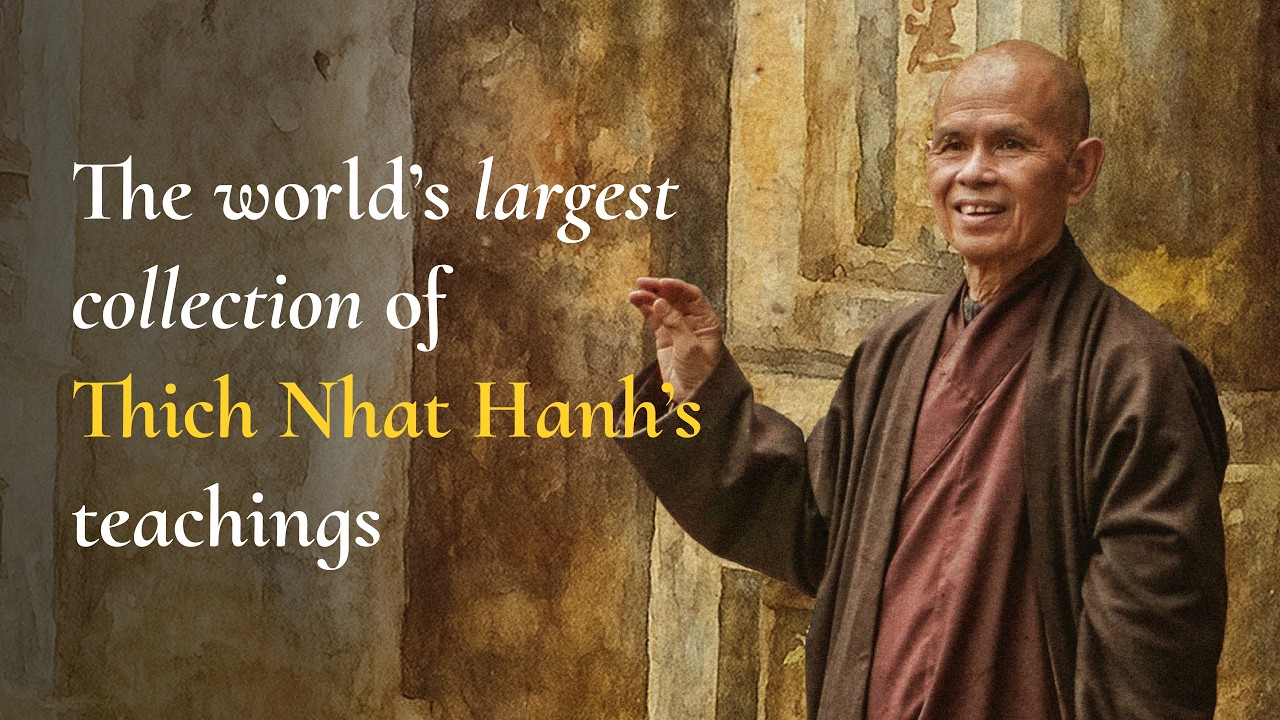
Thich Nhat Hanh's assertion that "to smile is to bring joy to ourselves and to those around us" invites us to consider the profound impact of a simple gesture. In a world often overshadowed by stress and disconnection, the act of smiling emerges as a powerful tool for fostering joy, both internally and externally. This quote emphasizes the interconnectedness of our emotional states, suggesting that our expressions can ripple through our communities, creating waves of positivity and warmth.
Moreover, this teaching encourages us to recognize the agency we possess in cultivating joy. A smile is not merely a reflex; it is a conscious choice that can alter our mood and influence the atmosphere around us. By embracing this practice, we not only uplift ourselves but also contribute to the collective well-being of those we encounter. In this way, Thich Nhat Hanh's wisdom serves as a gentle reminder of the beauty and simplicity inherent in human connection.
The image / the metaphor
At its core, the quote evokes a vivid image of a smile as a bridge between individuals. The verb "to smile" suggests an active engagement with the world, a deliberate act that transcends mere facial expression. It conjures feelings of warmth, openness, and approachability, inviting others to share in a moment of joy. The phrase "bring joy" further emphasizes the transformative power of this action, suggesting that joy is not a solitary experience but rather something that can be shared and multiplied through our interactions.
Diving deeper into the metaphor, we can see the smile as a reflection of our inner state. It symbolizes a moment of clarity and presence, a manifestation of mindfulness that allows us to connect authentically with others. In this light, a smile becomes a form of communication that transcends words, conveying compassion and understanding. It serves as a reminder that even in the midst of life's challenges, we have the capacity to choose joy and share it with those around us.
In the speaker's tradition
Thich Nhat Hanh's teachings are deeply rooted in the Buddhist tradition, where concepts such as interbeing and mindfulness play a crucial role. The idea of interbeing suggests that all beings are interconnected, and our actions—no matter how small—have far-reaching implications. By smiling, we engage in an act of kenosis, or self-emptying, where we let go of our burdens and open ourselves to the joy of the present moment. This aligns with the Buddhist practice of cultivating compassion, where the happiness of oneself and others is seen as inseparable.
In his book "Peace Is Every Step," Thich Nhat Hanh emphasizes the importance of mindfulness in daily life, encouraging us to be fully present in our interactions. This practice resonates with the teachings of the Buddha, who spoke of the Four Noble Truths and the Eightfold Path as a means to alleviate suffering. By smiling, we embody the essence of these teachings, transforming our awareness into a source of joy that can uplift not only ourselves but also those around us.
Living the teaching
Consider a modern scenario where this teaching can be applied: walking into a crowded coffee shop on a busy morning. The atmosphere may be tense, with people hurriedly placing orders and checking their phones. In this moment, a simple smile can serve as a beacon of warmth, breaking through the tension and inviting others to pause and connect. By choosing to smile, you not only elevate your own mood but also create an opportunity for others to respond in kind, fostering a sense of community amidst the chaos.
Another application of this teaching can be found in personal relationships, particularly during difficult conversations. Imagine a moment of conflict with a loved one, where emotions run high and misunderstandings abound. In such instances, a genuine smile can act as a powerful tool for de-escalation, signaling openness and a willingness to listen. By embodying joy through a smile, we create space for healing and understanding, reminding ourselves and others that connection is possible even in challenging times.
A reflection
As we contemplate Thich Nhat Hanh's words, we are invited to reflect on the role of joy in our lives. How often do we consciously choose to smile, not only for ourselves but also for those around us? In what ways can we cultivate this practice in our daily interactions, allowing our smiles to become a source of connection and joy? Let this contemplation guide us toward a deeper understanding of the power we hold to influence our own happiness and that of others.