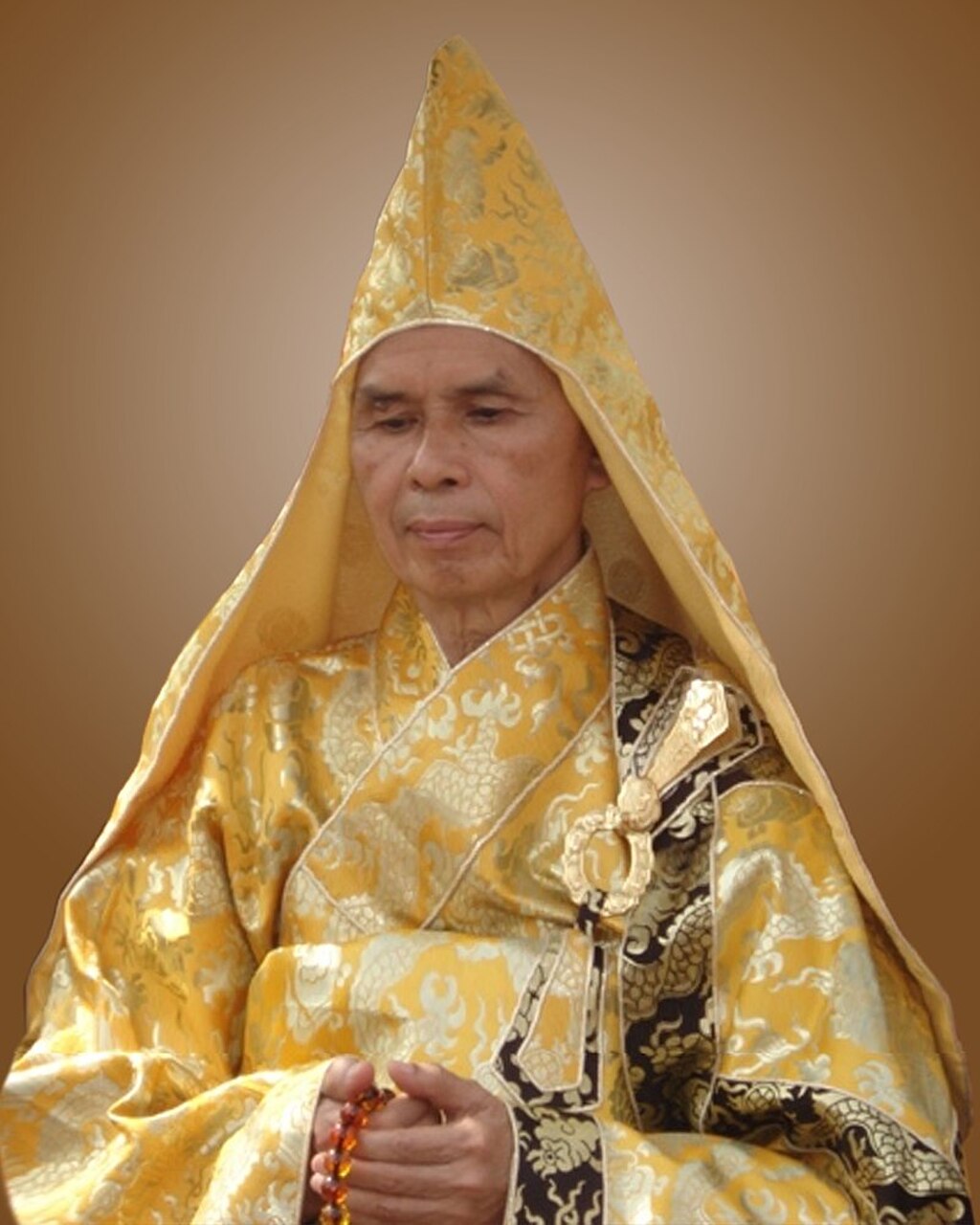
Interbeing: The Illusion of Solitude
Thich Nhat Hanh's profound assertion, "You cannot be alone. You inter-are with everything else," invites us to reconsider our understanding of solitude and connection. In a world that often glorifies individualism, this statement serves as a gentle reminder of our inherent interconnectedness. It challenges the notion that we exist in isolation, urging us to recognize the intricate web of relationships that bind us to all beings and the environment around us. This realization is not merely philosophical; it has profound implications for how we live our lives and relate to one another.
As we delve deeper into this teaching, we uncover layers of meaning that resonate with the core of Buddhist philosophy. The concept of "interbeing" suggests that our existence is not a solitary endeavor but a collective experience. Each moment, each breath, and each thought is intertwined with the universe, echoing the idea that our well-being is inextricably linked to the well-being of others. This understanding fosters compassion and empathy, inviting us to engage with the world in a more meaningful and responsible way.
The image / the metaphor
The imagery in Thich Nhat Hanh's quote evokes a sense of unity and belonging. The verb "inter-are" is particularly striking; it suggests a dynamic relationship rather than a static state of being. To "inter-are" implies that our existence is not separate from the world around us but is instead a continuous interplay of influences and connections. This notion can be felt in the simple act of breathing, where the air we inhale is shared with countless beings, and the trees that provide it are nourished by the very same breath we exhale.
Diving deeper into this metaphor, we can see that "interbeing" transcends the boundaries of self and other. It invites us to envision ourselves as part of a larger tapestry, where each thread contributes to the overall design. This interconnectedness can be both comforting and daunting; it reminds us that our actions have far-reaching consequences. When we harm another, we ultimately harm ourselves, and when we nurture the world, we nurture our own spirit. This intricate dance of existence calls for mindfulness and awareness in our daily interactions.
In the speaker's tradition
Thich Nhat Hanh's teachings are deeply rooted in the Buddhist tradition, where the concept of interbeing aligns closely with the principles of dependent origination and sunyata, or emptiness. These teachings emphasize that nothing exists in isolation; rather, all phenomena arise in dependence upon various conditions. This understanding dismantles the illusion of a separate self, revealing that our identities are shaped by our relationships and experiences. In this light, the practice of mindfulness becomes a way to cultivate awareness of our interconnectedness and to live in harmony with the world.
A relevant text that echoes this sentiment is the Heart Sutra, which articulates the essence of emptiness and the interdependent nature of all things. The sutra states, "Form is emptiness, emptiness is form," encapsulating the idea that our perceptions of separation are mere illusions. By recognizing the emptiness inherent in all forms, we can begin to see the profound connections that exist between ourselves and the universe. This realization invites us to cultivate compassion and understanding, as we recognize that the suffering of one is the suffering of all.
Living the teaching
Consider a modern scenario where this teaching can be applied: a busy urban environment where individuals often feel isolated despite being surrounded by others. In such a setting, one might feel overwhelmed by the hustle and bustle, perceiving themselves as alone in their struggles. However, by embracing the concept of interbeing, one can shift their perspective. Instead of seeing themselves as isolated, they can recognize that others share similar experiences of stress and longing for connection. This awareness can foster a sense of community, prompting acts of kindness and understanding toward fellow commuters.
Another application of this teaching can be found in personal relationships, particularly during moments of conflict. When disagreements arise, it is easy to view the other person as an adversary, reinforcing the illusion of separation. However, by remembering that we "inter-are," we can approach the situation with empathy, recognizing that the other person's feelings and experiences are as valid as our own. This shift in perspective can lead to more constructive conversations and a deeper understanding of one another, ultimately strengthening the bond between individuals.
A reflection
As we contemplate Thich Nhat Hanh's words, we are invited to reflect on our own lives and the connections we share with others. How can we cultivate a deeper awareness of our interbeing in our daily interactions? This question encourages us to explore the ways in which our actions impact those around us and to consider how we can foster a sense of unity and compassion in our communities. By embracing the truth of interbeing, we can transform our experience of solitude into one of profound connection and belonging.