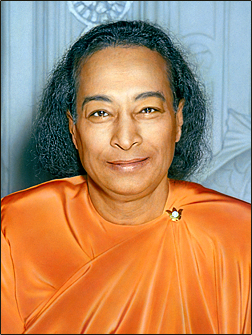
The Art of Quiet Presence: Embracing the Moment
Paramahansa Yogananda invites us to "live quietly in the moment and see the beauty of all before you. The future will take care of itself." This profound statement encourages us to immerse ourselves in the present, appreciating the richness of our immediate surroundings while relinquishing the burdens of future anxieties. In a world often characterized by relentless striving and distraction, Yogananda's words serve as a gentle reminder of the power of presence and the inherent beauty that exists in each moment.
To live quietly in the moment is not merely a call to mindfulness; it is an invitation to cultivate a deep sense of trust in the unfolding of life. Yogananda's assertion that "the future will take care of itself" suggests a profound faith in the natural flow of existence. This faith allows us to release our grip on the future, enabling us to engage fully with the present. In doing so, we may discover a beauty that transcends the ordinary, revealing the sacredness woven into the fabric of our daily lives.
The image / the metaphor
The imagery in Yogananda's quote evokes a serene landscape where one can pause and observe the beauty that surrounds them. The phrase "live quietly" suggests a gentle stillness, a softening of the mind's incessant chatter. The act of seeing the beauty "of all before you" invites us to engage our senses fully, to notice the intricate details of life that often go unnoticed. This call to presence is not just about observation; it is about a deep, felt experience of the world, where beauty becomes a source of nourishment for the soul.
Diving deeper into the metaphor, we can understand that "the future will take care of itself" is not an invitation to passivity but rather a call to trust in the unfolding of life. It suggests that when we anchor ourselves in the present, we align with a greater rhythm of existence. This alignment allows us to act with clarity and purpose, rather than from a place of fear or anxiety about what lies ahead. In this way, Yogananda's words become a guiding light, illuminating the path of trust and presence.
In the speaker's tradition
Yogananda's teachings are deeply rooted in the tradition of yoga, which emphasizes the importance of presence and awareness. Concepts such as dharma, or one's rightful duty, and bhakti, the path of devotion, resonate with the essence of his message. By living quietly in the moment, we align ourselves with our dharma, allowing us to fulfill our responsibilities with grace and clarity. Furthermore, the practice of bhakti encourages us to cultivate love and devotion in our daily lives, which can be expressed through our appreciation of the beauty around us.
In the context of yogic texts, we can draw parallels to the teachings found in the Bhagavad Gita, where Krishna advises Arjuna to focus on his duty without attachment to the results. This idea of selfless action mirrors Yogananda's assertion that the future will take care of itself. By engaging fully in the present moment and performing our duties with love and dedication, we can trust that the universe will unfold as it should, guiding us toward our highest potential.
Living the teaching
Consider a modern scenario where this teaching can be applied: a busy professional navigating the demands of a hectic workday. In the midst of deadlines and meetings, one might feel overwhelmed by the weight of future expectations. By consciously choosing to "live quietly in the moment," this individual can pause to appreciate the small joys—a warm cup of tea, the laughter of a colleague, or the beauty of a sunset. This practice of presence not only alleviates stress but also fosters a deeper connection to the richness of life.
In relationships, Yogananda's teaching can serve as a powerful reminder to be present with our loved ones. Imagine a moment of conflict where emotions run high, and the future of the relationship feels uncertain. By grounding ourselves in the present and truly listening to our partner, we can create space for understanding and compassion. This act of presence allows us to navigate difficulties with grace, trusting that the relationship will evolve as it needs to, without the burden of fear or anxiety clouding our interactions.
A reflection
As we contemplate Yogananda's invitation to "live quietly in the moment," we might ask ourselves: What beauty can I discover in my immediate surroundings today? This question encourages us to engage with the world around us, fostering a sense of appreciation for the present. By cultivating this awareness, we can deepen our connection to life itself, allowing us to trust in the unfolding journey ahead.


